What is Equine Assisted Learning?
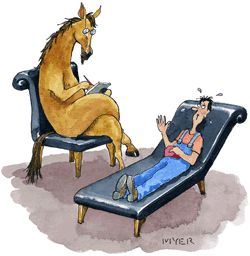
I began this inquiry by exploring what Equine Assisted Learning (EAL) actually is and how it differs from other equine-assisted practices, particularly equine-assisted therapy. EAL is a guided, ground-based learning experience that uses interactions with horses to develop skills such as communication, confidence, and self-awareness. Through resources such as Spur Valley Horses and EAL Canada, I learned more about the principles and standards that help guide authentic EAL programs. I also reflected on my own connection with horses and how being around animals has always provided me with a sense of peace and fulfillment. This initial exploration helped establish the foundation for the rest of my inquiry and gave me a better understanding of the many ways horses can support healing, learning, and personal growth.
Addiction and Substance Abuse
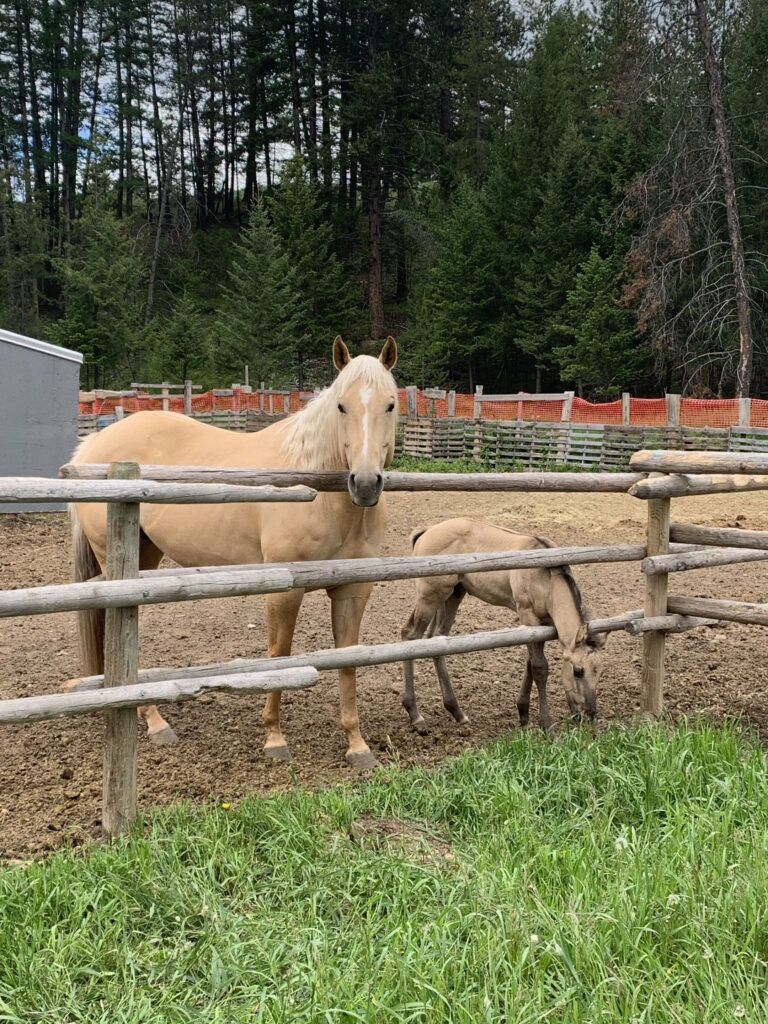
My first area of focus was how EAL can support individuals experiencing addiction and substance abuse. Across the resources I explored, a common theme was the non-judgmental connection horses can offer to individuals who may be accustomed to experiencing judgment from others. Through caring for horses, participating in activities, and building relationships with them, individuals can practice responsibility, patience, honesty, and healthy boundaries. I also found it interesting how these experiences can help rebuild trust in oneself and develop a sense of purpose. The research by Holtcamp et al. (2023) provided further support for the potential benefits of equine-assisted programs, particularly in creating emotional safety and supporting learning. Overall, I learned that EAL is not a replacement for traditional addiction treatment, but it can offer a valuable complementary approach by providing opportunities to develop skills and connections that support recovery.
Autism and ADHD
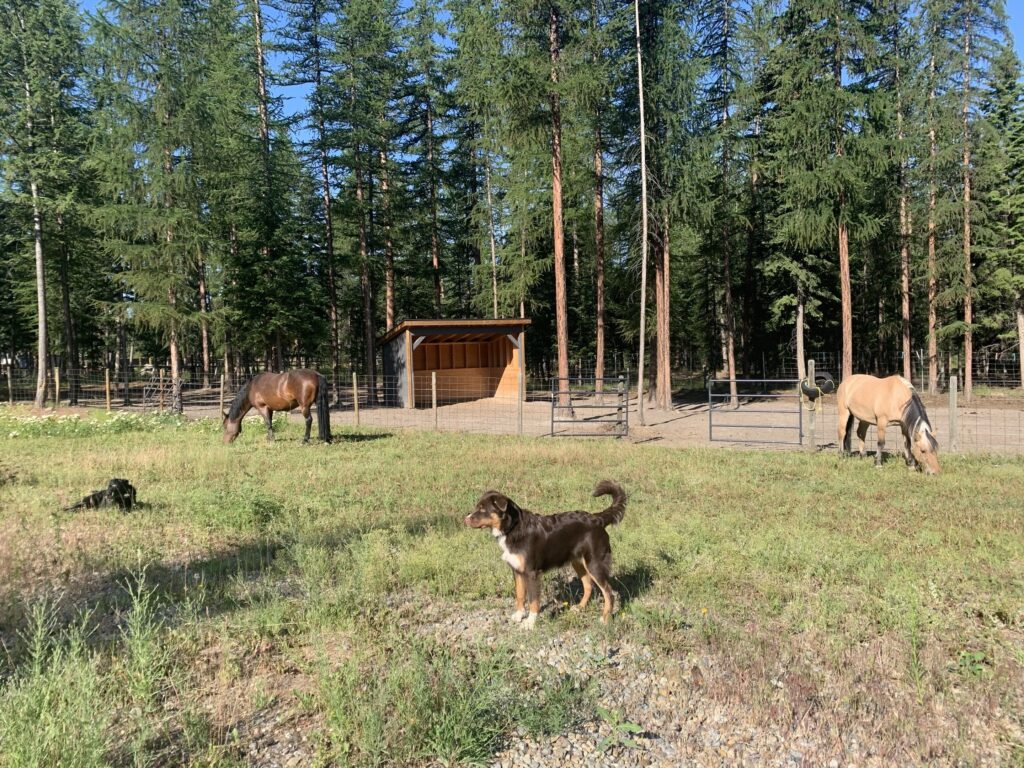
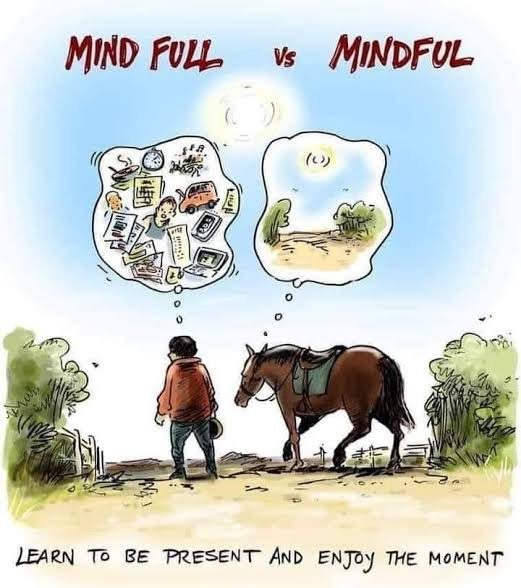
Next, I explored how EAL may support individuals with Autism Spectrum Disorder (ASD) and Attention-Deficit/Hyperactivity Disorder (ADHD). I found that many of the activities used in EAL encourage participants to become more aware of their surroundings, body language, emotions, and communication with others. Activities such as grooming, obstacle courses, and working together to guide a horse can provide opportunities to practice focus, trust, problem-solving, and verbal and non-verbal communication. Research also identified promising benefits related to attention, social interaction, behaviour, and self-esteem, although more research is needed to understand the effectiveness of these approaches. This topic was particularly meaningful to me because I have always found animals, especially horses, to offer a peaceful and accepting environment where I can feel comfortable being myself. It also made me think about how valuable these types of experiences could be for students who may find traditional classroom environments challenging.
Anxiety and Depression
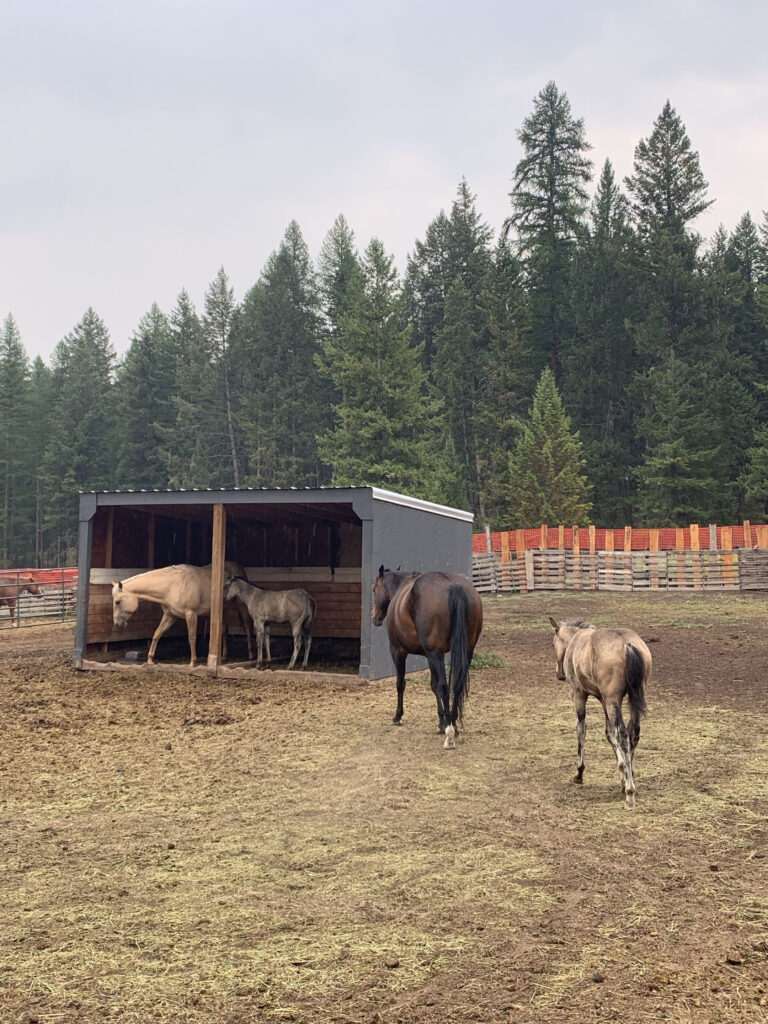
My next post focused on the potential benefits of EAL for individuals experiencing anxiety, depression, and other mental health challenges. One of the biggest takeaways for me was the connection between horses and feelings of hope, calm, and emotional well-being. Frederick et al. (2015) found that even a five-week EAL intervention had a positive impact on at-risk adolescents, with increased hope and decreased depression. I was particularly interested in the idea of hope, as it is not something I would have necessarily thought about as a direct outcome of spending time with horses. I also explored the possible physiological benefits of equine interactions, including changes in stress and relaxation responses. Finally, the personal story of a young girl experiencing severe anxiety showed how spending time outdoors with horses can provide a sense of freedom and comfort without the same pressures she experienced at school. These resources helped me recognize that the benefits of EAL can extend beyond emotional learning and may also support individuals’ overall well-being.
Grief and Trauma
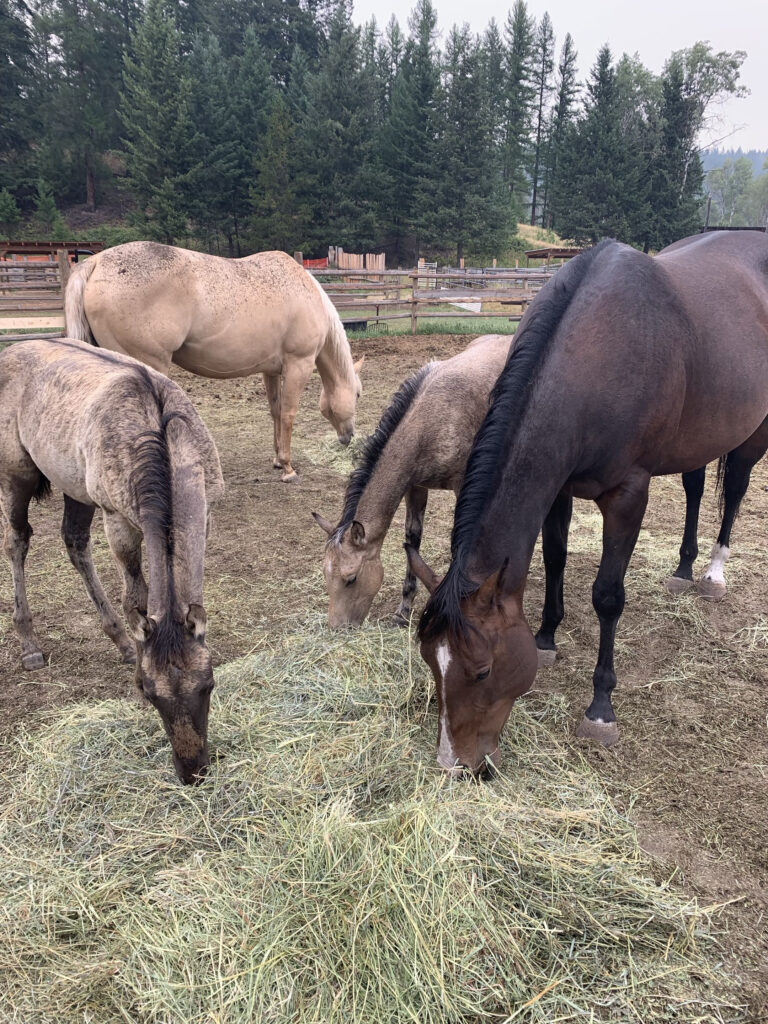
For my fifth post, I explored how horses can support individuals navigating grief and trauma. Something that stood out to me across these resources was a horse’s ability to provide connection without requiring verbal communication or an explanation of how someone is feeling. Whether through simple presence, grooming, training, or playing together, horses can offer companionship and a sense of safety during difficult experiences. I found the personal story of a mother grieving the loss of her daughter particularly moving, as it demonstrated how a seemingly small interaction with a horse could have such a meaningful impact. I also explored how EAL programs can support children who have experienced trauma, including the importance of involving their families in the process. Hopson et al. (2025) highlighted improvements in areas such as family functioning, parenting knowledge, and children’s emotional and behavioural challenges following their program. This helped me understand that supporting someone through trauma often means looking beyond the individual and recognizing the importance of their wider support system.
Confidence and Identity
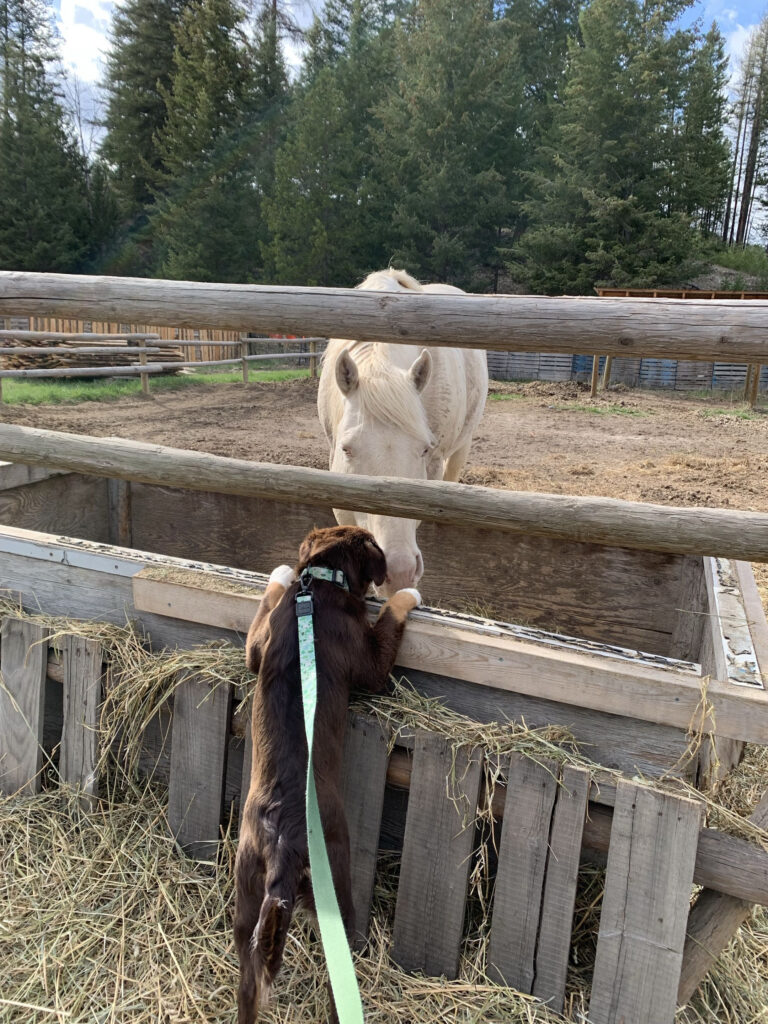
My final area of focus was confidence and identity, particularly how EAL can help individuals better understand themselves and their relationships with others. I explored how interactions with horses can encourage authenticity, self-awareness, communication, leadership, emotional regulation, and empathy. One idea that continues to stand out to me is how horses respond to our body language and actions, providing feedback that can encourage us to reflect on how we are feeling and presenting ourselves. I also found it interesting to see research exploring these benefits in young adults, with Sivagurunathan and Sivagurunathan (2026) identifying opportunities for emotional learning, interpersonal engagement, and transferring skills into everyday life. Across these resources, I recognized how developing a stronger understanding of ourselves and our abilities can contribute to confidence and a stronger sense of identity. It also reinforced that the skills developed through EAL are not limited to the time spent with horses, but can carry into our relationships, education, and everyday challenges.
Final Reflections and Practical Applications
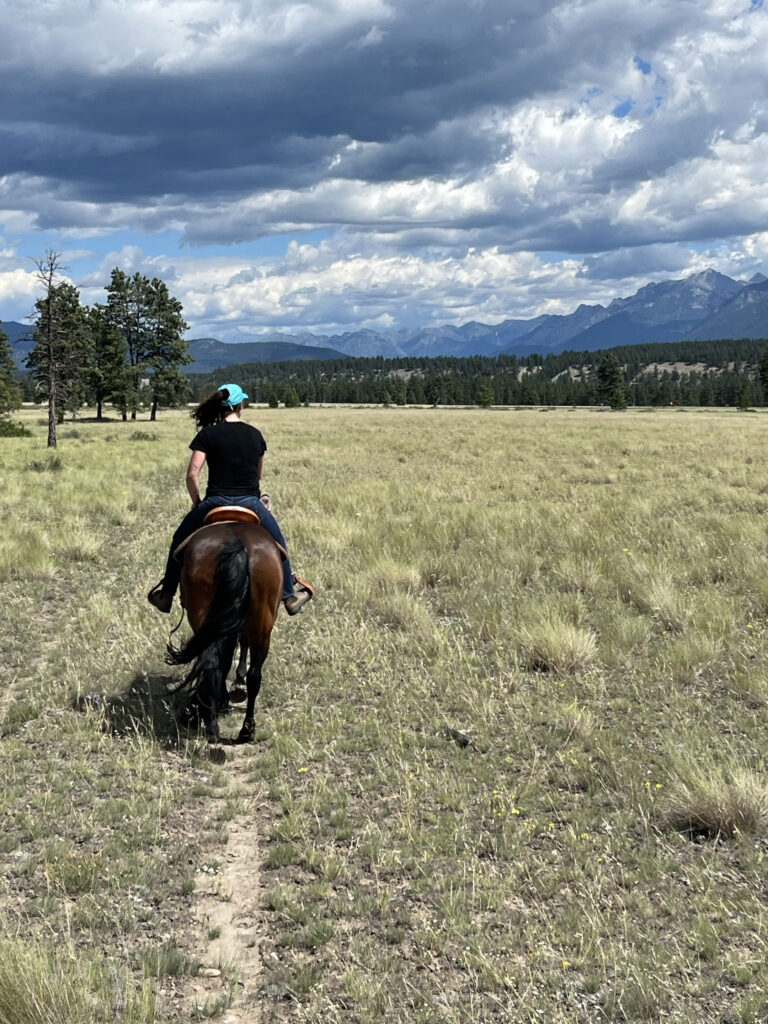
Looking back across all six posts, I have developed a much deeper appreciation for the many ways EAL can support individuals through different stages and challenges in life. Although each topic focused on a different area, several common themes continued to appear throughout my research. Horses can provide a judgement-free environment where individuals have opportunities to build trust, practice communication, develop emotional regulation, recognize their strengths, and strengthen their relationships with others. I think one of the most important takeaways is that these benefits are not limited to one particular group or challenge. EAL can offer meaningful learning experiences for children, young adults, families, and individuals navigating difficult circumstances. From a future teaching perspective, I can see how some of these approaches could be valuable in supporting students’ social-emotional learning, particularly those who may benefit from alternative learning environments or more hands-on experiences. Activities involving horses could provide opportunities to practice patience, responsibility, communication, problem-solving, and self-awareness in ways that may be difficult to replicate in a traditional classroom. Of course, EAL is not a replacement for professional medical, mental health, or educational support, and programs need to be accessible, appropriately structured, and responsive to individual needs. Moving forward, I would love to continue learning through my friends and their horses and continue my connection with Rae-Lyn at Spur Valley Horses and gain more firsthand experience with EAL. This inquiry has reinforced something I have felt for a long time but could never put into words: there is so much we can learn from animals, and sometimes the most meaningful connections happen without saying a single word. I am excited to continue exploring how we can bring these opportunities to more people and make use of the incredible relationships we can build with horses.
Thank you for following along on this learning journey!
Leave a Reply
You must be logged in to post a comment.