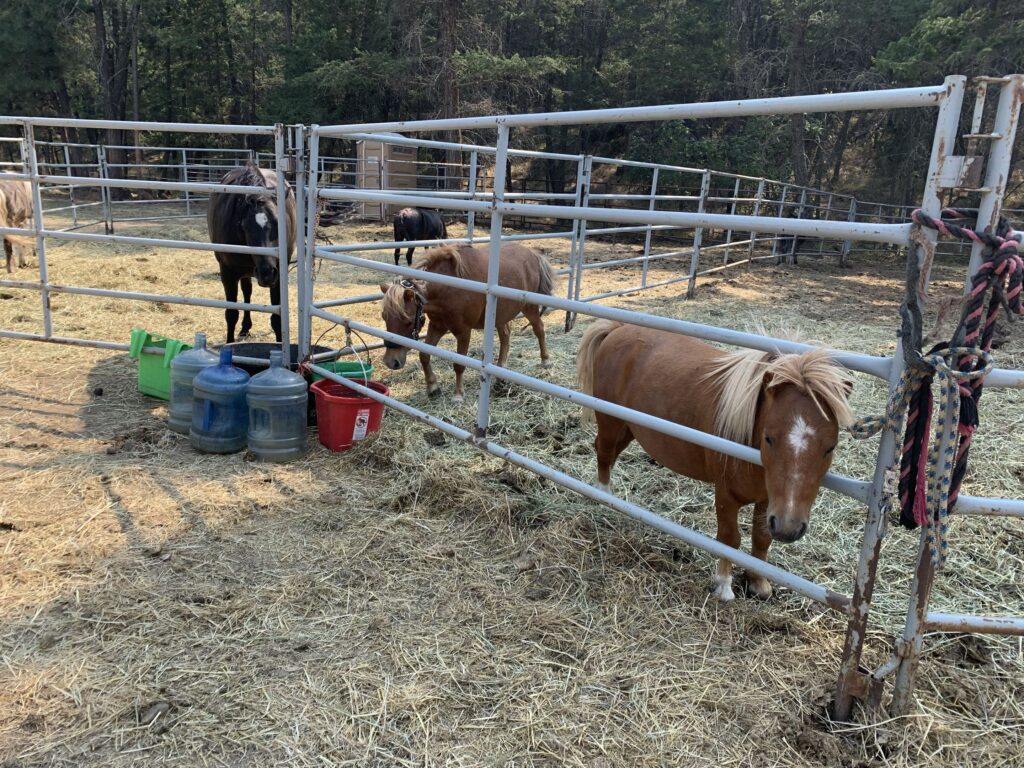
This post will focus on how EAL can be used as a form of treatment and recovery for those struggling with and overcoming addiction and substance abuse. Through the use of Spur Valley Horses and Rae-Lyn, a simple YouTube video, and an academic research article, I will look into how EAL specifically impacts those facing these challenges.
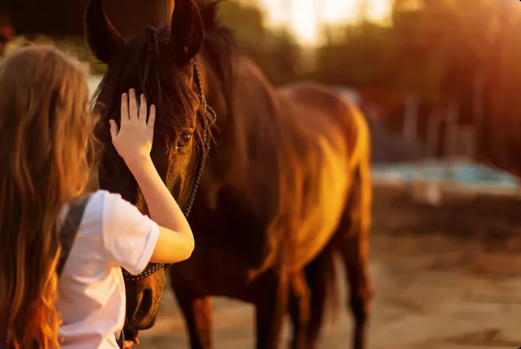
The horses at Spur Valley’s EAL program offer support through presence without judgment and respond to honesty, consistency, patience, and responsibility, which are the same foundations recovery is built upon (Spur Valley Horses, 2026). While individuals work alongside horses through games, simple training, and passive presence, they are able to rebuild trust in themselves as the horse learns to trust them. Healthy boundaries can also be established and maintained between the horse and the individual. Individuals can also rediscover a sense of purpose through the care of the horses, their environment, and what they are able to accomplish during their sessions. By visiting the ranch and committing to the EAL program with Rae-Lyn, individuals can take the first steps toward long-term recovery through its routine, emphasis on accountability, and the connections they are bound to make.
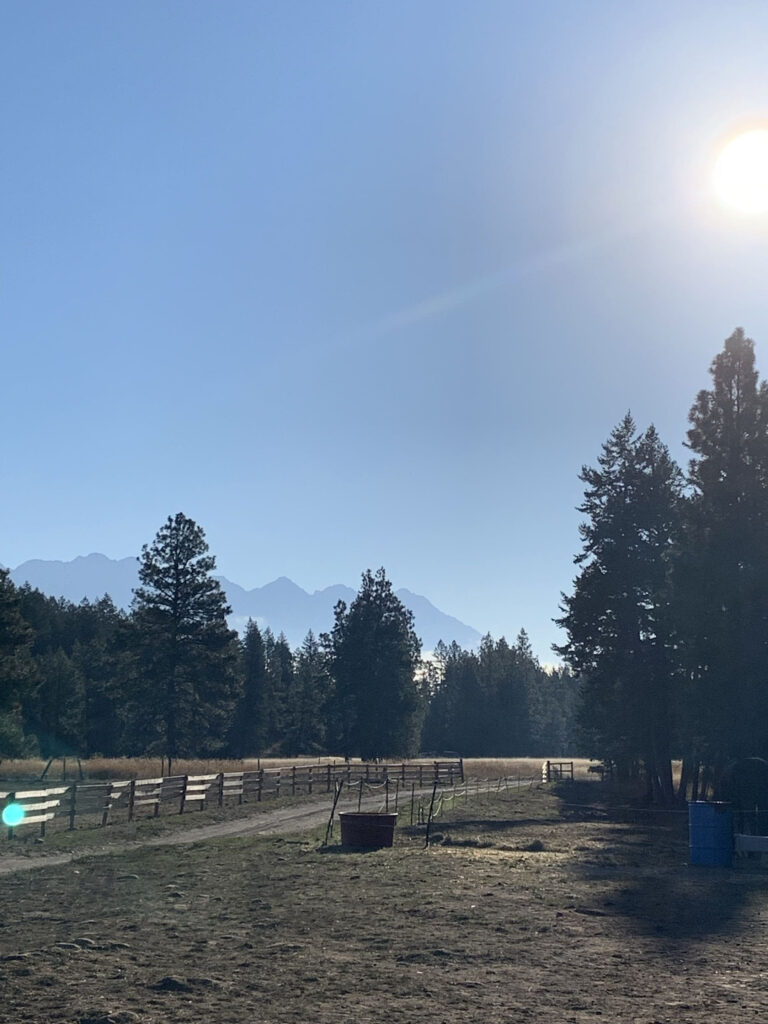
As put by Cody Regional Health, “horses have a way of helping us all lower walls we’ve built up over time.” This short video provides a glimpse into what EAL may look like for someone struggling with addiction and substance abuse. Michelle Brenner, the case manager of the program, explains that horses offer judgment-free and authentic company for individuals who often face extreme judgment because of their challenges. The horses can mirror emotions and feed off of energy, allowing individuals to see their inner feelings from an external perspective and make these emotions more tangible to work through. According to Adam McClure, an EAL client at Cody Regional Health, this program is a tool that not only offers a one-on-one experience, but can also open up something spiritually within and provide a sense of release. He explains that spending time with these “awesome animals and playing games” has helped him “open up and be more loving” and has lifted a weight off his shoulders that he recognized but didn’t know how to get rid of. Watch the video below!
The final source I review is “Equine assisted psychotherapy and learning as an effective complementary form of substance use disorder treatment for college-age young adults in a residential treatment program” by Holtcamp et al. in the “Journal of Equine Veterinary Science.” This study reviewed the efficacy of equine assisted psychotherapy and learning (EAPL) in young adults aged 18–25 years within a residential treatment program. Overall, total scores for emotional safety, equine knowledge, and physical skills showed significant improvement. The results suggest that EAPL can be an “effectual complementary form of SUD therapy for developing an emotional safety environment for learning” (Holtcamp et al., 2023).
Together, these sources demonstrate how EAL can provide a unique form of support for individuals working through addiction and substance abuse. While it should not replace traditional treatment, EAL can complement existing approaches by providing opportunities to build trust, develop healthy boundaries, practice responsibility, and reconnect with a sense of purpose. What stood out to me most was the way horses can provide a form of connection without the judgment that individuals struggling with addiction may be accustomed to experiencing. Whether through caring for a horse, learning to communicate with it, or simply spending time in its presence, EAL creates opportunities for individuals to work through emotions and challenges in a different way. The research also provides support for these experiences, showing that the benefits of EAL extend beyond personal stories and can contribute to measurable improvements in emotional safety and learning. Overall, EAL appears to be a meaningful complementary tool that can help individuals take steps toward recovery while developing skills and connections that can support them beyond the ranch.