It is important to consider the authors and perspectives represented in our book collections, especially as educators. Roxanne Harde emphasizes in “Putting First Nations Texts at the Center” (2016) that children should have access to authentic Indigenous texts written by Indigenous authors. These texts should be meaningfully integrated into learning. Similarly, Rudine Sims Bishop’s idea of literature as “mirrors, windows, and sliding glass doors” reminds us that students benefit from seeing themselves reflected in books while also learning about others’ experiences. I will go through some picture books I would include in a Grade 1/2 classroom library to support inclusion, empathy, social-emotional learning, and Indigenous texts.
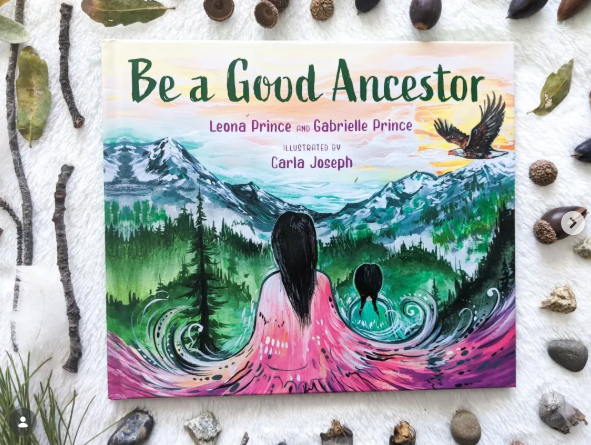
Be a Good Ancestor – Leona Prince and Gabrielle Prince
This book encourages children to think about the long-term impact of their choices on the planet. Centering Indigenous perspectives on environmental stewardship, it can spark themes about sustainability, responsibility, and connection to the land.
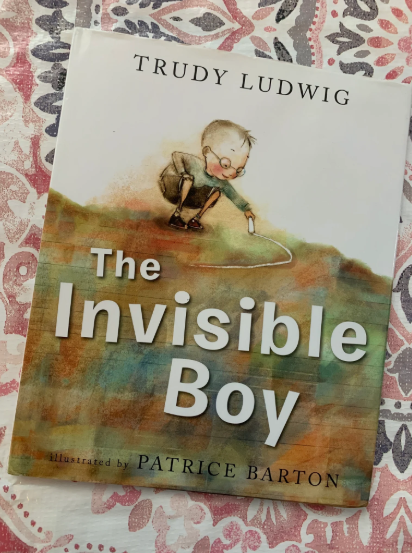
The Invisible Boy – Trudy Ludwig
This story explores feelings of exclusion and belonging through a quiet student who feels unseen. It encourages empathy, friendship, and noticing others, making it ideal for early primary social-emotional learning.
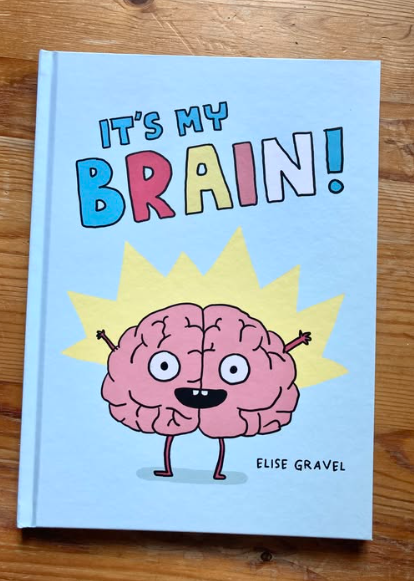
It’s My Brain! – Elise Gravel
This playful book introduces neurodiversity in a clear and affirming way. It helps students understand and celebrate differences in how people think and learn, supporting inclusive classroom conversations and self-acceptance.
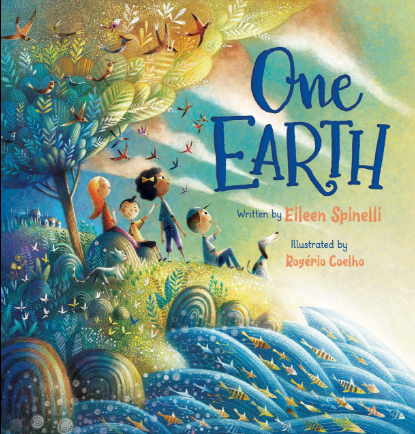
One Earth – Elleen Spinelli
Through simple text and illustrations, this book teaches young readers about taking care of the Earth and their communities. It connects environmental awareness with personal responsibility, making it a natural complement to both science and social-emotional learning.
Including these texts in a Grade 1/2 classroom provides mirrors for self-reflection, windows into others’ experiences, and sliding glass doors to new perspectives. As Roxanne Harde points out, when evaluating resources, it is important to move beyond books that “stereotype, moralize, generalize, and objectify—to write about a nation, a people, instead of about a child,” and instead prioritize texts that represent all children as individuals. Selecting books like Be a Good Ancestor, The Invisible Boy, It’s My Brain!, and One Earth allows students to engage with authentic voices and meaningful stories while fostering empathy, inclusion, and respect for diversity from an early age.