Welcome to my learning portfolio where I tell you a little about me and accumulate experiences and learnings over the course of EDCI 402 and EDCI 336.

Category: Free Inquiry

This is the category to apply to your Free Inquiry posts.

EAL Inquiry Post #7 – Summary

Please find a spoken summary here. This video was created by me with the use of DiscoverTheHorse’s video for background visuals and music: https://www.youtube.com/watch?v=bHiZjBCnGbM

What is Equine Assisted Learning?
I began this inquiry by exploring what Equine Assisted Learning (EAL) actually is and how it differs from other equine-assisted practices, particularly equine-assisted therapy. EAL is a guided, ground-based learning experience that uses interactions with horses to develop skills such as communication, confidence, and self-awareness. Through resources such as Spur Valley Horses and EAL Canada, I learned more about the principles and standards that help guide authentic EAL programs. I also reflected on my own connection with horses and how being around animals has always provided me with a sense of peace and fulfillment. This initial exploration helped establish the foundation for the rest of my inquiry and gave me a better understanding of the many ways horses can support healing, learning, and personal growth.
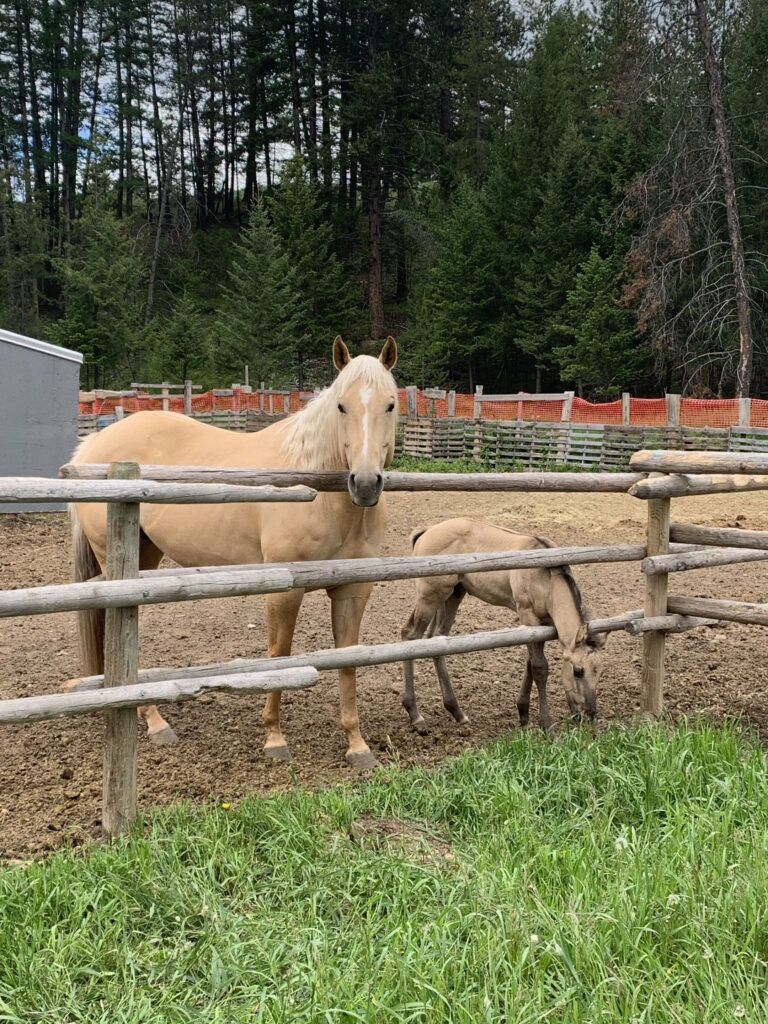
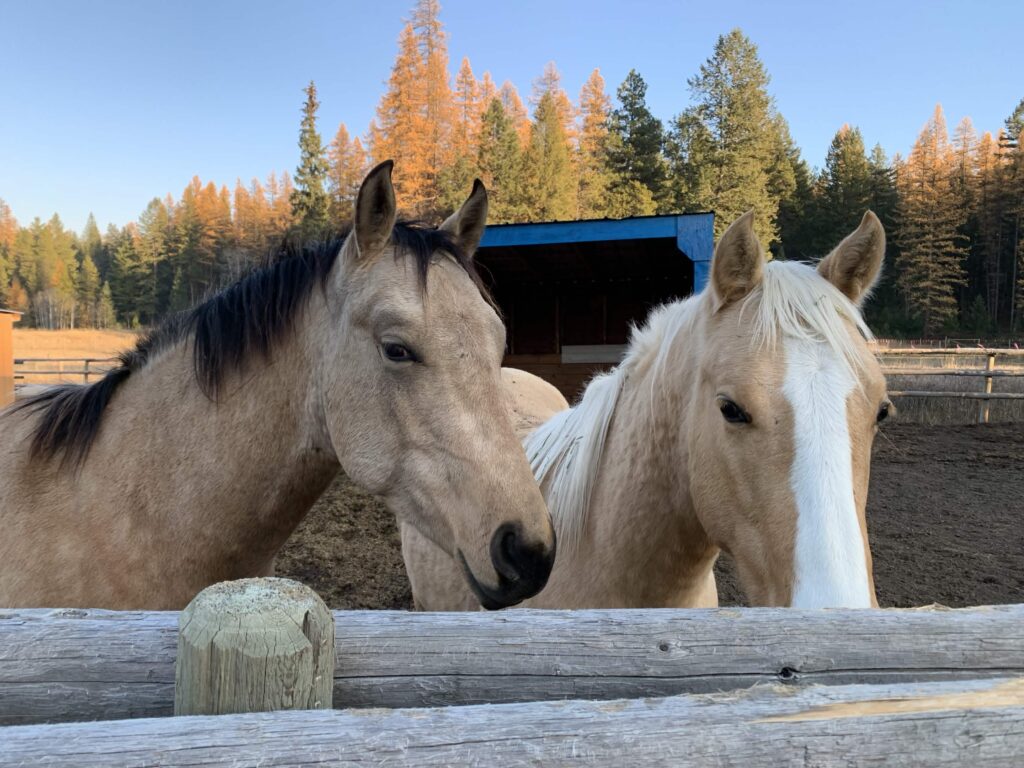
Picture by me of a friend’s horses Monkey (left) and Zion (right) from June 2026

Addiction and Substance Abuse
My first area of focus was how EAL can support individuals experiencing addiction and substance abuse. Across the resources I explored, a common theme was the non-judgmental connection horses can offer to individuals who may be accustomed to experiencing judgment from others. Through caring for horses, participating in activities, and building relationships with them, individuals can practice responsibility, patience, honesty, and healthy boundaries. I also found it interesting how these experiences can help rebuild trust in oneself and develop a sense of purpose. The research by Holtcamp et al. (2023) provided further support for the potential benefits of equine-assisted programs, particularly in creating emotional safety and supporting learning. Overall, I learned that EAL is not a replacement for traditional addiction treatment, but it can offer a valuable complementary approach by providing opportunities to develop skills and connections that support recovery.
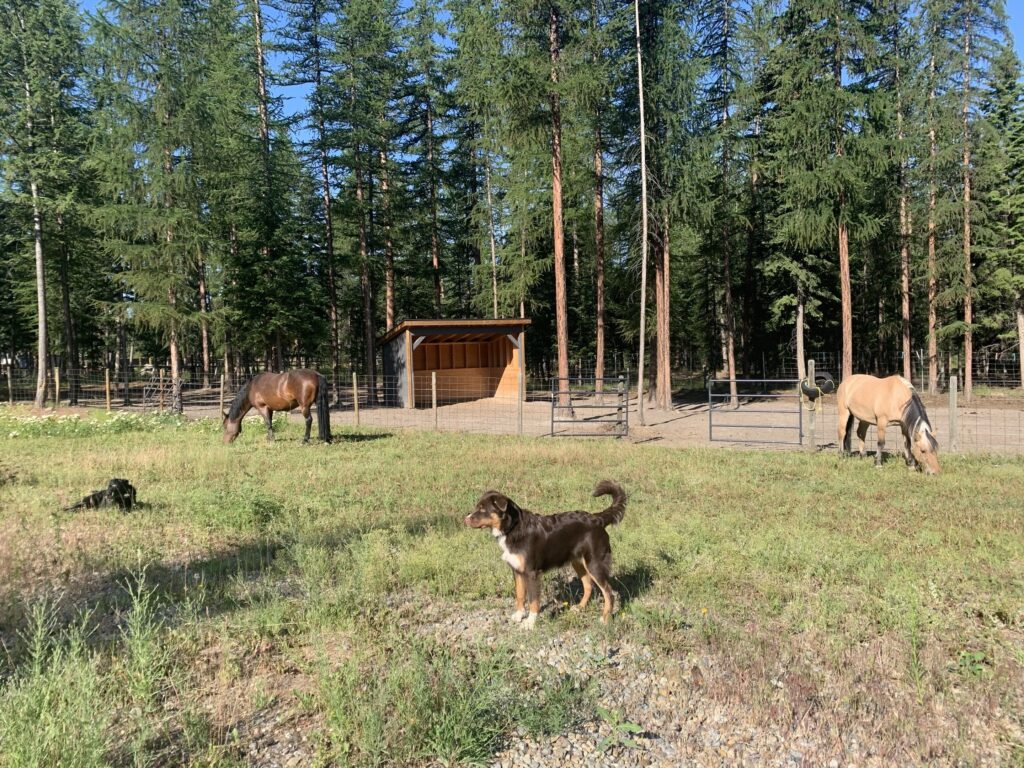
Picture by me of my dogs Cypress (left) and Cedar (right) with another friend’s horses Shadow (left) and Fidget (right)

Autism and ADHD
Next, I explored how EAL may support individuals with Autism Spectrum Disorder (ASD) and Attention-Deficit/Hyperactivity Disorder (ADHD). I found that many of the activities used in EAL encourage participants to become more aware of their surroundings, body language, emotions, and communication with others. Activities such as grooming, obstacle courses, and working together to guide a horse can provide opportunities to practice focus, trust, problem-solving, and verbal and non-verbal communication. Research also identified promising benefits related to attention, social interaction, behaviour, and self-esteem, although more research is needed to understand the effectiveness of these approaches. This topic was particularly meaningful to me because I have always found animals, especially horses, to offer a peaceful and accepting environment where I can feel comfortable being myself. It also made me think about how valuable these types of experiences could be for students who may find traditional classroom environments challenging.
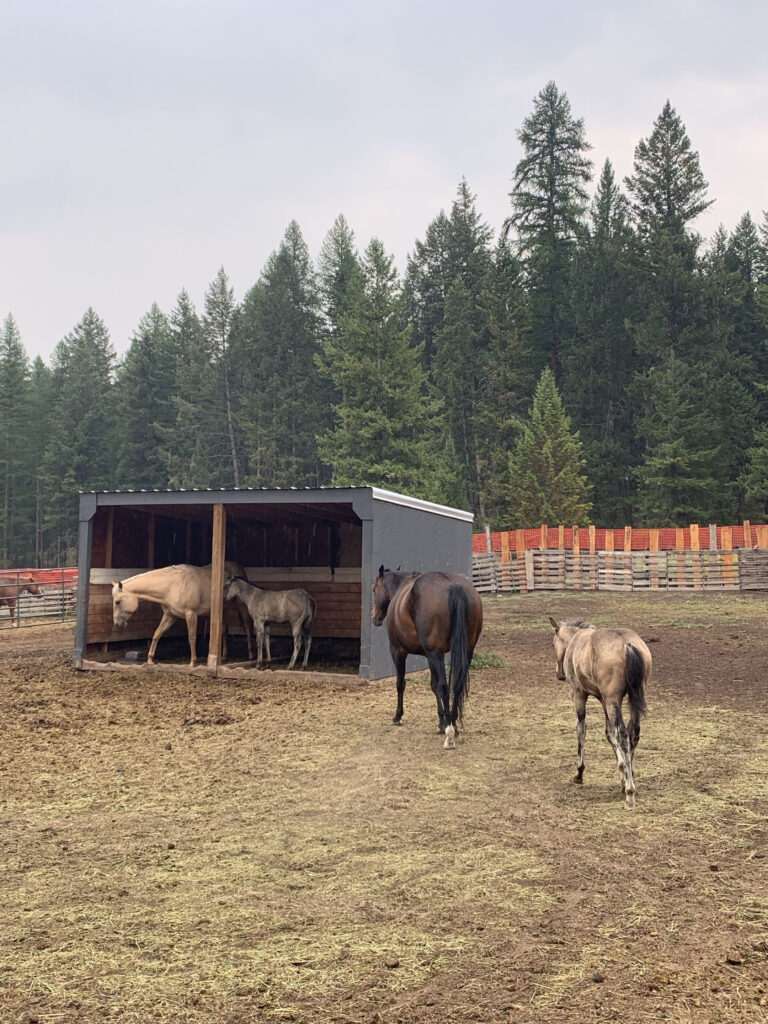
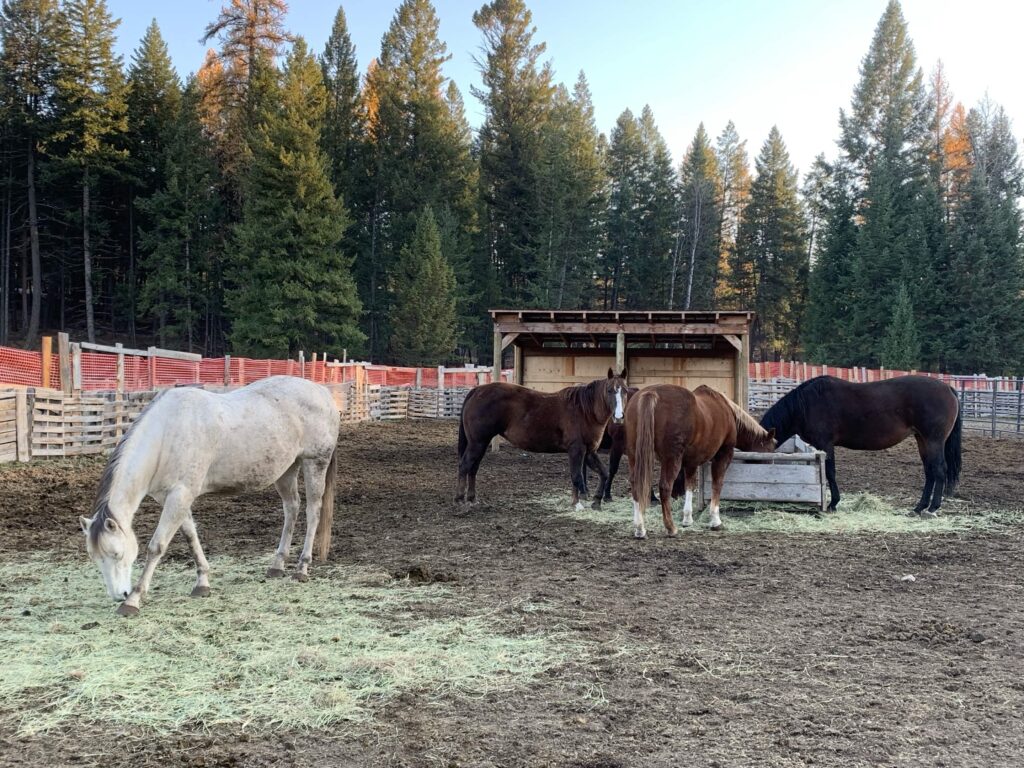
Photo by me of a friend’s horses (from left to right) Money, Zion, Piper, and Turk

Anxiety and Depression
My next post focused on the potential benefits of EAL for individuals experiencing anxiety, depression, and other mental health challenges. One of the biggest takeaways for me was the connection between horses and feelings of hope, calm, and emotional well-being. Frederick et al. (2015) found that even a five-week EAL intervention had a positive impact on at-risk adolescents, with increased hope and decreased depression. I was particularly interested in the idea of hope, as it is not something I would have necessarily thought about as a direct outcome of spending time with horses. I also explored the possible physiological benefits of equine interactions, including changes in stress and relaxation responses. Finally, the personal story of a young girl experiencing severe anxiety showed how spending time outdoors with horses can provide a sense of freedom and comfort without the same pressures she experienced at school. These resources helped me recognize that the benefits of EAL can extend beyond emotional learning and may also support individuals’ overall well-being.
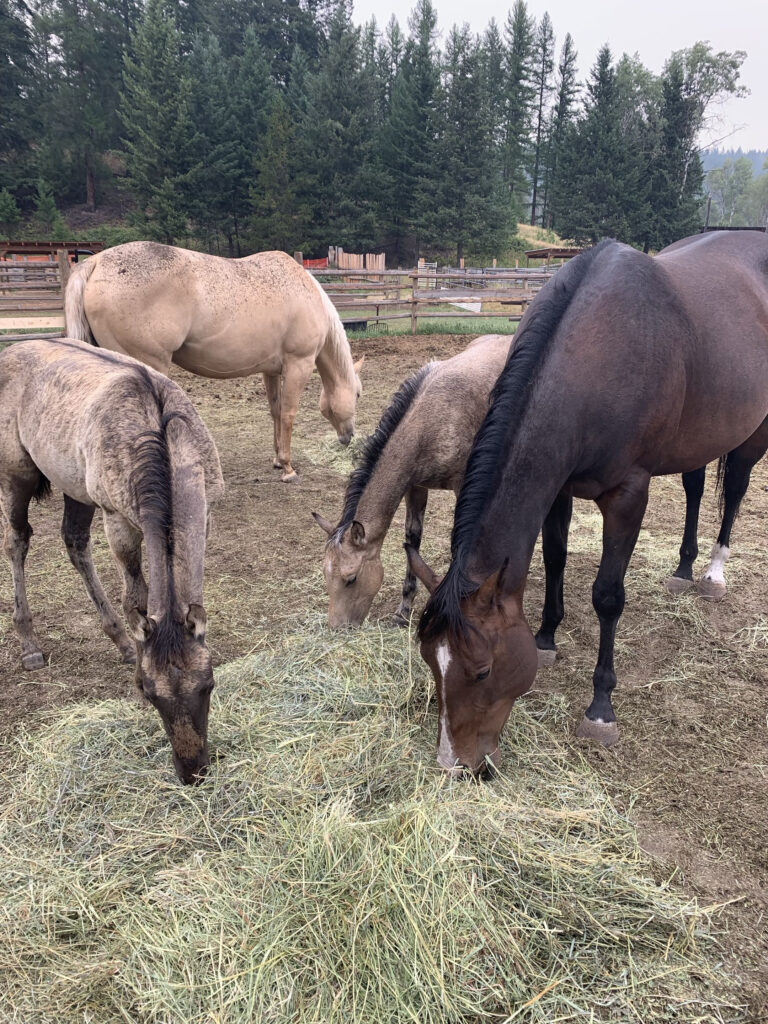
Photo by me of friend’s horses (left to right) Zion, Monkey, Turk, and Piper

Grief and Trauma
For my fifth post, I explored how horses can support individuals navigating grief and trauma. Something that stood out to me across these resources was a horse’s ability to provide connection without requiring verbal communication or an explanation of how someone is feeling. Whether through simple presence, grooming, training, or playing together, horses can offer companionship and a sense of safety during difficult experiences. I found the personal story of a mother grieving the loss of her daughter particularly moving, as it demonstrated how a seemingly small interaction with a horse could have such a meaningful impact. I also explored how EAL programs can support children who have experienced trauma, including the importance of involving their families in the process. Hopson et al. (2025) highlighted improvements in areas such as family functioning, parenting knowledge, and children’s emotional and behavioural challenges following their program. This helped me understand that supporting someone through trauma often means looking beyond the individual and recognizing the importance of their wider support system.
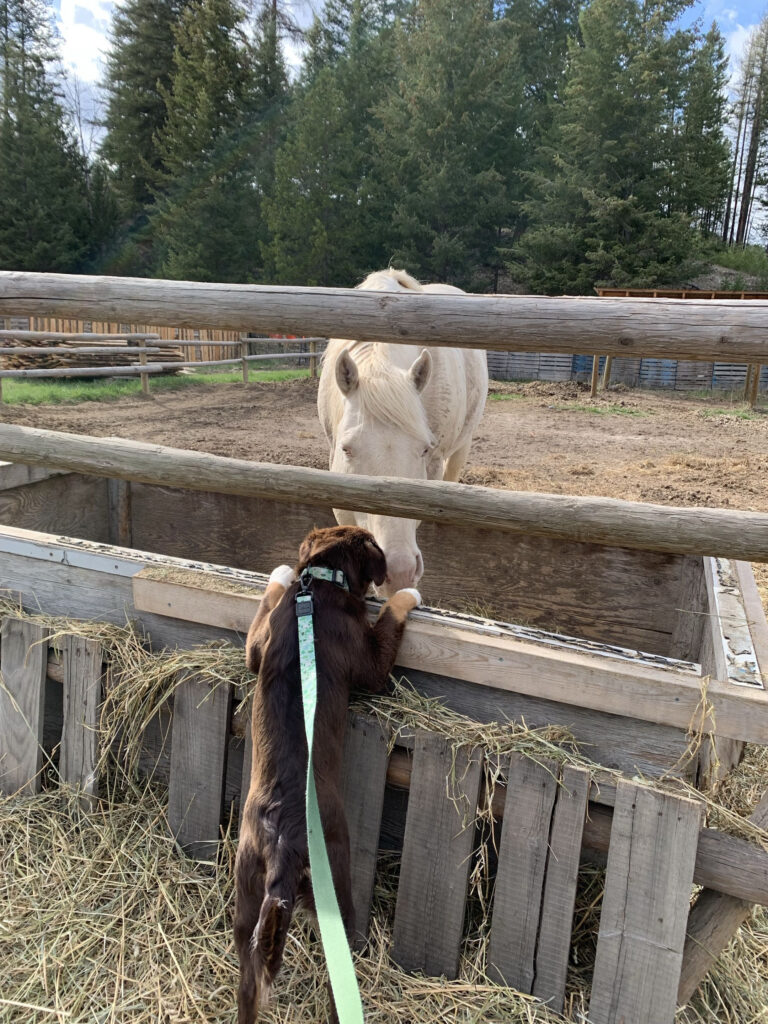
Photo by me of my puppy Cedar with my friend’s horse Quinn

Confidence and Identity
My final area of focus was confidence and identity, particularly how EAL can help individuals better understand themselves and their relationships with others. I explored how interactions with horses can encourage authenticity, self-awareness, communication, leadership, emotional regulation, and empathy. One idea that continues to stand out to me is how horses respond to our body language and actions, providing feedback that can encourage us to reflect on how we are feeling and presenting ourselves. I also found it interesting to see research exploring these benefits in young adults, with Sivagurunathan and Sivagurunathan (2026) identifying opportunities for emotional learning, interpersonal engagement, and transferring skills into everyday life. Across these resources, I recognized how developing a stronger understanding of ourselves and our abilities can contribute to confidence and a stronger sense of identity. It also reinforced that the skills developed through EAL are not limited to the time spent with horses, but can carry into our relationships, education, and everyday challenges.
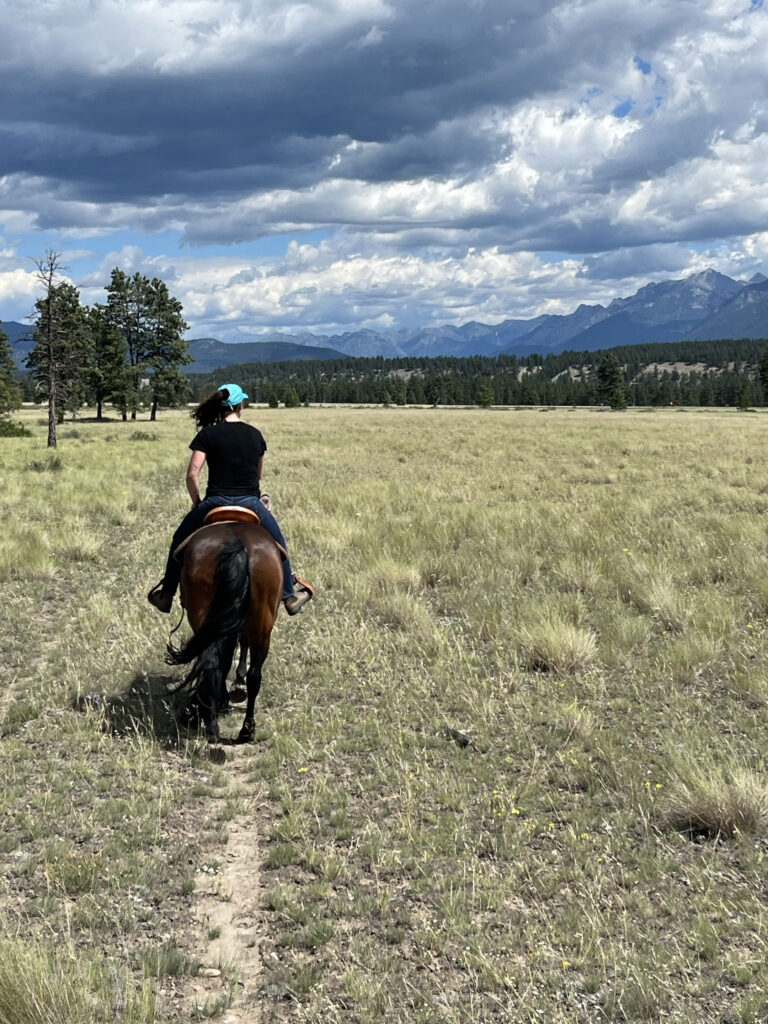
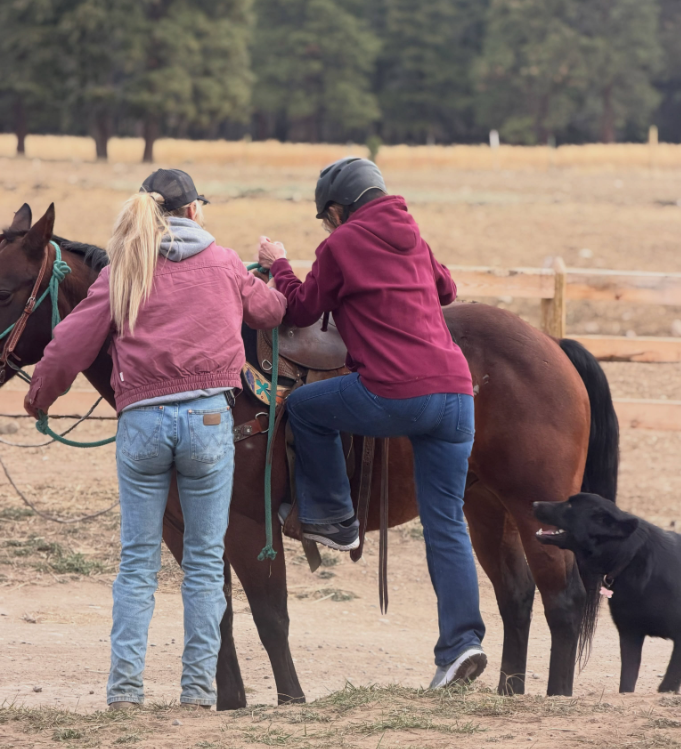
Photo by a friend of me riding her horse Shadow at Skookumchuk

Final Reflections and Practical Applications
Looking back across all six posts, I have developed a much deeper appreciation for the many ways EAL can support individuals through different stages and challenges in life. Although each topic focused on a different area, several common themes continued to appear throughout my research. Horses can provide a judgement-free environment where individuals have opportunities to build trust, practice communication, develop emotional regulation, recognize their strengths, and strengthen their relationships with others. I think one of the most important takeaways is that these benefits are not limited to one particular group or challenge. EAL can offer meaningful learning experiences for children, young adults, families, and individuals navigating difficult circumstances. From a future teaching perspective, I can see how some of these approaches could be valuable in supporting students’ social-emotional learning, particularly those who may benefit from alternative learning environments or more hands-on experiences. Activities involving horses could provide opportunities to practice patience, responsibility, communication, problem-solving, and self-awareness in ways that may be difficult to replicate in a traditional classroom. Of course, EAL is not a replacement for professional medical, mental health, or educational support, and programs need to be accessible, appropriately structured, and responsive to individual needs. Moving forward, I would love to continue learning through my friends and their horses and continue my connection with Rae-Lyn at Spur Valley Horses and gain more firsthand experience with EAL. This inquiry has reinforced something I have felt for a long time but could never put into words: there is so much we can learn from animals, and sometimes the most meaningful connections happen without saying a single word. I am excited to continue exploring how we can bring these opportunities to more people and make use of the incredible relationships we can build with horses.

Thank you for following along on this learning journey!
EAL Inquiry Post #6 – Confidence and Identity

Photo by me at a friend’s farm including her stallion Quinn

The last topic of EAL I want to cover involves confidence and self-identity. I have found three resources to help guide my learning through this subject. The first video is a TEDx Talk by Dr. Vallerie Coleman called Finding our authentic self with the help of horses, the second resource is an article titled 9 Ways Equine Assisted Learning Can Benefit Your Confidence, Relationships & Career by Liz Haas on the recovery resources website. Finally, I have found an article from Journal of Adolescent Health by R & L Sivagurunathan titled Equine-Assisted Learning and Social–Emotional Competence in Higher Education: An Exploratory Study of Emerging Adults’ Experiences. Using my previous learning, I can see how EAL just might help in these areas, but I want to explore a more focused view into these subjects.

This TEDx Talk explores the importance of authenticity and how suppressing our true selves can affect both our mental and physical well-being. Dr. Coleman discusses how we often fall into habits of hiding our emotions or giving automatic responses like “I’m fine,” even when that isn’t how we truly feel. I like how she describes horses as “truth-tellers” because of their sensitivity to our emotions and physical states. Horses can recognize when our outward behaviour doesn’t match what we’re feeling internally, encouraging us to become more aware of ourselves and our emotions. Through equine-assisted psychotherapy, horses can help individuals recognize these inconsistencies and reconnect with their authentic selves. I think this has a really interesting connection to confidence and identity, as understanding and accepting who we are is such an important part of building confidence. It also makes me think about how often we hide parts of ourselves to meet the expectations of others, rather than feeling comfortable being who we truly are. Although this talk again focuses on equine-assisted psychotherapy rather than EAL, I think it offers some valuable insight into how horses can help us develop self-awareness and a stronger sense of identity.

9 Ways Equine Assisted Learning Can Benefit Your Confidence, Relationships & Career looks at nine different ways EAL can help build confidence and develop skills that can be used in everyday life. Some of the main areas it focuses on include self-awareness, communication, leadership, emotional regulation, empathy, problem-solving, and interpersonal skills. I found it interesting how many of these skills can be developed through something as simple as interacting with a horse. For example, horses respond to our body language and actions, giving us immediate feedback and encouraging us to think about how we communicate and approach different situations. Participants can practice setting boundaries, making decisions, and trying different solutions in a judgement-free environment, which can help build confidence over time. I especially like the connection between developing these skills with horses and applying them to relationships outside of the arena, whether that is with family, friends, or coworkers. I think this is a great example of how EAL can support confidence and identity by helping individuals better understand themselves, recognize their strengths, and feel more capable when facing challenges. It also highlights that the benefits of EAL can extend well beyond the time spent with the horses.

Finally, Equine-Assisted Learning and Social–Emotional Competence in Higher Education: An Exploratory Study of Emerging Adults’ Experiences by Rubentheran Sivagurunathan and Linkesvaran Sivagurunathan investigates how EAL may support social-emotional development in emerging adults, an area that I think is especially relevant to confidence and identity. The study followed 15 undergraduate students between the ages of 18 and 24 who participated in an eight-week EAL program at a private university in Malaysia. Through interviews, the researchers identified three main themes: emotional learning through interactions with horses, interpersonal engagement through shared activities, and the ability to transfer what was learned into everyday life. Participants described opportunities to develop emotional awareness and regulation, empathy, patience, communication, teamwork, and trust. I found the final theme particularly interesting because it highlights how the skills developed through EAL can extend beyond the time spent with horses and influence how individuals approach their everyday relationships and challenges. I think this connects strongly to building confidence and identity, as becoming more aware of our emotions, strengths, and interactions with others can help us develop a better understanding of ourselves. It is also encouraging to see research exploring these benefits with young adults, rather than focusing only on children. Although this was a small exploratory study and more research is needed, it provides an interesting look at the potential of EAL to support social-emotional learning in higher education.

Photo by me of a friend’s horses JP and Reno

Looking at these resources has given me a better idea of how EAL can support individuals in developing confidence, self-awareness, and a stronger sense of identity. A common theme stood out to me again across these resources; how horses can encourage us to be more aware of our emotions, behaviours, and how we interact with others. Whether it is learning to communicate, setting boundaries, building trust, or recognizing our own strengths, these experiences can help individuals develop skills that carry into their everyday lives. I also found it interesting to see how these benefits apply across different age groups and settings, from children and families to young adults and the workplace. I think confidence and identity are closely connected, and having opportunities to better understand ourselves in a supportive environment can make a real difference. Overall, these resources have reinforced for me that EAL is about much more than learning to work with horses. It can also be an opportunity to work with ourselves and strengthen how we show up in the world.

Sivagurunathan, R., & Sivagurunathan, L. (2026). Equine-assisted learning and social–emotional competence in higher education: An exploratory study of emerging adults’ experiences. Journal of Adolescent Health. https://doi.org/10.1016/j.jadohealth.2026.08.010

EAL Inquiry Post #5 – Grief and Trauma

Content warning: Topics of grief, trauma, and suicide

Picture by me of a friend’s horses (from left to right) Lady, Cleo, Nova, and Willow

Grief and trauma are prevalent factors for individuals seeking help. This post will focus on the healing horses can provide from those facing these challenges and how just their presence can be enough. I have found two YouTube videos, one a personal story, and another looking into a horse program which offers services to help those experiencing grief, trauma, and so much more. In addition, I have found a short article on EAL and helping navigate grief and research journal article looking at EAL for children overcoming trauma. I believe these resources will offer a clear view into the power of healing through EAL and horses.

This video explores the story of a mother who lost her daughter to suicide. She was recommended to seek help through horses and came across one horse named Rebel. There were many times Rebel would move away when she approached him, seeming to avoid her touch. It reminded her of the physical and emotional distance from her daughter then and while she was still alive. However on one particularly difficult day, she was on the ground, sobbing, and he came over to standing above her, even pressing his head into her side until she settled. It seems he understood in that moment she needed connection and she says that was the first time she felt peace in years. She felt Rebel saw her and forgave her, connecting it to her daughter’s forgiveness. It helped her release the anger and pain she had been holding on to for so long. I found this personal story very emotional, and I was able to paint a vivid picture in my mind, understanding how this had impacted her. I find inspiration in this kind of story where something so simple from a horse can mean so much to someone struggling. It really makes me think horses have a keen understanding of their influence over us.

This video looks at the work of Ebony Horsewomen, an urban riding centre in Hartford, Connecticut, which uses horses to support individuals experiencing trauma, anxiety, and depression, particularly within urban and Black, Indigenous, and People of Color (BIPOC) communities. One thing I found particularly interesting is how horses are described as “natural soothers” due to their sensitivity to human emotions and energy. Through activities such as grooming, walking, and simply spending time with horses, individuals can experience relaxation, develop emotional regulation, and begin building trust. The horses also act as a bridge between clients and therapists, making it easier for individuals who may be withdrawn or anxious to engage in the therapeutic process. Although this video focuses on equine-assisted psychotherapy rather than EAL, I still think it offers some really valuable information and real-life examples of how horses can support individuals working through trauma and other mental health challenges. I particularly appreciate seeing how these practices are being used in an actual community setting and the accessibility they can provide to people who may otherwise struggle to access support.

Mindset: Navigating Grief and Loss with the Help of Horses by Laurie Higgins-Kerley on Brick&Elm is an article looking at how horses help in the navigation of grief and loss. It explores how horses can offer support by providing companionship, connection, and a non-judgmental presence. I think one of the most meaningful takeaways is how horses allow people to experience connection without needing to communicate verbally or explain their emotions, people can just feel what they’re feeling without being alone. Activities such as grooming, leading, and simply spending time with horses can provide opportunities for grounding, reflection, and rebuilding trust. This is particularly meaningful when considering how grief can make it difficult to connect with others or process emotions. I wish I had had this opportunity at the time of my family dog’s passing earlier this year. We had gotten him when I was 15 and his sudden death was extremely difficult for us. I was alone as my fiancé was away for work and even with the company of my two dogs, the especially calming presence of horses would have helped.

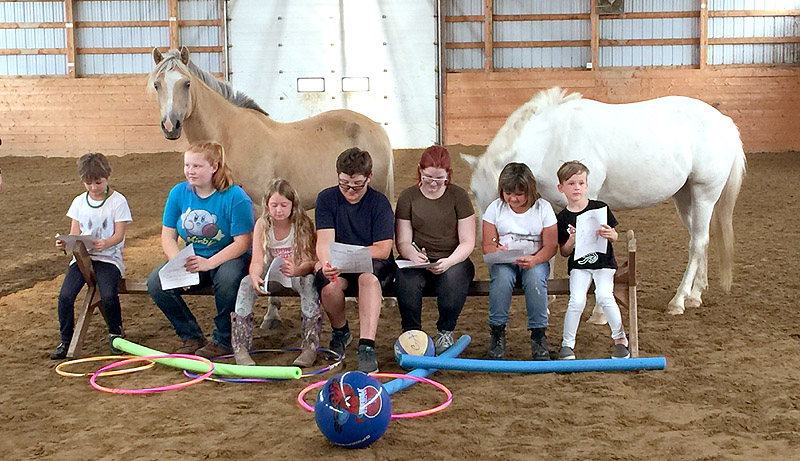
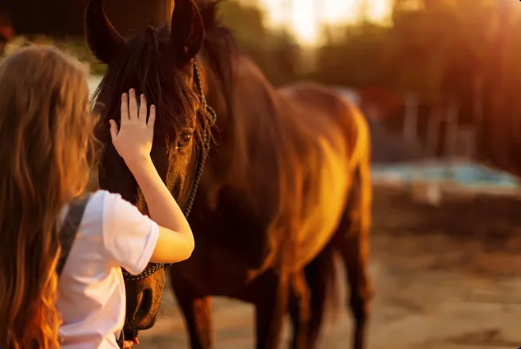
Image from https://health.howstuffworks.com/mental-health/coping/horse-therapy.htm

Equine-Assisted Learning for Children with Trauma and their Caregivers by Hopson et al. explores a seven-week EAL program called Resilience Reins, designed to support children who have experienced trauma. The program focuses on developing emotional regulation, communication, and self-efficacy through unmounted activities with horses. I find the focus on emotional regulation particularly interesting, as trauma can affect how children recognize, process, and respond to their emotions. Working with horses provides opportunities to practice communication, build confidence, and develop relationships in an environment that offers different experiences than traditional therapeutic or classroom settings.

Another important aspect of this study is that it recognizes the impact trauma can have on the entire family, not just the child. While children participated in Resilience Reins, their caregivers were invited to take part in a six-week Parent Café program focused on building social support, parenting knowledge, and protective factors. The findings showed significant improvements in family functioning and parenting knowledge, alongside improvements in children’s emotional problems, conduct, and hyperactivity. I particularly appreciate this approach because it recognizes how important a supportive home environment can be when helping children navigate difficult experiences. It also makes me realize how the benefits of EAL extend beyond just the time spent with horses, influencing how participants communicate and support one another in their everyday lives (Hopson et al., 2025).

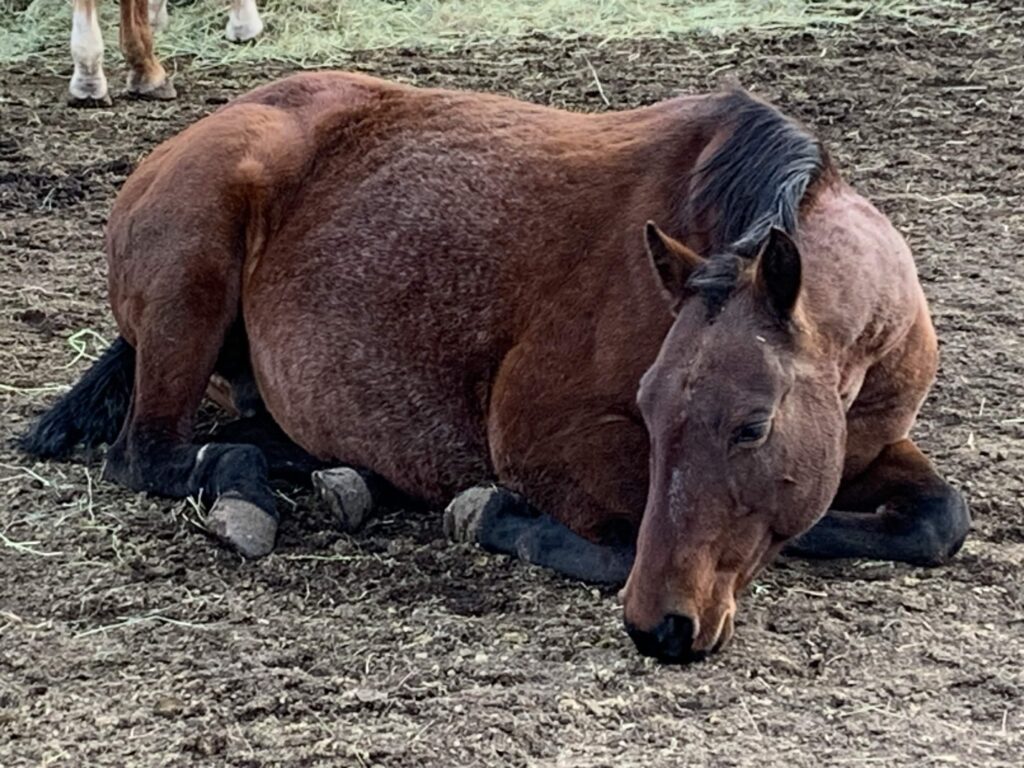
Picture by me of a friend’s horse Badger

Looking at these resources has given me a much deeper appreciation for the role horses can play in helping individuals navigate some of life’s most difficult experiences. Whether it is grief, trauma, or the challenges that come with rebuilding trust and emotional connections, horses seem to offer something unique through their presence alone. I’m particularly interested in how they can provide a sense of safety and connection without the need for verbal communication, as well as how EAL can help develop emotional regulation and strengthen relationships beyond the individual. I also appreciate seeing how these approaches can support not only children but their families and wider communities. It makes me wonder how many people could benefit from having access to these opportunities, especially those who may struggle with more traditional forms of support. Once again, I’m left thinking about just how incredible the connection between humans and horses can be, and how much healing can come from something as simple as spending time together.

EAL Inquiry Post #4 – Anxiety and Depression

Picture of Reno by me at a friend’s farm

Equine Assisted Learning (EAL) can also help heal people experiencing anxiety and depression, alongside other mental health challenges. I will be looking at different resources to explore how EAL and other equine experiences can help these individuals. This includes an academic resource, a post by WellPower, and a YouTube video from EAQNetwork. I hope to learn more about horses and their ability to support mental health.

As previously discussed, horses bring a unique element to learning and healing due to their heightened senses and awareness of energy and non-verbal cues. They are incredibly aware of our energy, as they can hear our heartbeat and can even match it with their own. According to Not Just Horsing Around: The Impact of Equine-Assisted Learning on Levels of Hope and Depression in At-Risk Adolescents by Frederick et al. (2015), “Even a brief (5-week) intervention of EAL had a positive impact on the lives and attitudes of at-risk adolescents, with increased levels of hope and decreased levels of depression.” I find this particularly interesting, as it shows how horses can invoke a sense of hope and create such meaningful changes in a relatively short amount of time. Further research discussed in this article identifies an array of potential psychotherapeutic benefits associated with horses, including “self-confidence, self-concept, communication, trust, perspective, anxiety reduction, decreased isolation, self-acceptance, impulse modulation, assertiveness, boundaries, creative freedom, and spiritual growth (Marx and Cumella 2003; Ewing et al. 2007; Trotter et al. 2008; Bass et al. 2009)” (Frederick et al., 2015). Looking at this range of benefits, it’s no surprise that EAL can support individuals experiencing anxiety, depression, and other mental health challenges.

I’m especially intrigued by the emphasis on hope and its connection to depression. I wouldn’t have necessarily recognized hope as a positive effect of spending time with horses, but looking back on my own experiences, I can’t remember a time when being around horses didn’t give me a more positive outlook. Another point I appreciate from a future teacher’s perspective is the article’s emphasis on affordability, stating, “In a time of budget cuts, it is especially important for schools and mental health providers to address the emotional needs of adolescents in the most frugal yet effective way possible” (Frederick et al., 2015). This goes to show that EAL can be not only an alternative, but a valuable strategy for supporting individuals experiencing anxiety and depression.

Picture of Al by me at a friend’s farm

From WellPower, I explored the overall healing power of horses for a closer look at some of the physiological processes involved. One of the first things to stand out to me was the potential role of electromagnetic energy emissions in both humans and horses. According to WellPower (2023), the electromagnetic range can have a soothing effect on individuals, contributing to the therapeutic benefits of equine-assisted programs. These interactions may help reduce our heart rate, blood pressure, and cortisol (stress) levels, while increasing “feel-good endorphins.” Participants also practised a breathing exercise with the horses, which “involves the participant placing their hand on the horse’s chest, near the heart and engaging in synchronized breathing” (WellPower, 2023). These physiological practices and findings are particularly important to my inquiry journey, as I always want to delve further into the mechanics behind what makes these profound changes possible. It’s incredible how even a horse’s presence can have such an impact on us.

Video by EAQNetwork on YouTube

Finally, I watched a video from EAQNetwork on YouTube sharing the experience of Nicky’s daughter, Jasmine, who struggled with severe anxiety that eventually led her to drop out of school. Initially, Jasmine was extremely nervous and withdrawn, sticking close to Nicky. However, by the end of the day, she was off with a facility member and felt confident enough to spend time looking at the horses. Nicky believes that being outside with the horses offers Jasmine a sense of freedom and relaxation, where “it’s just her and the horses” (Nicky via EAQNetwork, 2017). Nicky explains that Jasmine feels less pressured because she doesn’t need to conform to the expectations set at school. Instead, she can find comfort in the horses and develop her own bond with them. This experience has had a huge impact on Jasmine and her family. Although she is no longer attending traditional school, she now attends EAQ Manor Farm for outdoor learning.

Looking at the different perspectives on this topic has given me a clearer understanding of the impact horses can have on us in general, but also on those of us experiencing anxiety and depression. The energy, confidence, hope, and calm that horses can offer contribute to so many benefits throughout the healing journey. I’m especially intrigued by how horses can even impact us physiologically, potentially affecting our heart rate, blood pressure, cortisol, and endorphins. It leads me to wonder how we might incorporate more EAL opportunities and make them accessible to anyone who needs that additional support.

Unfortunately, this is only solidifying my dream of owning horses. Maybe I can write them off as emotional and well-being support animals..?

Image from https://inthemomentwithhorses.ca/index.php?page=equine-assisted-growth-and-learning

Frederick, K.E., Ivey Hatz, J. & Lanning, B. Not Just Horsing Around: The Impact of Equine-Assisted Learning on Levels of Hope and Depression in At-Risk Adolescents. Community Ment Health J 51, 809–817 (2015). https://doi.org/10.1007/s10597-015-9836-x

EAL Inquiry Post #3 – Autism and ADHD

Video from Spur Valley Horses Facebook https://www.facebook.com/reel/1273737811575292

This post will focus on how Equine Assisted Learning (EAL) supports those with Autism Spectrum Disorder (ASD) and Attention-Deficit/Hyperactivity Disorder (ADHD) through the use of structured routines and the consistent, peaceful presence of horses. With resources such as the Spur Valley Horses website, YouTube videos from Do Whit Yourself and Rockford Park District, and academic articles, I will dive into just how far horses go to help those with Autism and ADHD.

These initial videos help provide some examples of some activities that children or others with Autism and ADHD may experience through EAL. As described in both, these activities challenge the participants to be aware of their surroundings as well as themselves in space, feeling, and emotion. With the help of these horses, participants can practice to communicate verbally and non-verbally.

As described by Emma in Student with ADHD says horseback riding helps control the disorder, she finds it easier to focus her thinking and complete tasks like homework more easily because riding requires her entire body to be engaged. As described by Kate Evans from Life in Stride Riding Center, the students are forced to adapt with the horses and take control of the varying situations they may face when riding. These experiences help the students to better understand and recognize their strengths in order to apply them in the future.

In the second video provided, we see one type of EAL activity participants may come across, a blindfolded obstacle course. As explained in this video,
Lockwood Park: Equine-Assisted Learning Demo
, the horses are utilized in this trust exercise as the participants are blindfolded and must navigate themselves and their haltered horse through a series of obstacles without touching them. The other participants on the outside needed to use their vocal ques and communication to guide the student with their horse to successfully make it to the end. This activity helps participants to build trust and better understand and recognize their senses while growing their communication skills. These types of activities and interactions with the horses encourage students to better regulate emotions, look inside themselves, and self-evaluate.

Research suggests that working with horses may offer valuable support for individuals with autism and ADHD, particularly in areas such as communication, social interaction, attention, and emotional regulation. Peters and Wood found promising outcomes for children and adolescents with autism, including improvements in behaviour, communication, and social interaction. Similarly, Pérez-Gómez et al. identified potential benefits for children with ADHD, including improvements in attention, self-esteem, and anxiety. I found these findings encouraging because many of these skills can also support students in the classroom and in their everyday relationships. However, both reviews emphasized that more research is needed, as the existing studies vary considerably in their approaches and quality.

Taylor’s chapter on equine-facilitated psychotherapy also explores how activities such as grooming can help individuals practice mindfulness, focus, and task completion. While this resource focuses on equine-facilitated psychotherapy rather than EAL specifically, I think it offers an interesting example of how everyday interactions with horses can create opportunities for learning and personal growth. It is important to remember that equine-assisted therapy and EAL are not the same, and findings from therapeutic programs cannot automatically be applied to educational settings. Still, I think these resources help highlight why EAL may be beneficial for students with autism and ADHD. Working with horses can provide opportunities to practice important skills in a hands-on environment that differs from a traditional classroom. Although the research is still developing, I believe there is value in continuing to explore how EAL can create meaningful learning experiences that support individual needs, confidence, and connection.

References:
McDaniel Peters, B. C., & Wood, W. (2017). Autism and equine-assisted interventions: A systematic mapping review. Journal of Autism and Developmental Disorders, 47(10), 3220–3242. https://doi.org/10.1007/s10803-017-3219-9

Pérez-Gómez, J., Amigo-Gamero, H., Collado-Mateo, D., Barrios-Fernandez, S., Muñoz-Bermejo, L., Garcia-Gordillo, M. Á., Carlos-Vivas, J., & Adsuar, J. C. (2021). Equine-assisted activities and therapies in children with attention-deficit/hyperactivity disorder: A systematic review. Journal of Psychiatric and Mental Health Nursing, 28(6), 1079–1091. https://doi.org/10.1111/jpm.12710

Taylor, C. (2019). “Combing” through ADHD symptoms utilizing mindful grooming. In Equine-assisted mental health interventions: Harnessing solutions to common problems (pp. 91–105). Routledge. https://doi.org/10.4324/9781315164144-9

Image of my favourite Spur Valley horse, Rip from the Spur Valley Horses wesbite

From these sources, I believe EAL can provide beneficial experiences for those with Autism and ADHD. As Spur Valley puts it, “Horses communicate without words. Their intuitive, non-verbal feedback creates a calm, accepting environment where neurodivergent individuals can feel understood, capable, and at ease. Through calm leadership, consistency, and honest reflection, the horse becomes a powerful partner in growth.” I can personally resonate with this as I have always found animals, especially horses, to offer a peaceful, safe, and genuine connection where I can be myself and make a connection that surpasses human relationships.

EAL Inquiry Post #2 – Addiction and Substance Abuse

This post will focus on how EAL can be used as a form of treatment and recovery for those struggling with and overcoming addiction and substance abuse. Through the use of Spur Valley Horses and Rae-Lyn, a simple YouTube video, and an academic research article, I will look into how EAL specifically impacts those facing these challenges.

The horses at Spur Valley’s EAL program offer support through presence without judgment and respond to honesty, consistency, patience, and responsibility, which are the same foundations recovery is built upon (Spur Valley Horses, 2026). While individuals work alongside horses through games, simple training, and passive presence, they are able to rebuild trust in themselves as the horse learns to trust them. Healthy boundaries can also be established and maintained between the horse and the individual. Individuals can also rediscover a sense of purpose through the care of the horses, their environment, and what they are able to accomplish during their sessions. By visiting the ranch and committing to the EAL program with Rae-Lyn, individuals can take the first steps toward long-term recovery through its routine, emphasis on accountability, and the connections they are bound to make.

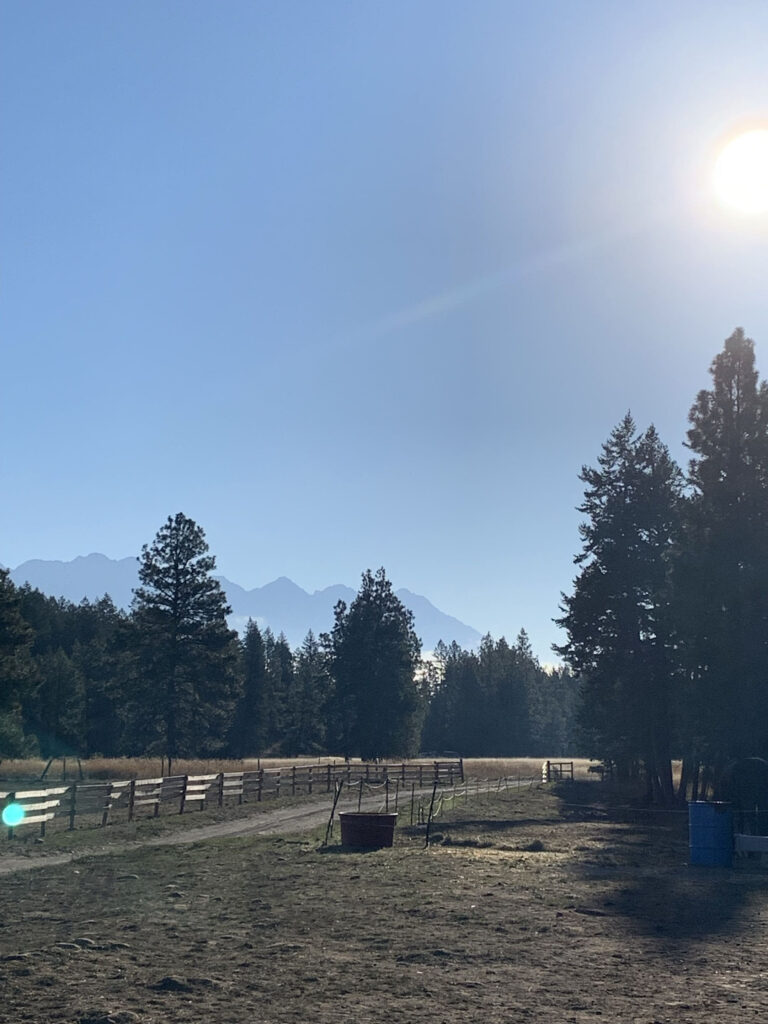
Picture taken by me at Spur Valley Horses – Oct 4th 2026

As put by Cody Regional Health, “horses have a way of helping us all lower walls we’ve built up over time.” This short video provides a glimpse into what EAL may look like for someone struggling with addiction and substance abuse. Michelle Brenner, the case manager of the program, explains that horses offer judgment-free and authentic company for individuals who often face extreme judgment because of their challenges. The horses can mirror emotions and feed off of energy, allowing individuals to see their inner feelings from an external perspective and make these emotions more tangible to work through. According to Adam McClure, an EAL client at Cody Regional Health, this program is a tool that not only offers a one-on-one experience, but can also open up something spiritually within and provide a sense of release. He explains that spending time with these “awesome animals and playing games” has helped him “open up and be more loving” and has lifted a weight off his shoulders that he recognized but didn’t know how to get rid of. Watch the video below!

https://youtu.be/FCz4Lp-6v1s?si=5oij0ibu29SkJi0l

The final source I review is “Equine assisted psychotherapy and learning as an effective complementary form of substance use disorder treatment for college-age young adults in a residential treatment program” by Holtcamp et al. in the “Journal of Equine Veterinary Science.” This study reviewed the efficacy of equine assisted psychotherapy and learning (EAPL) in young adults aged 18–25 years within a residential treatment program. Overall, total scores for emotional safety, equine knowledge, and physical skills showed significant improvement. The results suggest that EAPL can be an “effectual complementary form of SUD therapy for developing an emotional safety environment for learning” (Holtcamp et al., 2023).

Together, these sources demonstrate how EAL can provide a unique form of support for individuals working through addiction and substance abuse. While it should not replace traditional treatment, EAL can complement existing approaches by providing opportunities to build trust, develop healthy boundaries, practice responsibility, and reconnect with a sense of purpose. What stood out to me most was the way horses can provide a form of connection without the judgment that individuals struggling with addiction may be accustomed to experiencing. Whether through caring for a horse, learning to communicate with it, or simply spending time in its presence, EAL creates opportunities for individuals to work through emotions and challenges in a different way. The research also provides support for these experiences, showing that the benefits of EAL extend beyond personal stories and can contribute to measurable improvements in emotional safety and learning. Overall, EAL appears to be a meaningful complementary tool that can help individuals take steps toward recovery while developing skills and connections that can support them beyond the ranch.

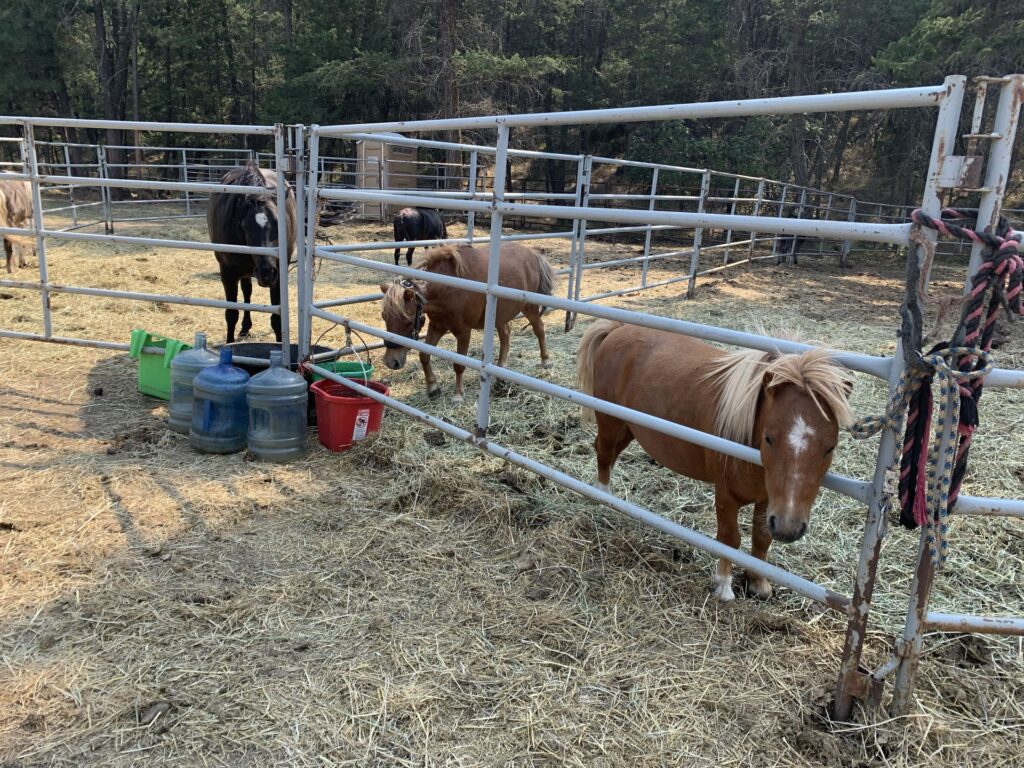
Picture by me featuring Pickles (left), Chicken Nugget (middle), and Hot Dog (right) at Spur Valley

EAL Inquiry Post #1 – What is Equine Assisted Learning?

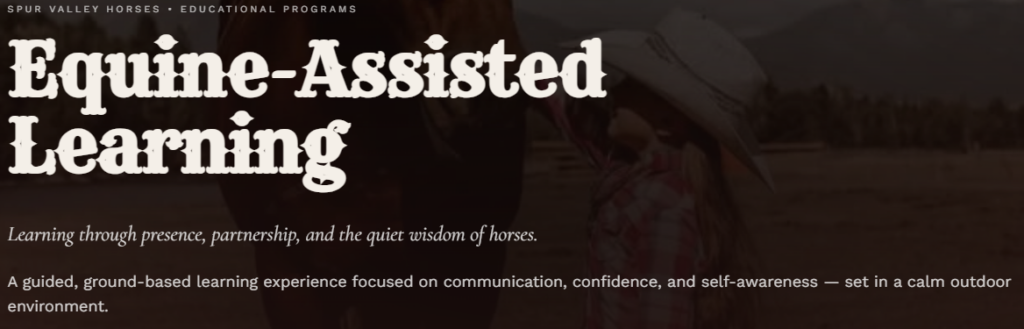
Equine Assisted Learning (EAL), as put by Spur Valley Horses, is “a guided, ground-based learning experience focused on communication, confidence, and self-awareness,” which is particularly helpful for supporting people of any age who have experienced or are going through trauma, mental health disorders and dysregulation, and more. EAL Canada offers certification for establishments to follow their set of principles and standards in order to provide authentic EAL programs. EAL is particularly interesting to me as I have always found a deep sense of peace and fulfillment while working with many animals, especially horses. As I have began working with horses more throughout the last 2 years, I found EAL particularly interesting when I began volunteering with Spur Valley Horses in June 2026.

Screenshot taken from https://spurvalleyhorses.ca/eal/#eal-details

To better understand the scope of EAL, I have embedded a YouTube link below by Alma Vida Horse Ranch. Equine Assisted Learning is different from Equine Assisted Therapy (EAT), which is gone over in this video. I appreciate how in-depth the speaker goes into EAL while keeping it very personable.

Relevant part of video up until 15:00. Video by Alma Vida Horse Ranch

Through this inquiry project, I intend to embrace my connection with Rae-Lyn Pighin at Spur Valley Ranch to better understand EAL and its benefits. I hope to learn as much as I can through this inquiry project, the resources I discover, and the horses I will meet.

Now that we know more about what EAL is, I will take the time to dedicate the next five upcoming posts to an area of help covered within this practice. The following posts will cover the following areas of help:
– Addiction and Substance Abuse
– Autism and ADHD
– Anxiety and Depression
– Trauma and Grief
– Confidence and Identity

Thank you for taking the time to follow along and learn with me. I hope these posts will be a fun way of displaying the scope of EAL and I am so excited to dive into this practice. I really believe we can heal and learn so much from horses and other animals.