Brooke’s Learning Portfolio

Welcome to my learning portfolio where I tell you a little about me and accumulate experiences and learnings over the course of EDCI 402 and EDCI 336.

EAL Inquiry Post #2 – Addiction and Substance Abuse

This post will focus on how EAL can be used as a form of treatment and recovery for those struggling with and overcoming addiction and substance abuse. Through the use of Spur Valley Horses and Rae-Lyn, a simple YouTube video, and an academic research article, I will look into how EAL specifically impacts those facing these challenges.

The horses at Spur Valley’s EAL program offer support through presence without judgment and respond to honesty, consistency, patience, and responsibility, which are the same foundations recovery is built upon (Spur Valley Horses, 2026). While individuals work alongside horses through games, simple training, and passive presence, they are able to rebuild trust in themselves as the horse learns to trust them. Healthy boundaries can also be established and maintained between the horse and the individual. Individuals can also rediscover a sense of purpose through the care of the horses, their environment, and what they are able to accomplish during their sessions. By visiting the ranch and committing to the EAL program with Rae-Lyn, individuals can take the first steps toward long-term recovery through its routine, emphasis on accountability, and the connections they are bound to make.
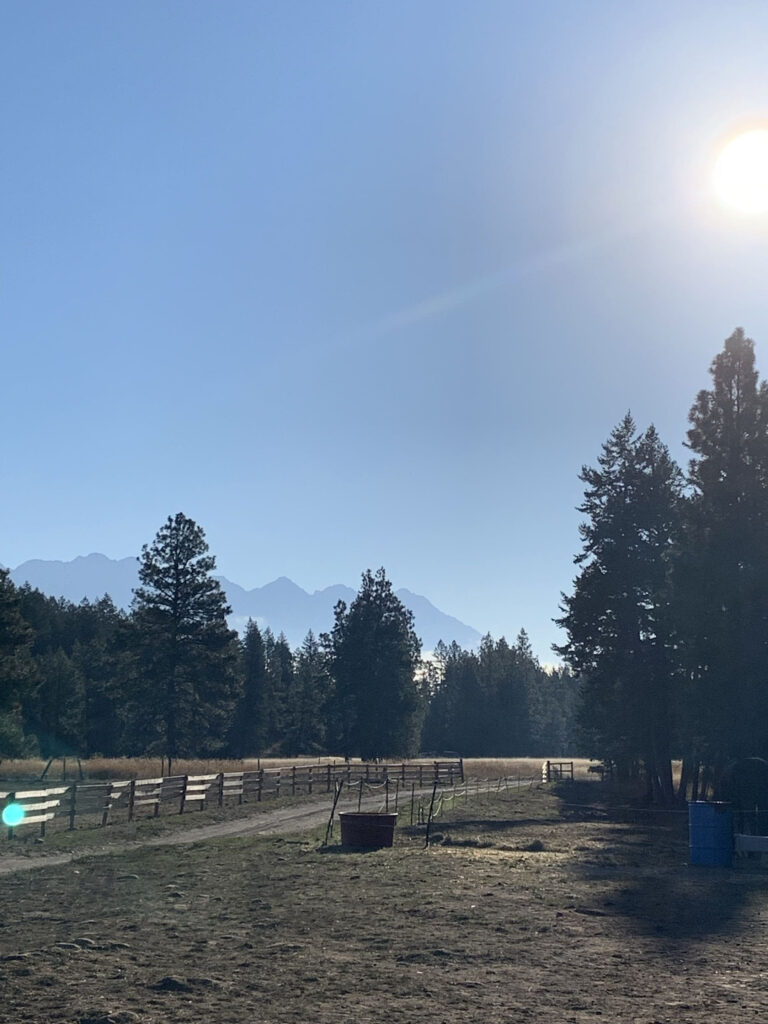
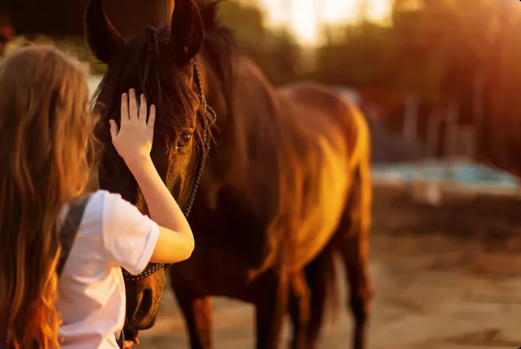
Picture taken by me at Spur Valley Horses – Oct 4th 2026

As put by Cody Regional Health, “horses have a way of helping us all lower walls we’ve built up over time.” This short video provides a glimpse into what EAL may look like for someone struggling with addiction and substance abuse. Michelle Brenner, the case manager of the program, explains that horses offer judgment-free and authentic company for individuals who often face extreme judgment because of their challenges. The horses can mirror emotions and feed off of energy, allowing individuals to see their inner feelings from an external perspective and make these emotions more tangible to work through. According to Adam McClure, an EAL client at Cody Regional Health, this program is a tool that not only offers a one-on-one experience, but can also open up something spiritually within and provide a sense of release. He explains that spending time with these “awesome animals and playing games” has helped him “open up and be more loving” and has lifted a weight off his shoulders that he recognized but didn’t know how to get rid of. Watch the video below!

The final source I review is “Equine assisted psychotherapy and learning as an effective complementary form of substance use disorder treatment for college-age young adults in a residential treatment program” by Holtcamp et al. in the “Journal of Equine Veterinary Science.” This study reviewed the efficacy of equine assisted psychotherapy and learning (EAPL) in young adults aged 18–25 years within a residential treatment program. Overall, total scores for emotional safety, equine knowledge, and physical skills showed significant improvement. The results suggest that EAPL can be an “effectual complementary form of SUD therapy for developing an emotional safety environment for learning” (Holtcamp et al., 2023).

Together, these sources demonstrate how EAL can provide a unique form of support for individuals working through addiction and substance abuse. While it should not replace traditional treatment, EAL can complement existing approaches by providing opportunities to build trust, develop healthy boundaries, practice responsibility, and reconnect with a sense of purpose. What stood out to me most was the way horses can provide a form of connection without the judgment that individuals struggling with addiction may be accustomed to experiencing. Whether through caring for a horse, learning to communicate with it, or simply spending time in its presence, EAL creates opportunities for individuals to work through emotions and challenges in a different way. The research also provides support for these experiences, showing that the benefits of EAL extend beyond personal stories and can contribute to measurable improvements in emotional safety and learning. Overall, EAL appears to be a meaningful complementary tool that can help individuals take steps toward recovery while developing skills and connections that can support them beyond the ranch.
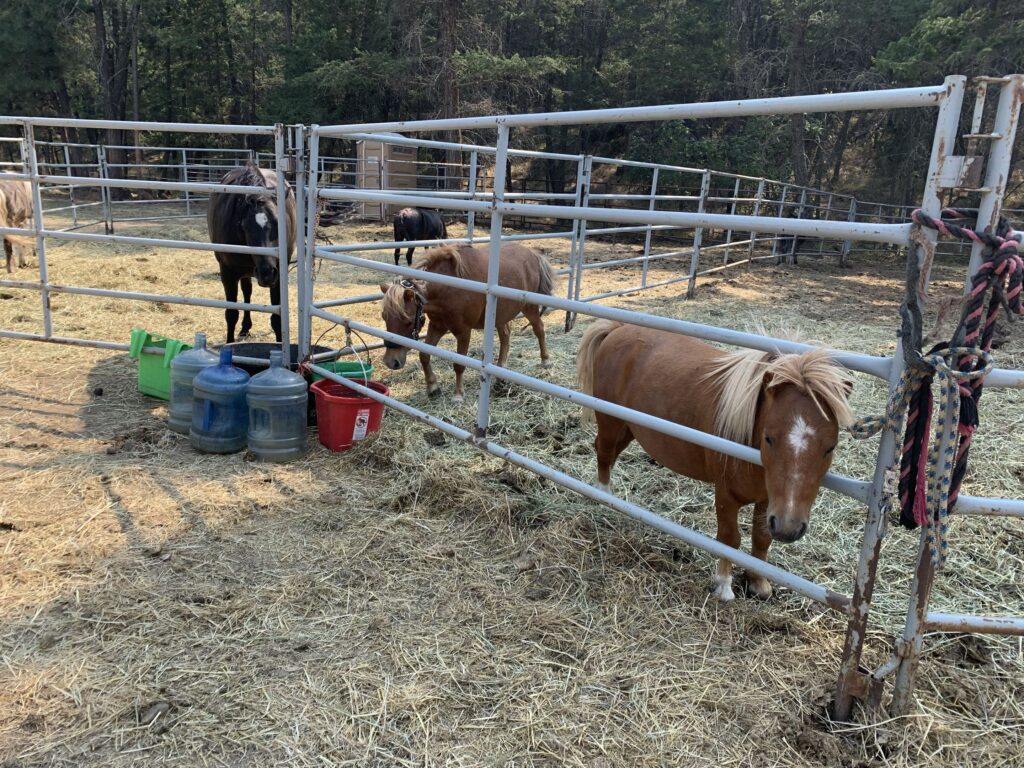
Picture by me featuring Pickles (left), Chicken Nugget (middle), and Hot Dog (right) at Spur Valley

Free Inquiry Post #1 – What is Equine Assisted Learning?

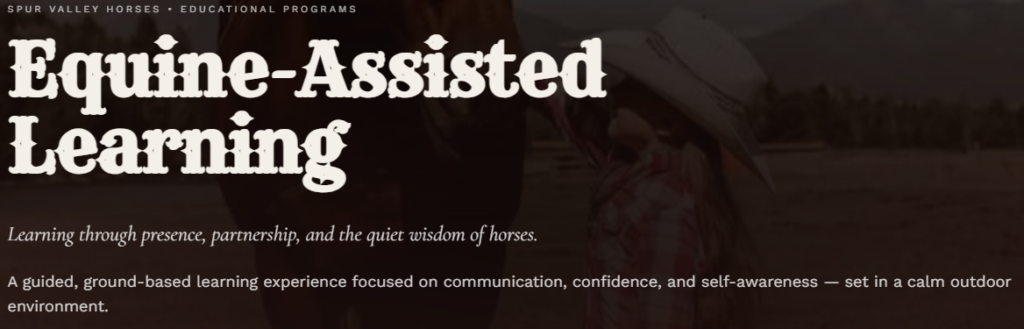
Equine Assisted Learning (EAL), as put by Spur Valley Horses, is “a guided, ground-based learning experience focused on communication, confidence, and self-awareness,” which is particularly helpful for supporting people of any age who have experienced or are going through trauma, mental health disorders and dysregulation, and more. EAL Canada offers certification for establishments to follow their set of principles and standards in order to provide authentic EAL programs. EAL is particularly interesting to me as I have always found a deep sense of peace and fulfillment while working with many animals, especially horses. As I have began working with horses more throughout the last 2 years, I found EAL particularly interesting when I began volunteering with Spur Valley Horses in June 2026.

Screenshot taken from https://spurvalleyhorses.ca/eal/#eal-details

To better understand the scope of EAL, I have embedded a YouTube link below by Alma Vida Horse Ranch. Equine Assisted Learning is different from Equine Assisted Therapy (EAT), which is gone over in this video. I appreciate how in-depth the speaker goes into EAL while keeping it very personable.

Relevant part of video up until 15:00. Video by Alma Vida Horse Ranch

Through this inquiry project, I intend to embrace my connection with Rae-Lyn Pighin at Spur Valley Ranch to better understand EAL and its benefits. I hope to learn as much as I can through this inquiry project, the resources I discover, and the horses I will meet.

Now that we know more about what EAL is, I will take the time to dedicate the next five upcoming posts to an area of help covered within this practice. The following posts will cover the following areas of help:
– Addiction and Substance Abuse
– Autism and ADHD
– Anxiety and Depression
– Trauma and Grief
– Confidence and Identity

Thank you for taking the time to follow along and learn with me. I hope these posts will be a fun way of displaying the scope of EAL and I am so excited to dive into this practice. I really believe we can heal and learn so much from horses and other animals.

Weekly Reflection #1 – Digital Citizenship

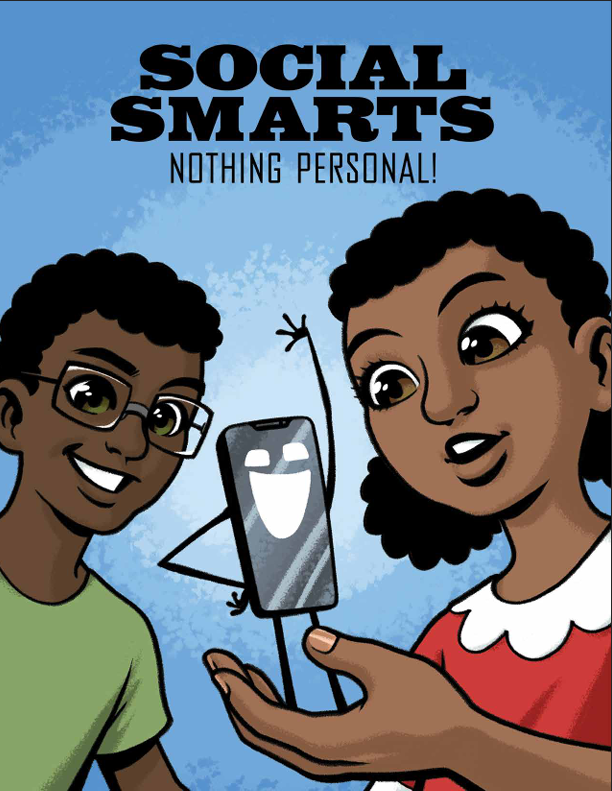
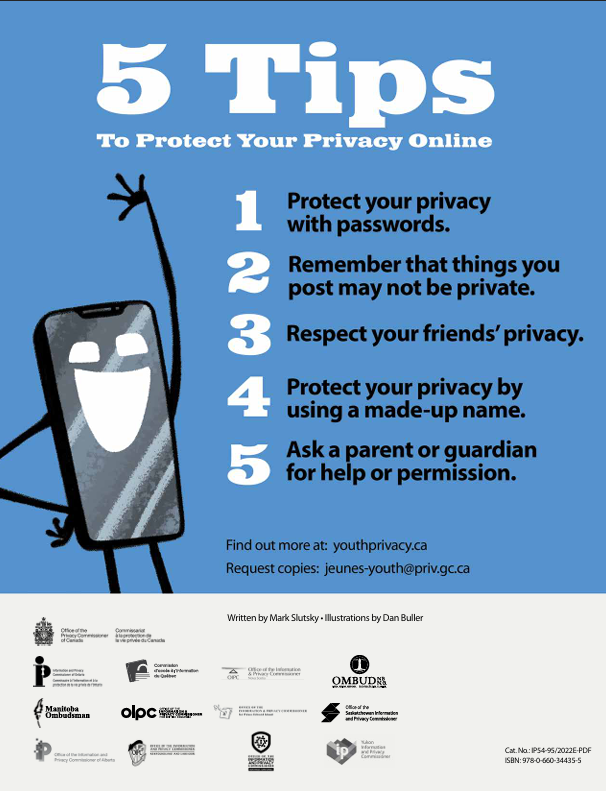
Digital citizenship is a topic that has been very important to me as an avid online gamer, social media consumer, and general technology user. I believe I was lucky enough to be raised at the perfect time (born 1999) when technology wasn’t as easily accessed or nearly as dangerous as it is currently but raised alongside it to keep up to date. I want to use this opportunity to reflect on the graphic shared in class, “Social Smarts: Nothing Personal!” in relation to my upbringing and current use and understanding of my digital identity.

In this graphic, we follow a short story of Olive, who recently got her older brother’s old phone and learns the consequences of her actions through various uses of different digital platforms. There are significant learning moments (emphasized through the excitable phone character) such as how much information is still out there even after deletion, when and where to use your real name or a digital alias, how meaning of posts and texts can be misconstrued, and the use of (digital) cookies.

After reading through this for the first time, I immediately reflected on the experience of my very first phone I got in Grade 5, when I started walking to school by myself. It was an old Blackberry flip phone that had been my Dad’s old work phone. It really only had the features of texting, calling, and taking photos. Even with those few functions, it came with a lot of responsibility on who I can contact (only my family’s contacts were saved) and its purpose of being used as a tool for safety. I couldn’t imagine how many further precautions parents have to make nowadays with new iPhones and the endless amounts of apps and platforms their children can access. It’s really scary to think of.

Thankfully, my Mom has always been especially informed and cautious when it came to the use of the internet and digital platforms. She was strict on how I used the internet and taught me valuable skills such as being able to better recognize scams and fraudulent material, protecting personal information and passwords, and always asking for help anytime I felt unsure. Fast forward to today, and I am now fairly confident in my own use of the internet as I am confident in knowing when and where to use personal information (such as Amazon) and where to make up fake aliases (such as Discord and gaming platforms). Although I am always very careful, people with malicious intentions are always out there and thankfully, many websites and platforms have incorporated additional security features to better protect your information.

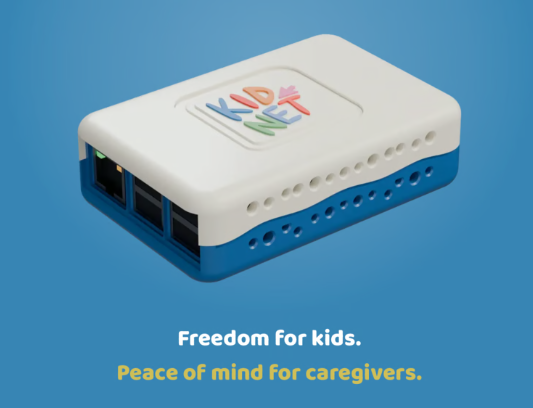
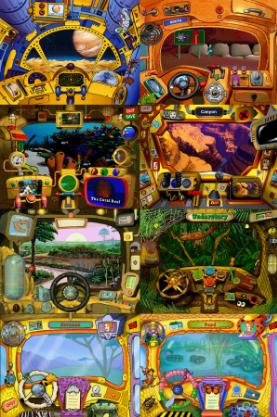
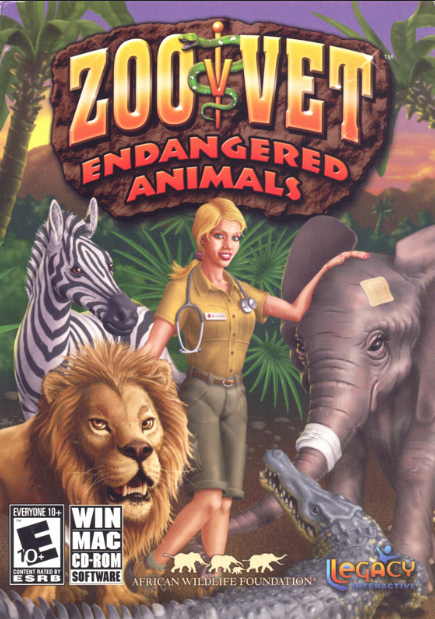
I hope to be able to share my knowledge with future students and my own future kids to better protect them as they inevitably gain more and more access to the internet. I have even started hearing about new devices and platforms specifically created for kids to have more secure access to safe games, streaming services, and information. Some examples include “Kidnet”, “Tin Can” phone, and bringing back the use of safe and educational PC and console games like “Zoo Tycoon,” “Zoo Vet,” and “The Magic School Bus Activity Centers.”

Blog Post #6

Story Vines are a hands-on, visual strategy that helps students connect to and reflect on a story in a meaningful way. By moving along the rope and identifying key elements, students can clearly see important events and how they shape the retelling. This connects directly to Sometimes Reading is Hard, which explains that many students struggle not with decoding, but with organizing and understanding story structure. Visual tools like Story Vines make narrative elements concrete, allowing students to “see” the beginning, middle, and end rather than hold them abstractly in their minds. Through this activity, I saw how physically mapping a story supports comprehension, collaboration, and confidence.

Before working with the Grade 2/3 students, we had the opportunity to create our own Story Vines in class last week. Although I wasn’t able to fully complete mine as the braiding process took me longer than I anticipated, the experience was still valuable. For my vine, I chose to base it on The Animal People Choose a Leader by Richard Wagamese. I selected different shades of green yarn to reflect the forest setting, grounding the story in its natural environment.

Even without completing the addition crafted symbols I envisioned, the process pushed me to think critically about which events were essential and how visuals could support comprehension. This gave me greater confidence when guiding students, as I better understood both the creative possibilities and practical challenges.

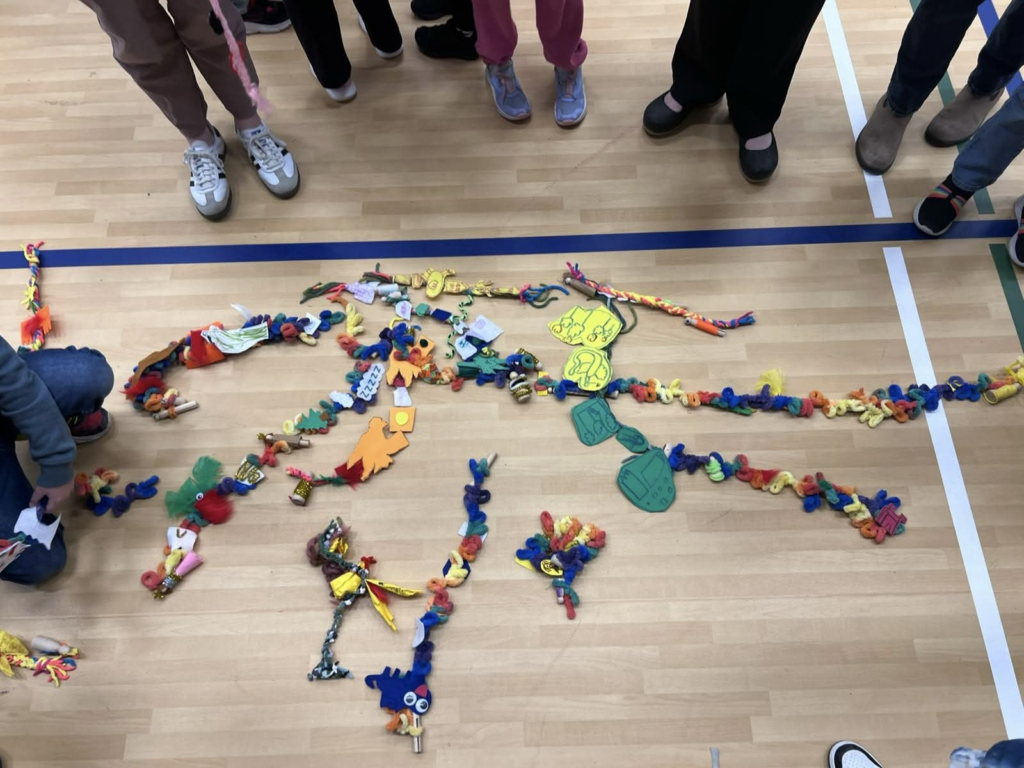
Working with the Grade 2/3 students, my group guided them in creating their own Story Vines based on Robert Munsch’s The Paper Bag Princess. After reading the book to them, we supported students through mind mapping the details they wanted to include before getting initial supplies for crafting elements such as the princess, the dragon, or the forest fires. I helped braid the vines of two students before moving into cutting out the prince’s silly red shoes or using a sparkly gold pipe cleaner as a beautiful dress for the princess. Each student created a unique vine to share with Kindergarteners.

When it came time to share with the Kindergarteners, the Grade 2/3 students required a fair amount of guidance. While their Story Vines supported sequencing, prompting was still needed to elaborate on events and explain the connections. After the presentations, we read two additional books chosen by the students before returning to The Paper Bag Princess. During this second reading, we invited students to point to corresponding sections of their vine as the story unfolded. This rereading noticeably strengthened their confidence and clarity, as they were better able to connect the physical elements to the narrative events.

Photo of all the Grade 2/3s Story Vines

This activity strongly aligns with the English Language Arts curriculum for Grades 2 and 3. Grade 2 students are expected to retell stories and sequence events, while Grade 3 students extend these skills by identifying key details and engaging in collaborative discussions. Story Vines integrate reading, speaking, listening, and representing, transforming retelling from passive recall into an interactive, multimodal experience. Overall, Story Vines provide structure for comprehension while fostering creativity and communication, something I look forward to incorporating into my future classroom.

Blog Post #5

It is important to consider the authors and perspectives represented in our book collections, especially as educators. Roxanne Harde emphasizes in “Putting First Nations Texts at the Center” (2016) that children should have access to authentic Indigenous texts written by Indigenous authors. These texts should be meaningfully integrated into learning. Similarly, Rudine Sims Bishop’s idea of literature as “mirrors, windows, and sliding glass doors” reminds us that students benefit from seeing themselves reflected in books while also learning about others’ experiences. I will go through some picture books I would include in a Grade 1/2 classroom library to support inclusion, empathy, social-emotional learning, and Indigenous texts.

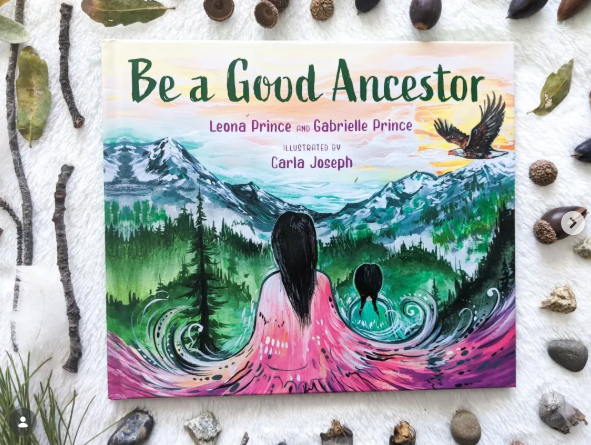
Be a Good Ancestor – Leona Prince and Gabrielle Prince
This book encourages children to think about the long-term impact of their choices on the planet. Centering Indigenous perspectives on environmental stewardship, it can spark themes about sustainability, responsibility, and connection to the land.

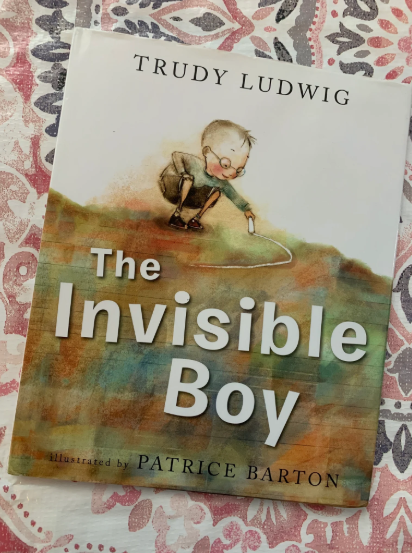
The Invisible Boy – Trudy Ludwig
This story explores feelings of exclusion and belonging through a quiet student who feels unseen. It encourages empathy, friendship, and noticing others, making it ideal for early primary social-emotional learning.

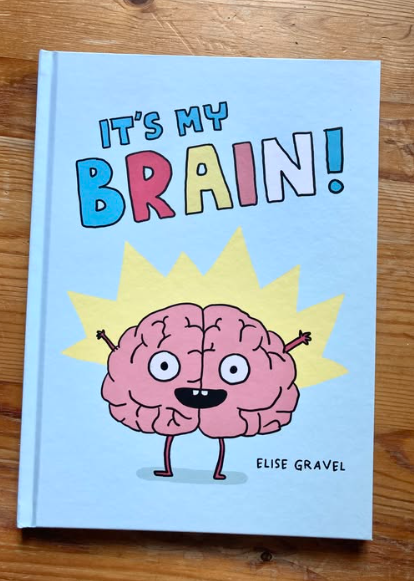
It’s My Brain! – Elise Gravel
This playful book introduces neurodiversity in a clear and affirming way. It helps students understand and celebrate differences in how people think and learn, supporting inclusive classroom conversations and self-acceptance.

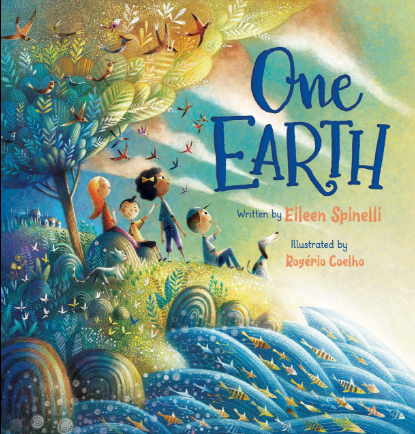
One Earth – Elleen Spinelli
Through simple text and illustrations, this book teaches young readers about taking care of the Earth and their communities. It connects environmental awareness with personal responsibility, making it a natural complement to both science and social-emotional learning.

Including these texts in a Grade 1/2 classroom provides mirrors for self-reflection, windows into others’ experiences, and sliding glass doors to new perspectives. As Roxanne Harde points out, when evaluating resources, it is important to move beyond books that “stereotype, moralize, generalize, and objectify—to write about a nation, a people, instead of about a child,” and instead prioritize texts that represent all children as individuals. Selecting books like Be a Good Ancestor, The Invisible Boy, It’s My Brain!, and One Earth allows students to engage with authentic voices and meaningful stories while fostering empathy, inclusion, and respect for diversity from an early age.

Blog Post #4

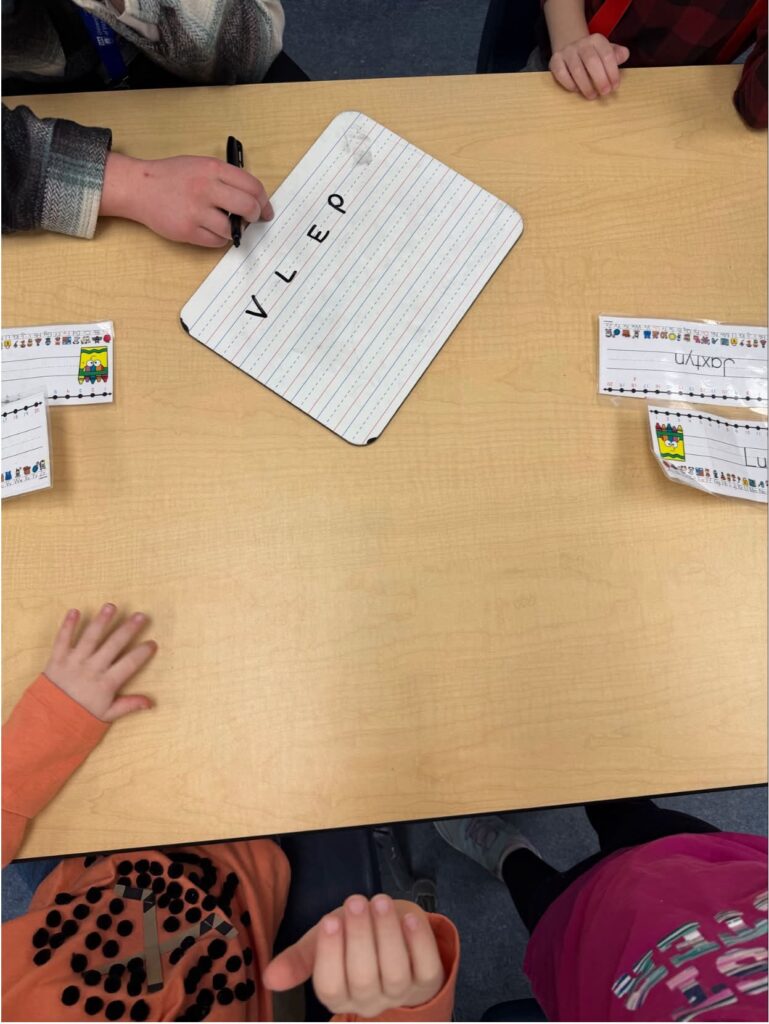
This week we had the opportunity to teach a “Literacy Station” with a given class of primary students. I was placed in a Kindergarten classroom, so I wanted to do a lesson that was as adaptable as possible working on letters of the alphabet, their sounds, and some words to go with them. Another peer in the same class as me did a station making letters with playdough, which I could tell the students loved, but it stuck with a similar theme of working on letters.

The way my station worked relied on using a mini whiteboard. We would go through rounds where I would write 4 random letters for the students to choose which letter they knew the best. The student would then tell me what sounds that letter can make and a word to go with it. The first two groups excelled in this, so I added extra depth to it where we would work on spelling the word out based on the sounds within the word. For example: I write the letters P, L, B, and I. A student chooses the letter “P” and says “P makes a ‘puh’ sound.” Then the student comes up with the word “puppy” to go with it. If able, we would go through the sounds of each letter to spell it out with as much help from me as they needed. As the student works through their turn, other student may offer help, which I gladly encouraged if the student wanted it. I believe the students working together was another valuable aspect to the lesson.

How does this activity fit the BC Kindergarten Curriculum?

This activity would include the following areas of the BC English Language Arts curriculum for Kindergarten:
Big Ideas
– Playing with language helps us discover how language works.

Curricular Competency
– Comprehend and connect (reading, listening, viewing)
– Use sources of information and prior knowledge to make meaning
– Explore foundational concepts of print, oral, and visual texts
– Create and communicate (writing, speaking, representing)
– Exchange ideas and perspectives to build shared understanding

Content
– Strategies and processes
– oral language strategies
– writing processes
– Language features, structures, and conventions
– concepts of print
– letter knowledge
– phonemic and phonological awareness
– the relationship between reading, writing, and oral language

How does this experience reflect the Professional Standards for BC Educators?

Participating in this literacy station reinforced the importance of creating a respectful, inclusive, and developmentally appropriate learning environment. Working in a Kindergarten classroom required adaptability for the large range of comprehension and abilities, so I wanted to ensure I could fit the activity to each unique student. This allowed them to engage in letter recognition and sounds at their own level. Throughout the activity, I focused on observing and responding without judgment, adjusting instruction based on student responses. Encouraging peer support helped create a collaborative learning space where students felt comfortable sharing ideas and assisting one another. This experience really highlighted the value of responsive teaching, reflective practice, and thoughtful instructional design.

Blog Post #3

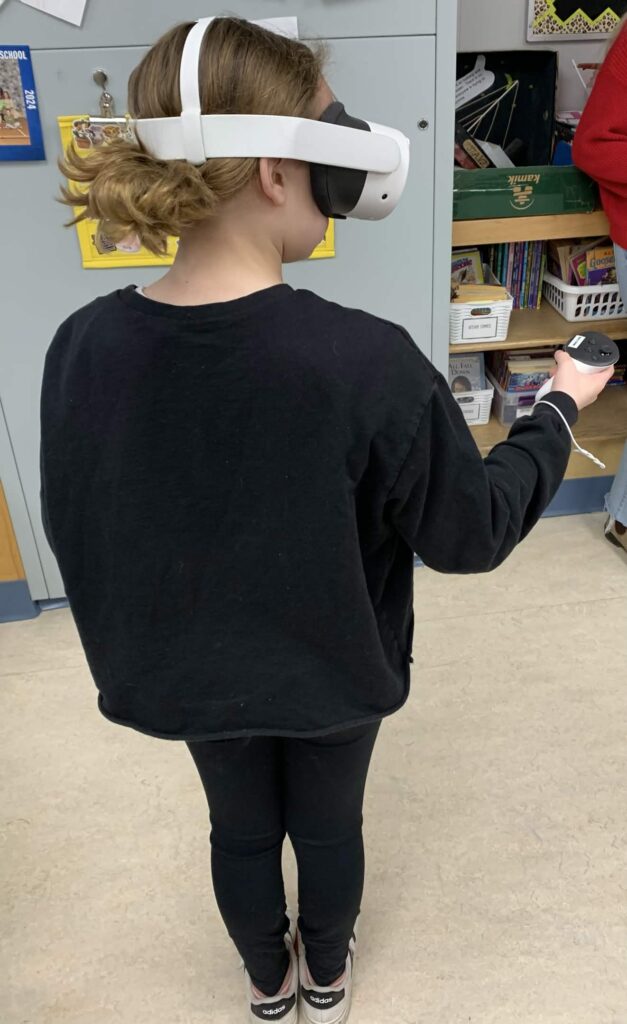
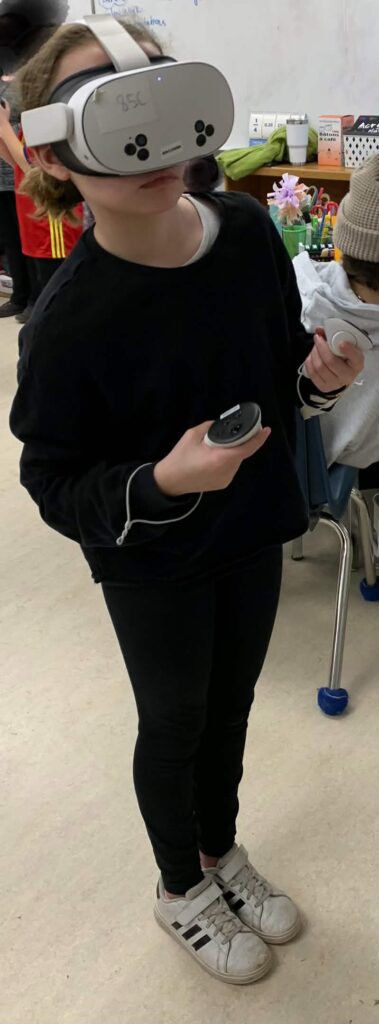
For this week, we had the opportunity to read “The Wolves in the Walls” by Neil Gaiman before trying the virtual reality (VR) game about the same story. I had never tried VR before, but being a gamer on my PC, I was eager to try this different set up! It was very cool to experience as I worked through the story of the game, though there were a couple times I had to be corrected on my footing as it became so immersive. I could understand how others may have been sensitive to the experience or didn’t like it, but I definitely did. I was glad to get to experience it myself before taking this in to work with the Grade 5/6 class the next day.

The Grade 5/6 class went through a similar process to ourselves, however they were split into groups to go through areas of the school to be read to. As each group worked through the reading stations of “The Wolves in the Walls” and made it back to class, us student teachers were able to get them set up with playing the VR game. We made sure to help them fit the VR headsets and find spots with enough space in the classroom. The first student I helped was very eager to give this a try and I supervised as she worked through the story.

She really enjoyed the activity and once she was finished, I was able to help out another student. The second student actually owned a VR set at home so he was kind enough to allow others to try before him. He enjoyed the game as he worked through and connected it to the story, but wasn’t quite as fascinated as it wasn’t a novelty to him.

How does this activity connect to the curriculum?

This class of going through the story and then playing the VR game works well into the BC Curriculum Big Ideas for Grade 5/6 English Language Arts. The Big Ideas it connects to within Grade 5 are:
– Language and text can be a source of creativity and joy.|
– Using language in creative and playful ways helps
us understand how language works.

For Grade 6, the Big Idea connections would be:
– Language and text can be a source of creativity and joy.
– Exploring and sharing multiple perspectives extends our thinking.

The VR experience deepens these ideas by letting students enter the story world and interact with it in a fun, engaging way, rather than only observe pages of it.

Comparing a traditional picture book with an immersive VR story directly supports multimodal literacy. Through the Grade 5/6 ELA curriculums, we can connect this activity to the Curricular Competencies:
– Comprehend and connect (reading, listening, viewing)
– Use a variety of comprehension strategies before, during, and after reading, listening, or viewing to guide inquiry and deepen understanding of text
– Synthesize ideas from a variety of sources to build understanding
– Create and communicate (writing, speaking, representing)
– Use language in creative and playful ways to develop style

Finally, this activity connects with the Grade 5/6 curricular content through:
– Story/text
– forms, functions, and genres of text
– text features
– literary elements
– literary devices
– Language features, structures, and conventions
– features of oral language
– presentation techniques
Students could analyze how choice, immersion, sound, and point of view affect storytelling in VR. Storytelling through VR also blurs the line between reader, viewer, and participant within the story.

How does my participation and experience with this activity reflect on the Professional Standards for BC Educators?

Participating in this learning experience reinforced the importance of creating respectful, inclusive, and engaging learning environments that support diverse ways of learning. Experiencing both shared storytelling and an immersive digital format showed how multimodal approaches can meaningfully deepen engagement and understanding when used with intention. Throughout the activity, I thought about how instructional design and learning contexts can foster curiosity, empathy, and meaning-making. The experience also highlighted the importance of using technology thoughtfully and ethically to enhance learning rather than distract from it. Engaging as a learner strengthened my awareness of reflective practice and professional responsibility. Overall, I believe this activity supported the value of ongoing professional growth and thoughtful instructional design.

Blog Post #2

Kyla and I read “The Inquisitive Raven” to a Grade 6 class throughout or Read-Aloud, starting off the first time with a mind-map of the raven, Reuben. The students were shown to draw a raven in the middle of the page and include 4 different thought bubbles for what the raven:
– Thinks
– Feels
– Notices
– Wonders
This activity was a great way to introduce the character and get into his mindset. Most of the students were on track with what Kyla and I were thinking as far as ideas like jealousy, noticing the eagle’s great wings, wondering how he may soar like the eagle, etc. For students who did not catch on as well, we were able to show examples and spark some thinking through some 1-on-1 discussions. Any students who completed quickly were able to draw and decorate their raven.

The second class we chose to take some activities we had just learned from our Drama class with Phil, including “Conscience Alley” to help remember what we had worked on last week (with their mind-maps handed back to them). The students wrote down some thoughts the raven may have been having after that first part of the book and read them out as one student walked through the lines slowly. We then read a couple of pages before taking time for our next activity, a “soundscape” with students standing still as trees and rubbing their hands or blowing to imitate wind noises as they each got turns to “fly” through the trees like Reuben. Our final activity after finishing this section of the book for this class ended with a “tableau” where students were split into 4 groups and got to act out the raven’s crash in a snap-shot image and prompted to somehow make it bigger and spark some creativity. The students really loved this activity and those who wanted to did an extra big one at the end.

For the third and final read-aloud we read through the last third of the pages designated while briefly stopping for quick questions and discussions. Afterwards, the students were given printed out outlines of feathers to decorate and write a word or phrase that stuck out to them from the book or connected with them. Once they were finished their feathers, they glued them onto a large poster board where I had drawn a large outline of a raven. The poster board represented their class raven, with each of them representing a different feather to make the whole. We though this activity was a huge success and their teacher still has the poster in their class.

Blog Post #1

Describe your ‘one book’ that changed everything for you as a reader.

The first book that really got me into reading long series and fantasy was the Warriors series by Erin Hunter. I loved the books and how creative the story was! These were my first big novels and series I got into at the end of Grade 4. This pushed me to read longer novels and more advanced books up until high school.

The second book/series that changed everything came near the end of my Kinesiology degree in 2022/2023. I had fallen out of reading through high school and university but my friend encouraged me to read A Court of Thorns and Roses by Sarah J Maas. This series completely overtook me as I found myself falling back in love with reading fantasy, now as an adult. I have been an avid reader since then (apart from when school readings have taken priority), having over 50 of my own books now! My fiancé is also an avid reader and we plan on having our own home library/office space in our new house.

Screenshot

How do you feel about reading? Tell me about it.

I love to read! It offers so many unique worlds and characters. I’m a slow reader as while I’m reading, I create the entire scene in my head, making sure it’s perfect. It’s often better than any show or movie. Now, reading offers an escape from the real world, especially after a stressful day. I can lose myself in books for hours at a time if able and will talk your ear off about them even longer if given the chance!

What types of books do you like to read?

I am deeply into fantasy and romantasy (romance x fantasy) books with notable authors such as Sarah J Maas, Jennifer Armentrout, and Caroline Peckham & Susanne Valenti. I have been accumulating a collection of books that I’m going to need a home library soon! The series I’m currently reading (Zodiac Academy) has a long reading order within the same universe that it will be 18 books long to complete the entire Zodiac Academy universe. So far I have read Zodiac Academy 1-3, Ruthless Boys 1-5, and currently on Zodiac Academy 4. I really love all the creative elements to be found in fantasy, they’re all so unique!

List some hobbies and things you like to do outside of school.

Growing up a competitive swimmer, I love to go swimming with my fellow PDP friend as she was also a competitive swimmer! It offers great exercise and I feel most confident when I’m in the pool. Otherwise, I love reading and also playing video games on my computer. I’m a super nerd and mostly enjoy games like Monster Hunter and Path of Titans (look these up if you dare to see how nerdy I really am haha). Since November, I have also been spending some time with a couple different ladies and their horses, helping out with feeding, grooming, and other chores as well as playing around. I always loved horses growing up but never had the chance to have one so my goal is to some day get my own! In the mean time, I am so grateful these two women have welcomed me to their space to let me enjoy the horses. They even plan on taking me out for rides and adventures come Spring time!

Who are your favourite authors?

Some of my favourite authors include Sarah J Maas (I have a tattoo devoted to her books), Jennifer Armentrout, Suzanne Valenti & Caroline Peckham (sister duo), and Rebecca Yarros. I’ve read many books from them all and they create such unique characters and worlds that have me wishing for a one way ticket there!

Tell me a bit about the last book you read that you really enjoyed.

The last book I really enjoyed is a difficult choice. I enjoy a lot of books but most recently, book 5 of the Ruthless Boys had me in a chokehold. It was so difficult to get through as it was the last of the Ruthless Boys series, but it was so beautiful seeing how the characters and story all wrapped up at the end. Some of my all time favourite characters are in that series!

Tell me a bit about what you have been doing since last semester during your winter break. How have you been spending your time?

Over the winter break, I spent some time with my horse friends, reading and finishing the Ruthless Boys series, and I got to spend 12 days back home in Mission with my family over Christmas. The last week of winter break I was able to spend with my fiancé as he was given two weeks off of work over the holidays. It was great just spending time together and being able to relax before the chaos started back up this term!

What subjects or topics do you like learning about?

Language Arts, Science, and PE have always been my favourite subjects. I continue to love reading and writing as part of LA, learning more about the world and how it works, and understanding how to use my body and stay healthy. I love sharing my love for these with others!

If you could read a book about one thing, what would that be?

This is a tricky question as there are so many things I would enjoy reading about. But if I had to choose, I would read a book that aligns with my Science-fiction/fantasy/romance book idea I have been thinking about for some time. I have never read any book like the one that lives inside my brain. I wish I could get it out onto paper (or in my case my iPad), but I find it so difficult to put it into words. If I could read a book about how to start developing and writing my own book that would be really useful!