Description
Take Me Outside Day is a Canadian initiative that encourages educators to get students outside and incorporate outdoor learning into their regular classroom experiences. Rather than viewing outdoor learning as something that only happens during special field trips or occasional activities, the initiative encourages teachers to make getting outside a more regular part of education. I have experienced Take Me Outside Day before (last year) and actually had the opportunity to participate in an event at another school with a class helping students get outside. It is a great initiative with endless possibilities, and from my experiences, I have only ever seen students enjoy these opportunities. I think there is so much value in getting students outside, allowing them to explore their surroundings, and connecting their learning to the world around them.
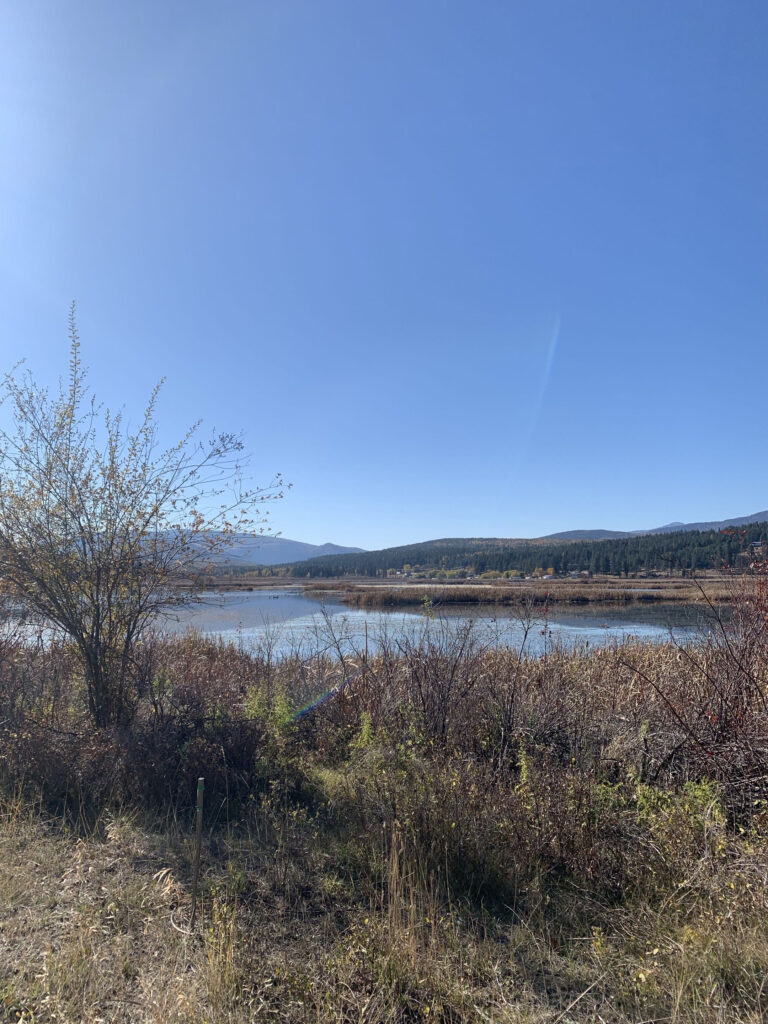
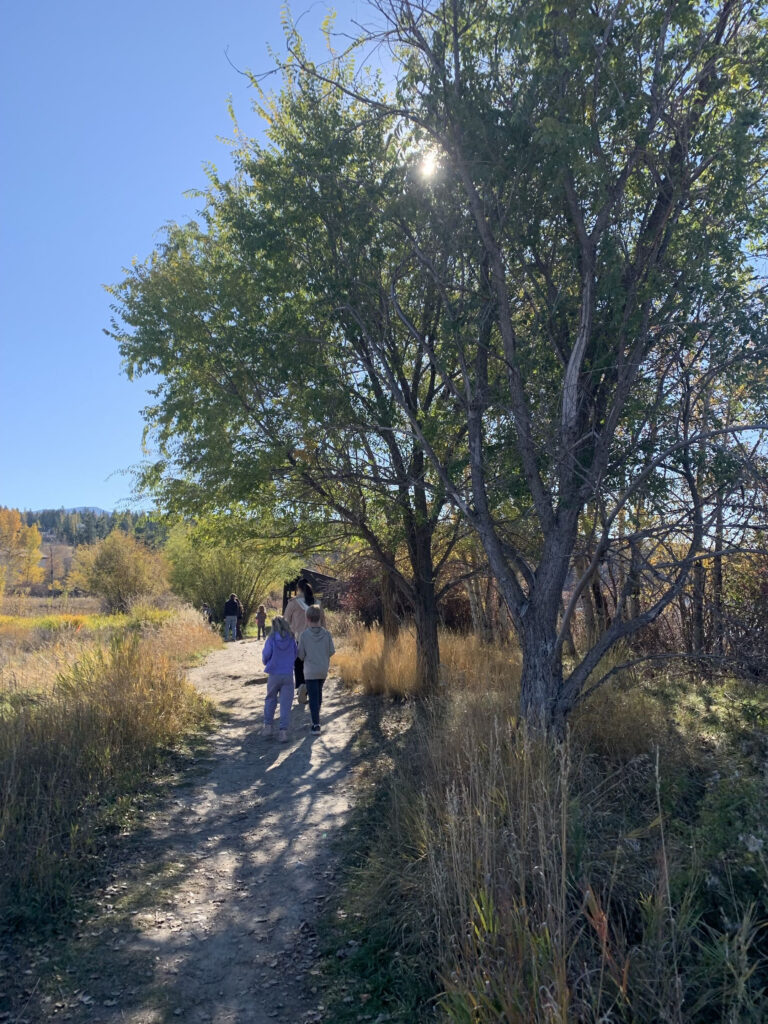
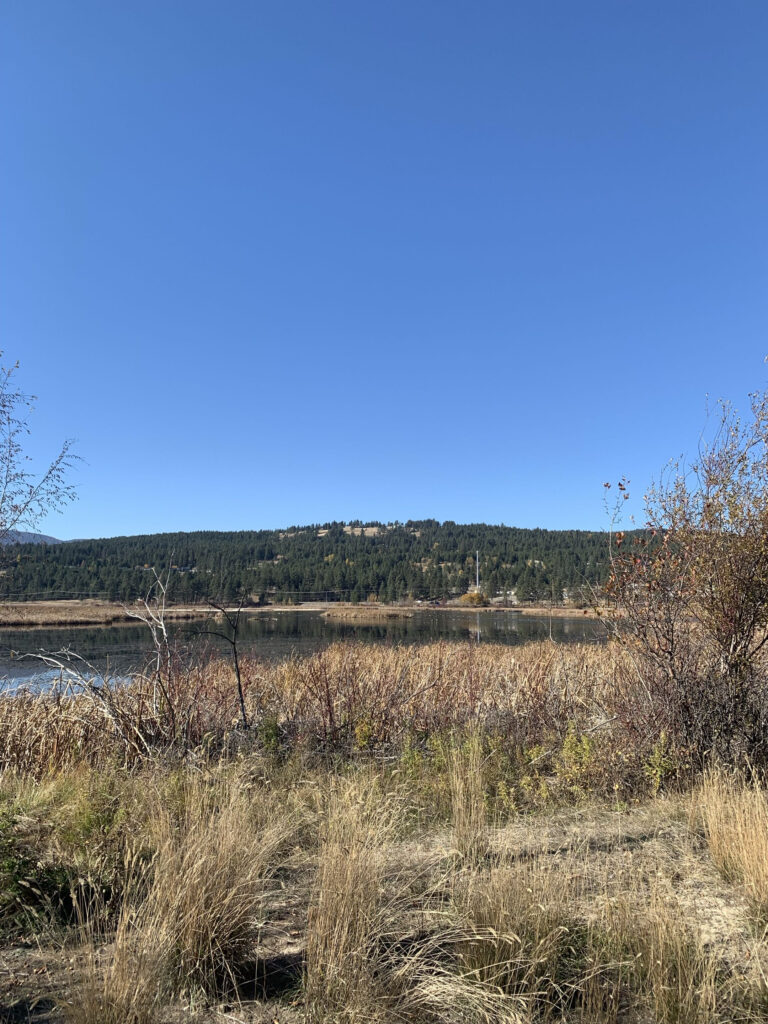
Over the past two weeks, I had the opportunity to participate in two in-situ visits with a Grade 2 class at a local elementary school. During our first visit, we were each paired alongside two students and began by sharing a short slideshow about an animal they might encounter in the surrounding environment. My partner and I chose garter snakes. After our presentations, we walked as a large group down to Elizabeth Lake, where students completed an outdoor scavenger hunt bingo sheet. We searched for things such as falling leaves, animal tracks, waterfowl, deer, puddles, mushrooms, and more. Once we regrouped, we shared our findings before creating an animal that might live in the area using natural materials. My group decided to work together to create one large snake using cattail cotton, leaves, twigs, and rocks.
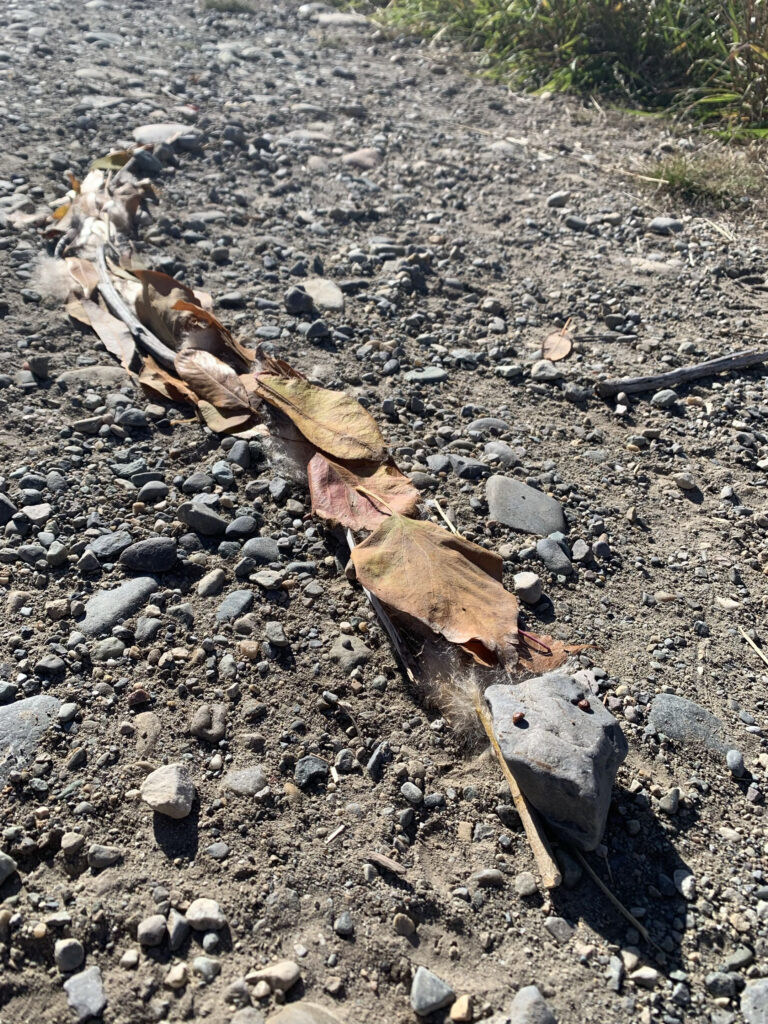
During our second visit, we continued learning about the animals we had created. Our students researched garter snakes using iPads and wrote a short paragraph about them, including their Ktunaxa name, ʔa·knuⱡam̓, which is the general word for snake. They then practised reading their paragraphs aloud and recorded themselves on Seesaw, overlaying their recordings with a picture of the snake we had created during our previous visit. We finished by watching everyone’s recordings together, and I was incredibly impressed with the work the Grade 2 students had completed.
Feelings and Evaluation
I absolutely loved taking the students to Elizabeth Lake! I enjoy outdoor learning and adventures myself, so having the opportunity to share that experience with students was something I really appreciated. The students were great, listened well, respected the boundaries we had established, and were very engaged in the activities. It was wonderful to see them exploring their surroundings, looking for different things on their bingo sheets, and getting excited about what they discovered. I also really enjoyed seeing how we could take that outdoor experience and build on it during our second visit. One moment that particularly stood out to me was working with the student I primarily supported as she practised pronouncing the Ktunaxa word for snake. The pronunciation was quite tricky, but she kept practising and trying her best to get it right. I was very proud of her effort and determination!
Overall, I thought both visits went extremely well. The main challenge I noticed was helping students with the pronunciation of Ktunaxa words. Having learned some Ktunaxa pronunciation in our Indigenous Education class, I was able to support my students and a few others, but I noticed that not everyone was familiar with how to pronounce the words. This made me realize how important it is for teachers to feel prepared when incorporating Indigenous languages into classroom learning. Other than that, I thought the activities were successful, and the students seemed to really enjoy themselves.
Analysis
These experiences reinforced for me just how valuable outdoor learning can be. I have always believed in the importance of getting students outside and have wanted to incorporate as much outdoor learning as possible into my own teaching. The article Outdoor Learning in Elementary Schools: Utilizing the Surrounding Environment to Increase Student Learning Engagement by Cahyanto et al. (2024) connects nicely with this experience. The authors explore how using the surrounding environment as a learning space can increase student engagement and make learning more meaningful. I think this was very evident during our visit to Elizabeth Lake. Rather than simply learning about local animals through pictures or a textbook, students had the opportunity to explore an actual habitat, observe their surroundings, and look for evidence of the animals that might live there. They were actively involved in their learning, and I could see how much they enjoyed the experience.
I also appreciated how the two visits connected different areas of learning. We began with outdoor exploration and observation, moved into creating an animal using natural materials, and then continued with research, writing, Indigenous language, and technology. This showed me that outdoor learning does not need to be limited to Science or nature-based activities. It can be used as a starting point for learning across many different subject areas. The students were able to take something they had experienced outside and use it as the foundation for further learning back in the classroom. I think this is a great example of how outdoor learning can support student engagement while also making connections between different areas of the curriculum.
Conclusion and Action Plan
Although these visits did not change my perspective on outdoor learning, they reinforced my desire to make it a regular part of my future classroom. I think there is so much potential in using the surrounding environment as an extension of the classroom, especially when it comes to encouraging curiosity, exploration, and hands-on learning. I would love to incorporate more nature walks, scavenger hunts, outdoor observations, and opportunities for students to create things using natural materials. Even something as simple as taking a lesson outside to observe seasonal changes, identify local plants, or write about what students see can provide a different and engaging learning experience.
Moving forward, I would also like to be more intentional about connecting outdoor learning to Indigenous knowledge and perspectives, including local Ktunaxa language and connections to the land. This means continuing to build my own knowledge so that I can confidently support students when incorporating Indigenous languages and teachings into activities. Overall, these two visits reminded me that learning does not always need to happen inside four classroom walls. Sometimes, one of the best ways to engage students is simply to take them outside and let them explore!
Cahyanto, B., Majid, D., Badaruddin, S., Dewi, Q. R. T., Oktaviani, E., & Saleh, H. (2024). Outdoor learning in elementary schools: Utilizing the surrounding environment to increase student learning engagement. Jurnal Pemikiran dan Pengembangan Sekolah Dasar, 12(2), 245–258. https://doi.org/10.22219/jp2sd.v12i2.33364
Leave a Reply
You must be logged in to post a comment.