The school district Design Lab is a really cool space with so much amazing technology that I feel it would take many days to fully explore everything it has to offer. Last term in the spring, I had the opportunity to try out virtual reality (VR), so I decided not to revisit it this time as I wanted the Year 2 teacher candidates to have the opportunity to try it out. Instead, I spent my time exploring some of the other tools and technologies available.
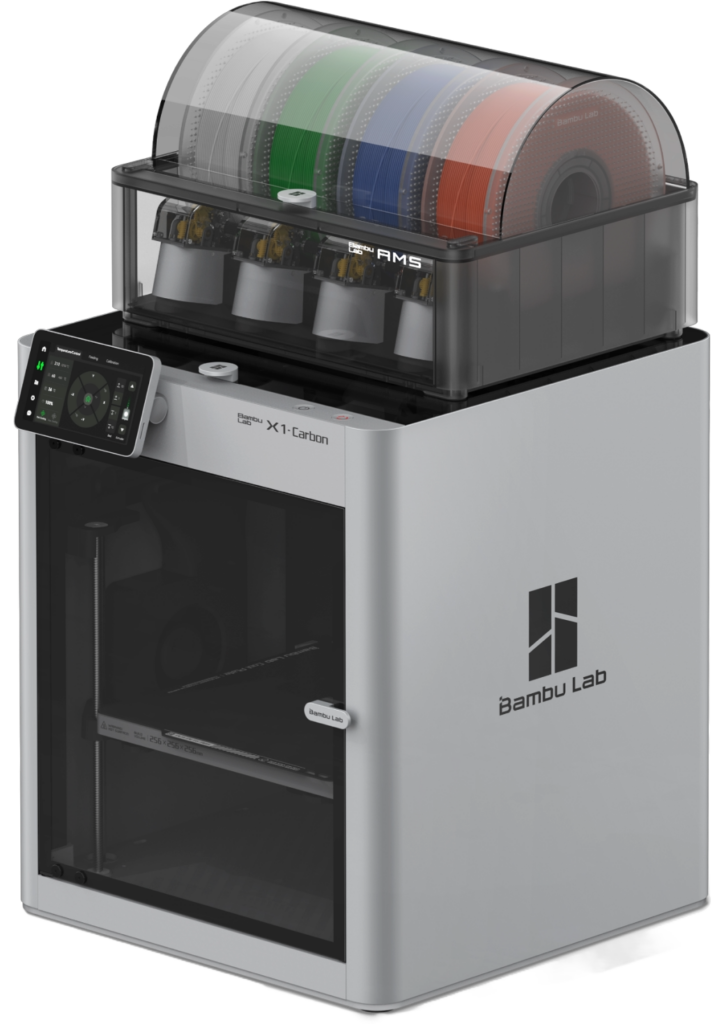
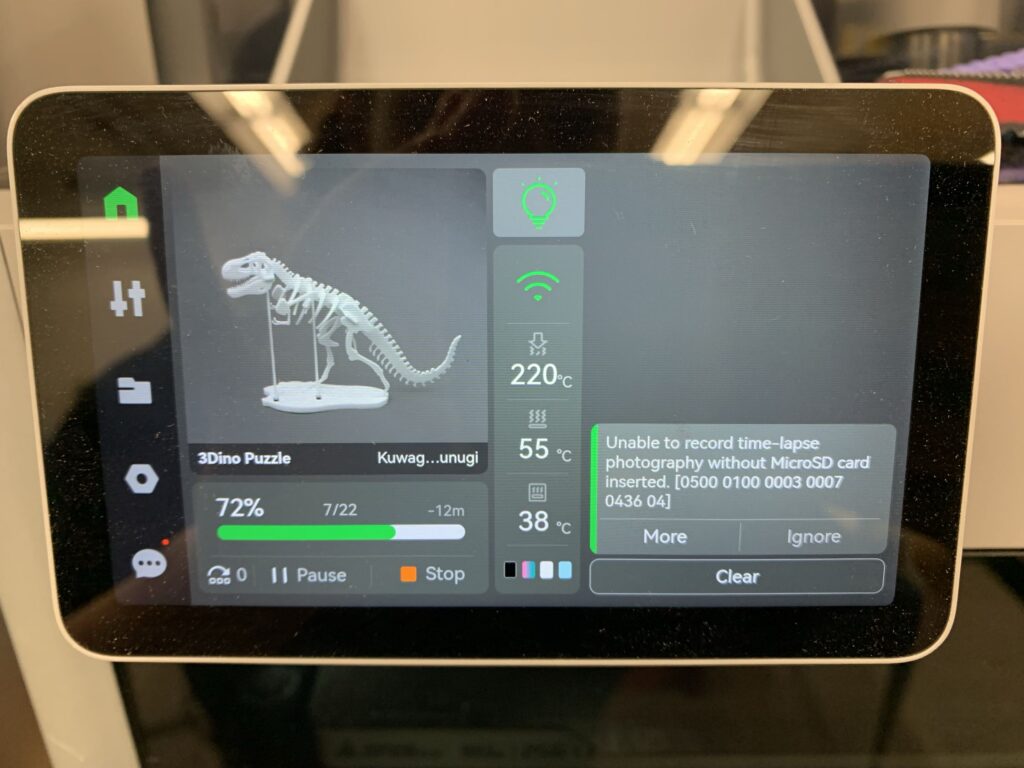
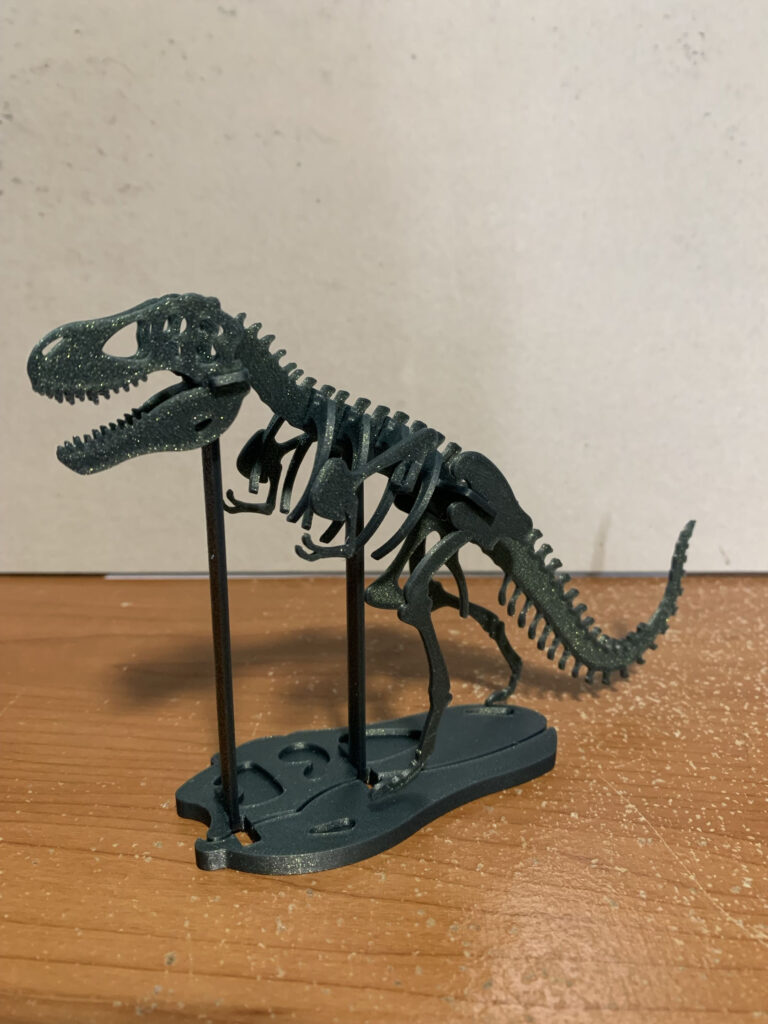
I first made my way over to the 3D printer. I have always wanted to give 3D printing a try, and someday I would love to have one of my own. I selected a pre-loaded design of a T-Rex skeleton (because obviously, it’s me and I love dinosaurs!). Unfortunately, the print would take the entire class period, so I moved on to some of the other activities while it printed.
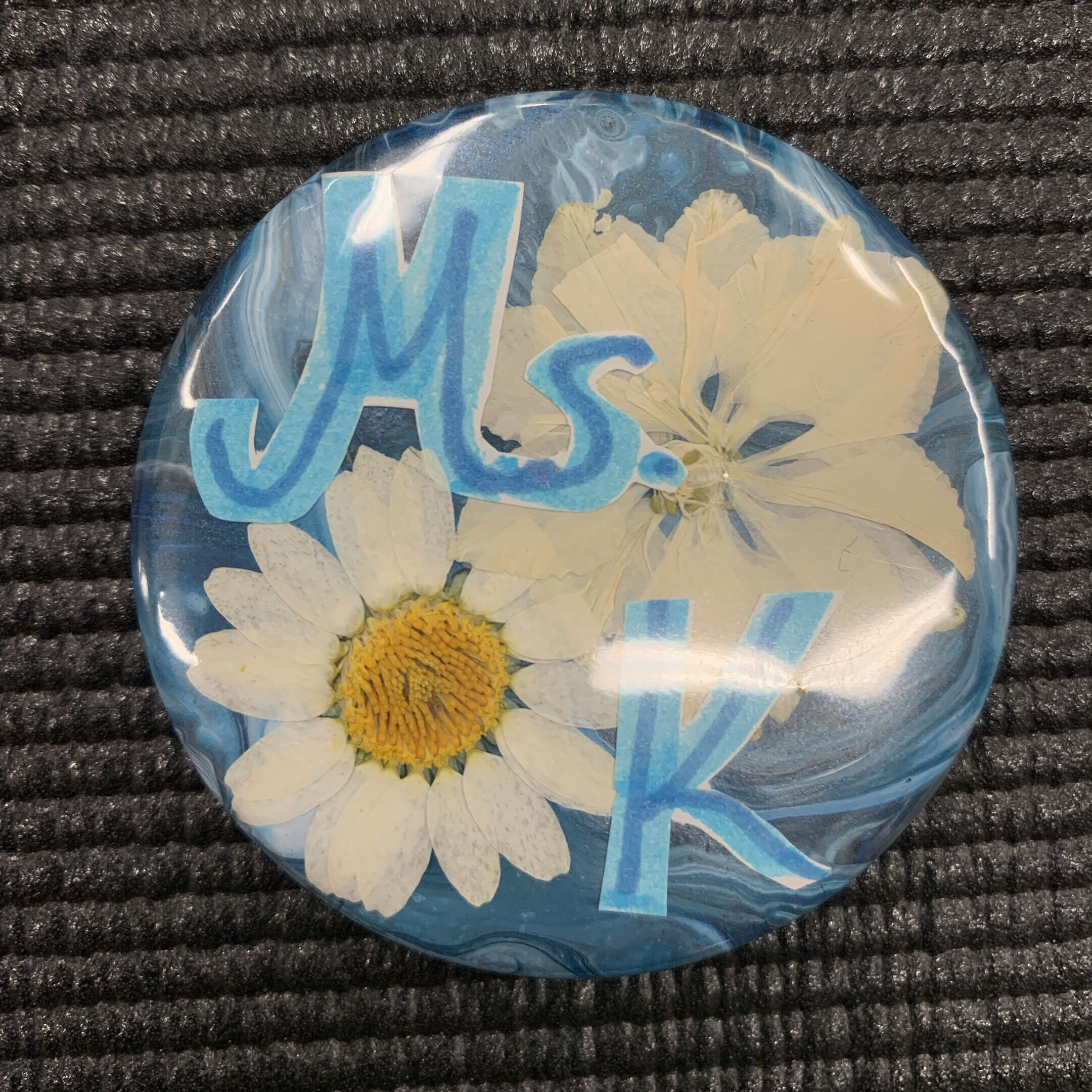
Next, I decided to try making a button. I had some materials left over from a previous attempt with another classmate’s button maker that hadn’t worked out, so I thought I would give them another try. After some trial and error, I was able to make a beautiful personalized button using a dried paint “skin” from a pour painting, some dried flowers, and cut-out letters to create my teacher name.
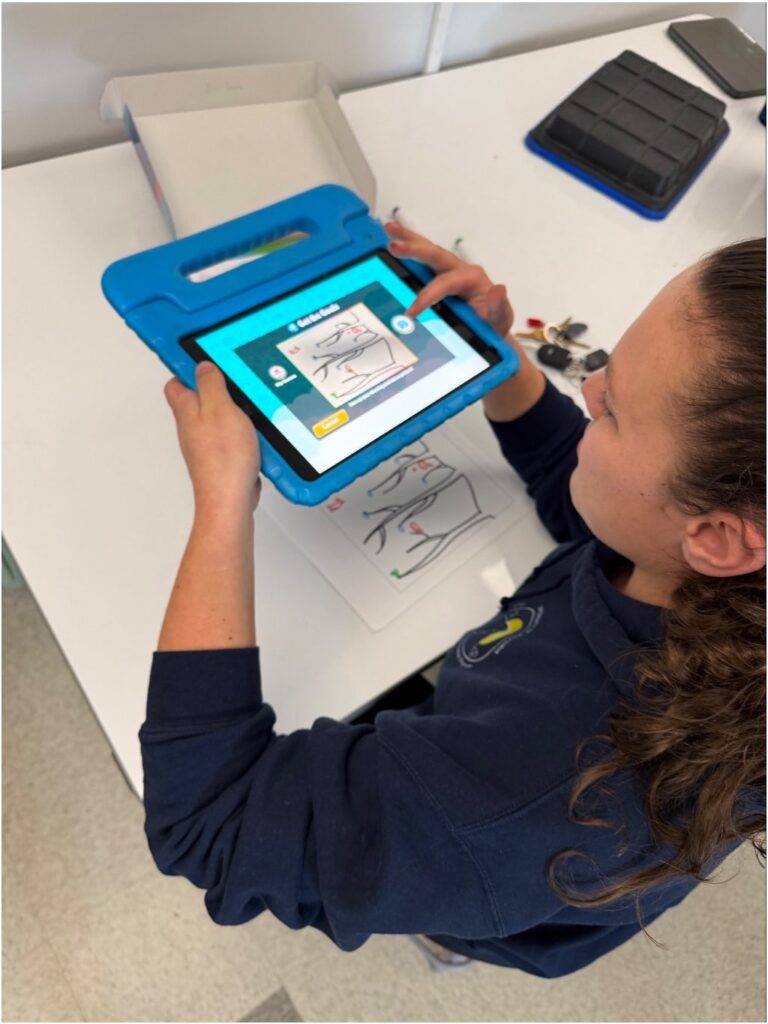
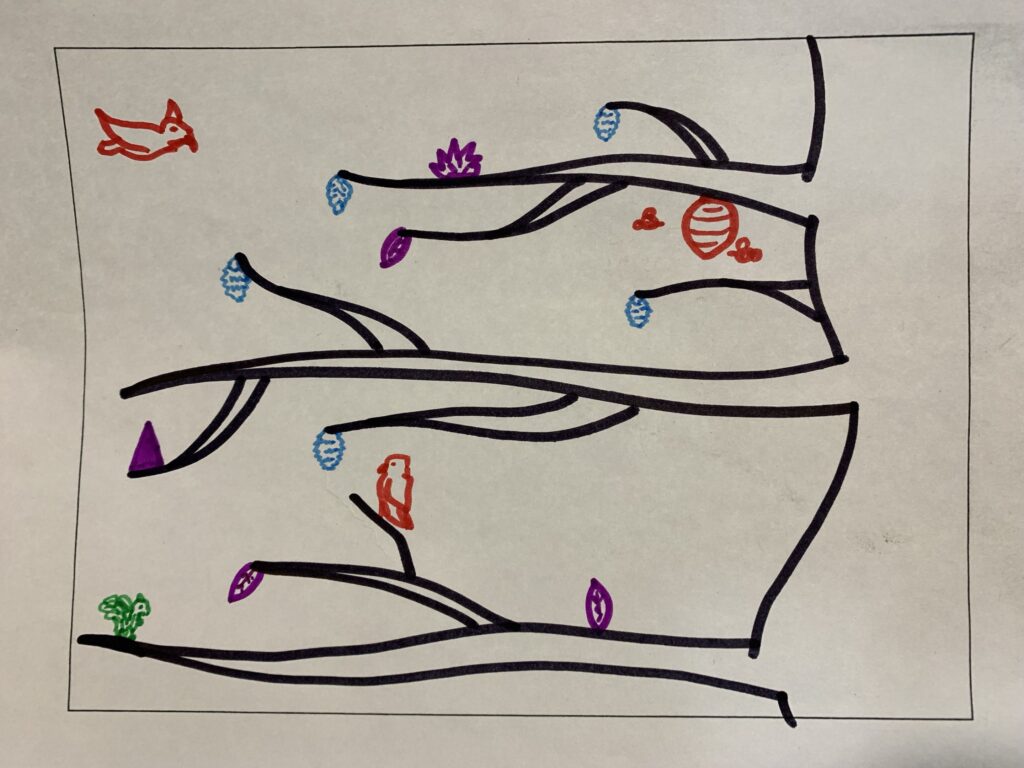
After successfully making my button, I moved on to Pixicade. My instructor specifically pointed this one out to me because she knows I enjoy being creative through drawing as well as playing video games. It was quite fun! I drew tree branches with pinecones to collect, along with a few hazards to avoid, including a couple of hawks and a wasp nest. After some tinkering, I was able to turn my drawing into a simple, playable video game using the app on the iPad!
Next, I had the opportunity to try the 3D pen, something I had heard about a couple of years ago but had never actually used. It was very cool to have a tangible way of drawing and creating 3D objects! I used an available silicone mat to trace the outline of a penguin, thinking of my best friend who loves them. It turned out pretty cute, and I plan on giving it to her sometime.
The final tools I had a chance to play around with were the ChompSaw, which is used to cut cardboard, and the MakeDo tools, which allow you to poke holes and screw pieces of cardboard together. These are really neat tools that make building and creating with cardboard accessible and safe for children (and really any age!). At this point, our time for exploring was coming to a close, so I went back to retrieve my 3D-printed dinosaur skeleton. Overall, I could have easily spent the entire day in the Design Lab!
I believe the Design Lab provides so many opportunities for innovation in education. Having access to these tools allows students to explore ideas and bring their creativity to life in ways that might not otherwise be possible in a traditional classroom. Rather than simply learning about a concept through a textbook or worksheet, students can design, build, experiment, and create something tangible. Whether it is building dioramas, designing figures, creating models, or even developing their own simple video games, there are so many possibilities. I also think these tools provide opportunities for different types of learners to engage with content in ways that suit their interests and strengths. The Design Lab encourages students to experiment, problem-solve, and learn through hands-on experiences, which makes it a really valuable educational resource.
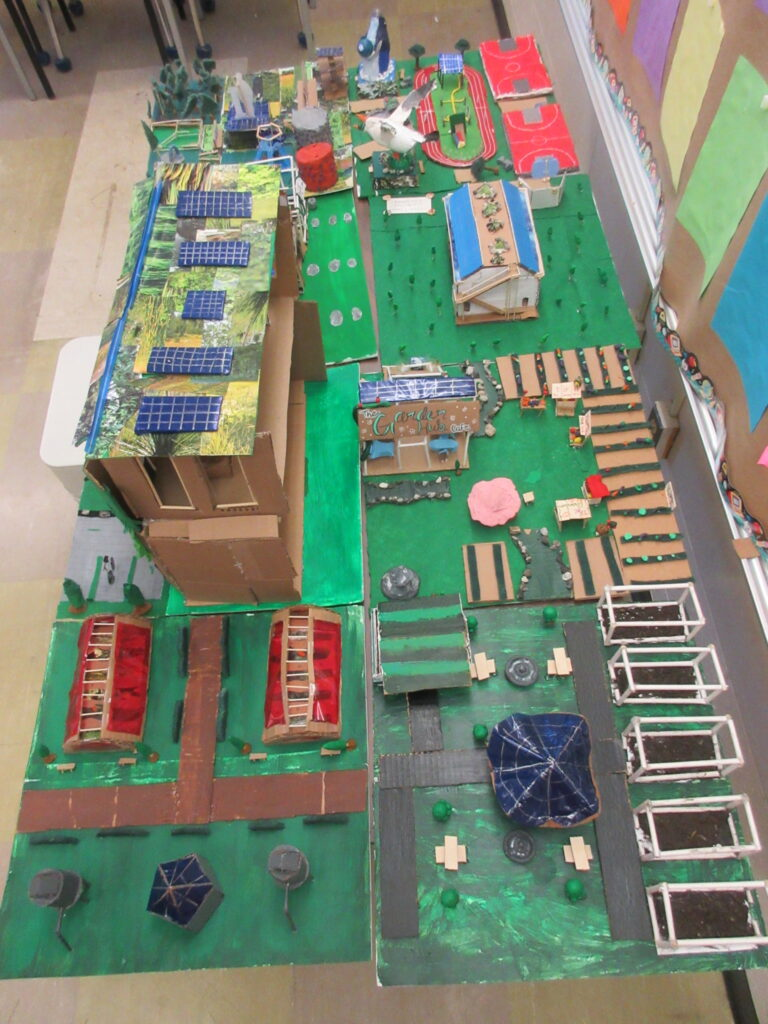
One project that immediately comes to mind is an idea I have been considering for my upcoming Grade 6 practicum class. One part of the Social Studies curriculum focuses on sustainable communities, so I thought, what better way to explore this topic than to have students create their own! Using the 3D printers and 3D pens, along with cardboard cutouts made using the ChompSaw and MakeDo tools, I can envision the class working together to design and build a model of a sustainable, high-functioning community. Students could take responsibility for different components, such as housing, transportation, green spaces, schools, community services, and renewable energy. They would need to consider how each component contributes to the overall functioning and sustainability of their community and how everything connects. This would provide an opportunity to combine Social Studies learning with creativity, collaboration, problem-solving, and technology. It would also give students something physical to showcase at the end of the project that they had worked together to design and build.
Overall, my experience at the Design Lab showed me just how much potential there is for innovation in education when students are given access to the right tools and opportunities. There is so much more I would love to explore, and I can already see ways I could incorporate many of these technologies into future classroom projects. I think the biggest takeaway for me is that these tools can turn learning into something students get to actively create and experience for themselves.

Leave a Reply
You must be logged in to post a comment.