Welcome to my learning portfolio where I tell you a little about me and accumulate experiences and learnings over the course of EDCI 402 and EDCI 336.

Category: EDCI 336 (Page 2 of 2)

This is a category for the EdTech course. Please add this category in addition to the relevant edtech assignment category(ies).

EAL Inquiry Post #2 – Addiction and Substance Abuse

This post will focus on how EAL can be used as a form of treatment and recovery for those struggling with and overcoming addiction and substance abuse. Through the use of Spur Valley Horses and Rae-Lyn, a simple YouTube video, and an academic research article, I will look into how EAL specifically impacts those facing these challenges.

The horses at Spur Valley’s EAL program offer support through presence without judgment and respond to honesty, consistency, patience, and responsibility, which are the same foundations recovery is built upon (Spur Valley Horses, 2026). While individuals work alongside horses through games, simple training, and passive presence, they are able to rebuild trust in themselves as the horse learns to trust them. Healthy boundaries can also be established and maintained between the horse and the individual. Individuals can also rediscover a sense of purpose through the care of the horses, their environment, and what they are able to accomplish during their sessions. By visiting the ranch and committing to the EAL program with Rae-Lyn, individuals can take the first steps toward long-term recovery through its routine, emphasis on accountability, and the connections they are bound to make.

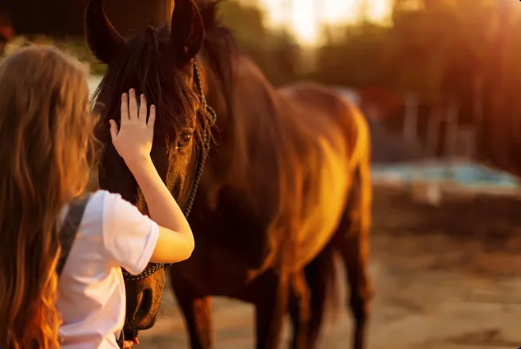
Picture taken by me at Spur Valley Horses – Oct 4th 2026

As put by Cody Regional Health, “horses have a way of helping us all lower walls we’ve built up over time.” This short video provides a glimpse into what EAL may look like for someone struggling with addiction and substance abuse. Michelle Brenner, the case manager of the program, explains that horses offer judgment-free and authentic company for individuals who often face extreme judgment because of their challenges. The horses can mirror emotions and feed off of energy, allowing individuals to see their inner feelings from an external perspective and make these emotions more tangible to work through. According to Adam McClure, an EAL client at Cody Regional Health, this program is a tool that not only offers a one-on-one experience, but can also open up something spiritually within and provide a sense of release. He explains that spending time with these “awesome animals and playing games” has helped him “open up and be more loving” and has lifted a weight off his shoulders that he recognized but didn’t know how to get rid of. Watch the video below!

https://youtu.be/FCz4Lp-6v1s?si=5oij0ibu29SkJi0l

The final source I review is “Equine assisted psychotherapy and learning as an effective complementary form of substance use disorder treatment for college-age young adults in a residential treatment program” by Holtcamp et al. in the “Journal of Equine Veterinary Science.” This study reviewed the efficacy of equine assisted psychotherapy and learning (EAPL) in young adults aged 18–25 years within a residential treatment program. Overall, total scores for emotional safety, equine knowledge, and physical skills showed significant improvement. The results suggest that EAPL can be an “effectual complementary form of SUD therapy for developing an emotional safety environment for learning” (Holtcamp et al., 2023).

Together, these sources demonstrate how EAL can provide a unique form of support for individuals working through addiction and substance abuse. While it should not replace traditional treatment, EAL can complement existing approaches by providing opportunities to build trust, develop healthy boundaries, practice responsibility, and reconnect with a sense of purpose. What stood out to me most was the way horses can provide a form of connection without the judgment that individuals struggling with addiction may be accustomed to experiencing. Whether through caring for a horse, learning to communicate with it, or simply spending time in its presence, EAL creates opportunities for individuals to work through emotions and challenges in a different way. The research also provides support for these experiences, showing that the benefits of EAL extend beyond personal stories and can contribute to measurable improvements in emotional safety and learning. Overall, EAL appears to be a meaningful complementary tool that can help individuals take steps toward recovery while developing skills and connections that can support them beyond the ranch.
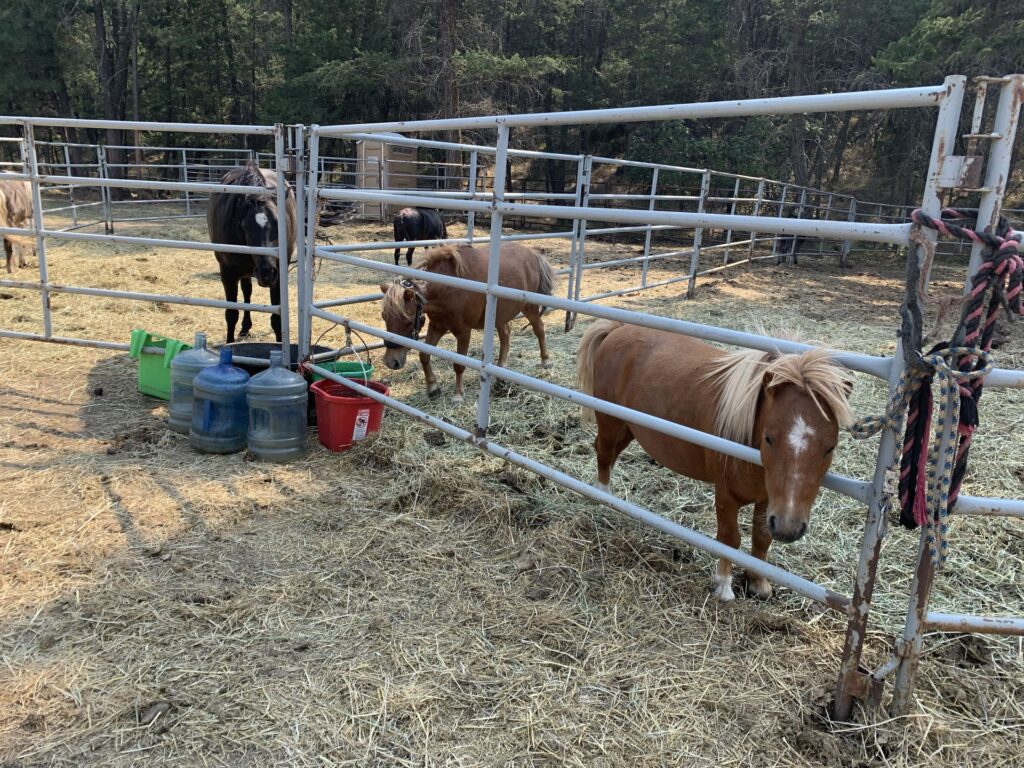
Picture by me featuring Pickles (left), Chicken Nugget (middle), and Hot Dog (right) at Spur Valley

EAL Inquiry Post #1 – What is Equine Assisted Learning?

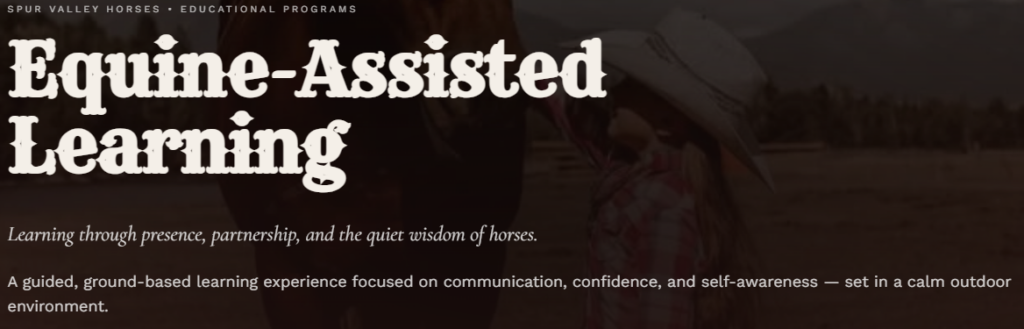
Equine Assisted Learning (EAL), as put by Spur Valley Horses, is “a guided, ground-based learning experience focused on communication, confidence, and self-awareness,” which is particularly helpful for supporting people of any age who have experienced or are going through trauma, mental health disorders and dysregulation, and more. EAL Canada offers certification for establishments to follow their set of principles and standards in order to provide authentic EAL programs. EAL is particularly interesting to me as I have always found a deep sense of peace and fulfillment while working with many animals, especially horses. As I have began working with horses more throughout the last 2 years, I found EAL particularly interesting when I began volunteering with Spur Valley Horses in June 2026.

Screenshot taken from https://spurvalleyhorses.ca/eal/#eal-details

To better understand the scope of EAL, I have embedded a YouTube link below by Alma Vida Horse Ranch. Equine Assisted Learning is different from Equine Assisted Therapy (EAT), which is gone over in this video. I appreciate how in-depth the speaker goes into EAL while keeping it very personable.

Relevant part of video up until 15:00. Video by Alma Vida Horse Ranch

Through this inquiry project, I intend to embrace my connection with Rae-Lyn Pighin at Spur Valley Ranch to better understand EAL and its benefits. I hope to learn as much as I can through this inquiry project, the resources I discover, and the horses I will meet.

Now that we know more about what EAL is, I will take the time to dedicate the next five upcoming posts to an area of help covered within this practice. The following posts will cover the following areas of help:
– Addiction and Substance Abuse
– Autism and ADHD
– Anxiety and Depression
– Trauma and Grief
– Confidence and Identity

Thank you for taking the time to follow along and learn with me. I hope these posts will be a fun way of displaying the scope of EAL and I am so excited to dive into this practice. I really believe we can heal and learn so much from horses and other animals.

Weekly Reflection #1 – Digital Citizenship

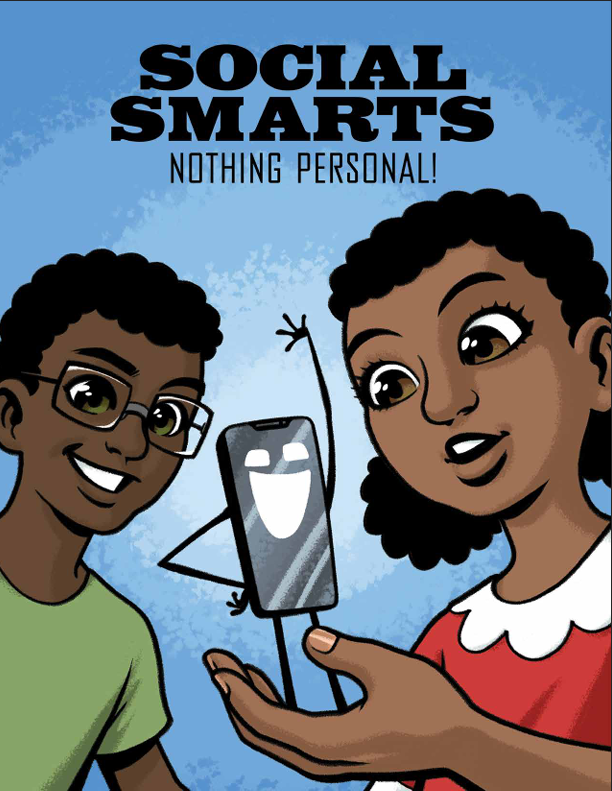
Digital citizenship is a topic that has been very important to me as an avid online gamer, social media consumer, and general technology user. I believe I was lucky enough to be raised at the perfect time (born 1999) when technology wasn’t as easily accessed or nearly as dangerous as it is currently but raised alongside it to keep up to date. I want to use this opportunity to reflect on the graphic shared in class, “Social Smarts: Nothing Personal!“ in relation to my upbringing and current use and understanding of my digital identity.

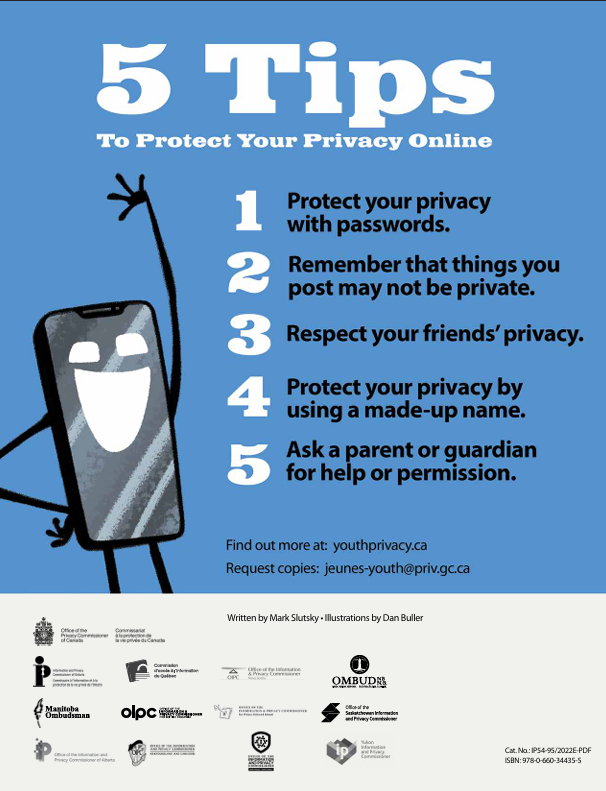
In this graphic, we follow a short story of Olive, who recently got her older brother’s old phone and learns the consequences of her actions through various uses of different digital platforms. There are significant learning moments (emphasized through the excitable phone character) such as how much information is still out there even after deletion, when and where to use your real name or a digital alias, how meaning of posts and texts can be misconstrued, and the use of (digital) cookies.

After reading through this for the first time, I immediately reflected on the experience of my very first phone I got in Grade 5, when I started walking to school by myself. It was an old Blackberry flip phone that had been my Dad’s old work phone. It really only had the features of texting, calling, and taking photos. Even with those few functions, it came with a lot of responsibility on who I can contact (only my family’s contacts were saved) and its purpose of being used as a tool for safety. I couldn’t imagine how many further precautions parents have to make nowadays with new iPhones and the endless amounts of apps and platforms their children can access. It’s really scary to think of.

Thankfully, my Mom has always been especially informed and cautious when it came to the use of the internet and digital platforms. She was strict on how I used the internet and taught me valuable skills such as being able to better recognize scams and fraudulent material, protecting personal information and passwords, and always asking for help anytime I felt unsure. Fast forward to today, and I am now fairly confident in my own use of the internet as I am confident in knowing when and where to use personal information (such as Amazon) and where to make up fake aliases (such as Discord and gaming platforms). Although I am always very careful, people with malicious intentions are always out there and thankfully, many websites and platforms have incorporated additional security features to better protect your information.

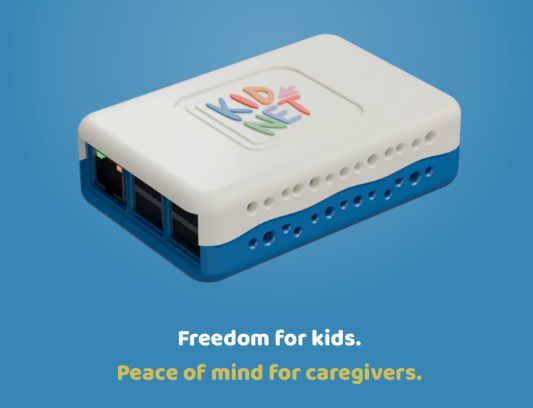
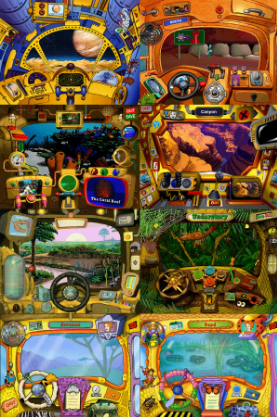
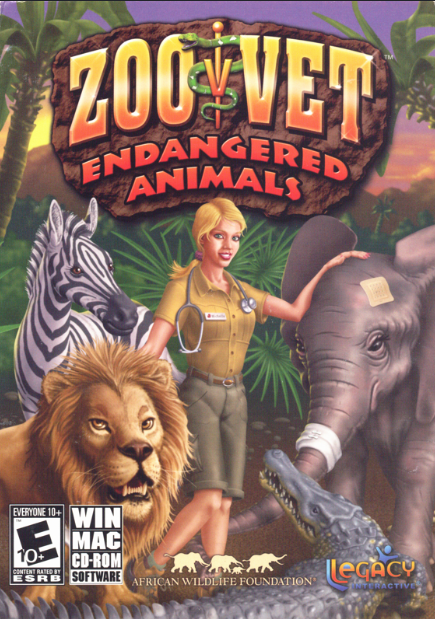
I hope to be able to share my knowledge with future students and my own future kids to better protect them as they inevitably gain more and more access to the internet. I have even started hearing about new devices and platforms specifically created for kids to have more secure access to safe games, streaming services, and information. Some examples include “Kidnet“, “Tin Can“ phone, and bringing back the use of safe and educational PC and console games like “Zoo Tycoon,” “Zoo Vet,” and “The Magic School Bus Activity Centers.”

Newer posts »