
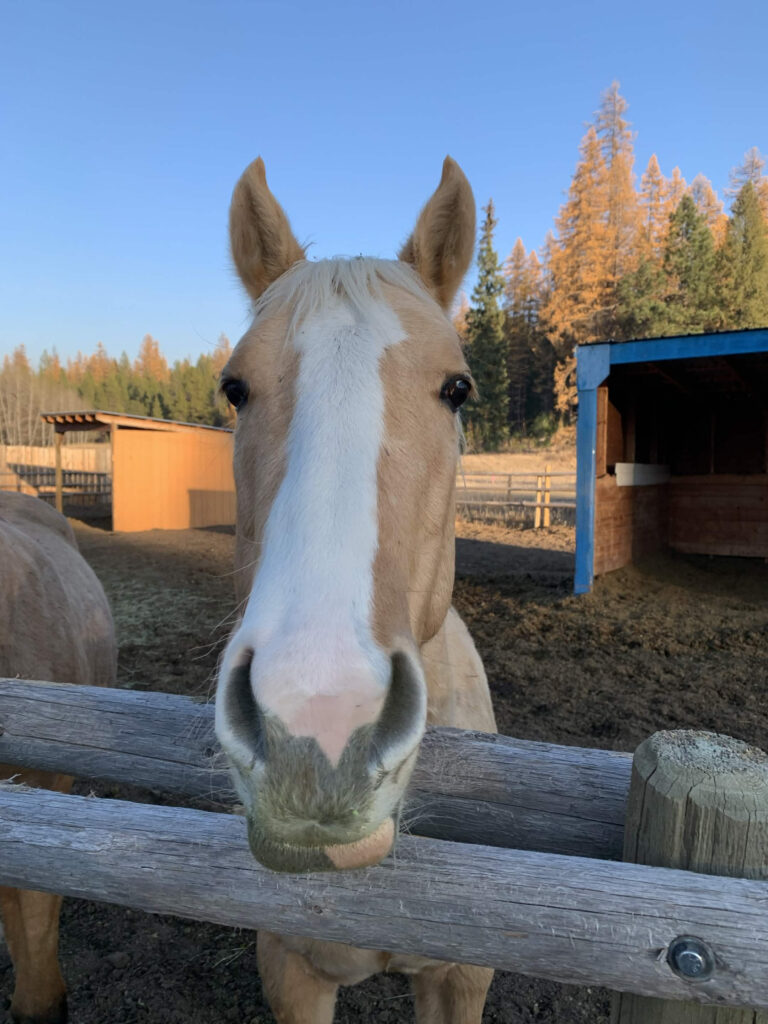
Equine Assisted Learning (EAL) can also help heal people experiencing anxiety and depression, alongside other mental health challenges. I will be looking at different resources to explore how EAL and other equine experiences can help these individuals. This includes an academic resource, a post by WellPower, and a YouTube video from EAQNetwork. I hope to learn more about horses and their ability to support mental health.
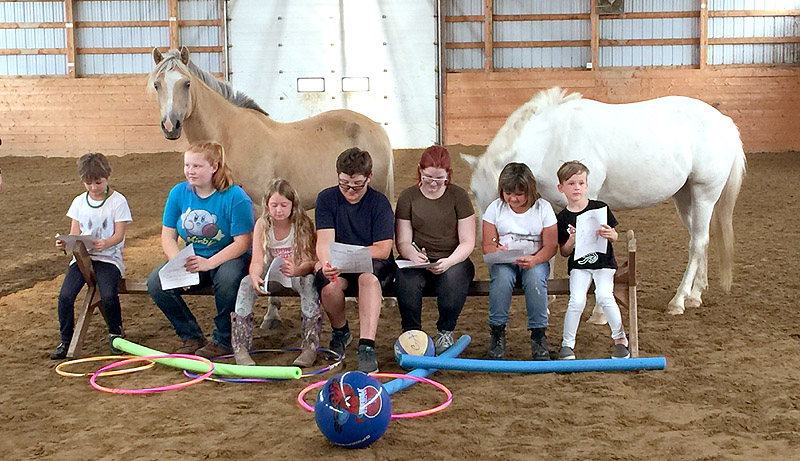
As previously discussed, horses bring a unique element to learning and healing due to their heightened senses and awareness of energy and non-verbal cues. They are incredibly aware of our energy, as they can hear our heartbeat and can even match it with their own. According to Not Just Horsing Around: The Impact of Equine-Assisted Learning on Levels of Hope and Depression in At-Risk Adolescents by Frederick et al. (2015), “Even a brief (5-week) intervention of EAL had a positive impact on the lives and attitudes of at-risk adolescents, with increased levels of hope and decreased levels of depression.” I find this particularly interesting, as it shows how horses can invoke a sense of hope and create such meaningful changes in a relatively short amount of time. Further research discussed in this article identifies an array of potential psychotherapeutic benefits associated with horses, including “self-confidence, self-concept, communication, trust, perspective, anxiety reduction, decreased isolation, self-acceptance, impulse modulation, assertiveness, boundaries, creative freedom, and spiritual growth (Marx and Cumella 2003; Ewing et al. 2007; Trotter et al. 2008; Bass et al. 2009)” (Frederick et al., 2015). Looking at this range of benefits, it’s no surprise that EAL can support individuals experiencing anxiety, depression, and other mental health challenges.
I’m especially intrigued by the emphasis on hope and its connection to depression. I wouldn’t have necessarily recognized hope as a positive effect of spending time with horses, but looking back on my own experiences, I can’t remember a time when being around horses didn’t give me a more positive outlook. Another point I appreciate from a future teacher’s perspective is the article’s emphasis on affordability, stating, “In a time of budget cuts, it is especially important for schools and mental health providers to address the emotional needs of adolescents in the most frugal yet effective way possible” (Frederick et al., 2015). This goes to show that EAL can be not only an alternative, but a valuable strategy for supporting individuals experiencing anxiety and depression.
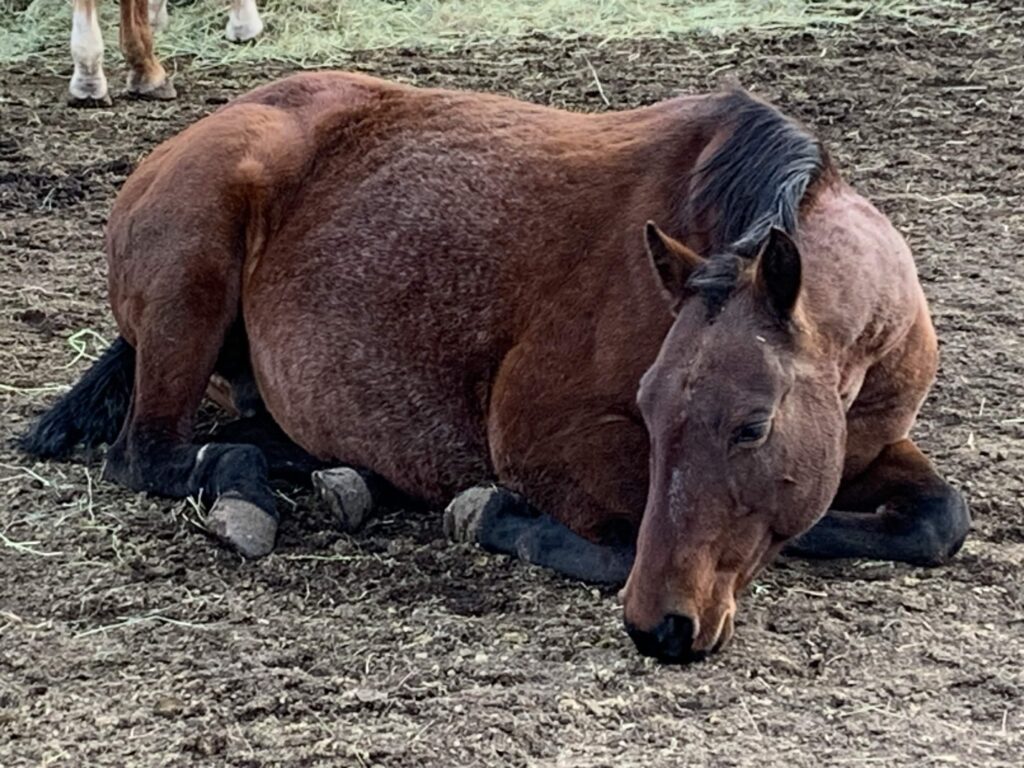
From WellPower, I explored the overall healing power of horses for a closer look at some of the physiological processes involved. One of the first things to stand out to me was the potential role of electromagnetic energy emissions in both humans and horses. According to WellPower (2023), the electromagnetic range can have a soothing effect on individuals, contributing to the therapeutic benefits of equine-assisted programs. These interactions may help reduce our heart rate, blood pressure, and cortisol (stress) levels, while increasing “feel-good endorphins.” Participants also practised a breathing exercise with the horses, which “involves the participant placing their hand on the horse’s chest, near the heart and engaging in synchronized breathing” (WellPower, 2023). These physiological practices and findings are particularly important to my inquiry journey, as I always want to delve further into the mechanics behind what makes these profound changes possible. It’s incredible how even a horse’s presence can have such an impact on us.
Finally, I watched a video from EAQNetwork on YouTube sharing the experience of Nicky’s daughter, Jasmine, who struggled with severe anxiety that eventually led her to drop out of school. Initially, Jasmine was extremely nervous and withdrawn, sticking close to Nicky. However, by the end of the day, she was off with a facility member and felt confident enough to spend time looking at the horses. Nicky believes that being outside with the horses offers Jasmine a sense of freedom and relaxation, where “it’s just her and the horses” (Nicky via EAQNetwork, 2017). Nicky explains that Jasmine feels less pressured because she doesn’t need to conform to the expectations set at school. Instead, she can find comfort in the horses and develop her own bond with them. This experience has had a huge impact on Jasmine and her family. Although she is no longer attending traditional school, she now attends EAQ Manor Farm for outdoor learning.
Looking at the different perspectives on this topic has given me a clearer understanding of the impact horses can have on us in general, but also on those of us experiencing anxiety and depression. The energy, confidence, hope, and calm that horses can offer contribute to so many benefits throughout the healing journey. I’m especially intrigued by how horses can even impact us physiologically, potentially affecting our heart rate, blood pressure, cortisol, and endorphins. It leads me to wonder how we might incorporate more EAL opportunities and make them accessible to anyone who needs that additional support.
Unfortunately, this is only solidifying my dream of owning horses. Maybe I can write them off as emotional and well-being support animals..?
Frederick, K.E., Ivey Hatz, J. & Lanning, B. Not Just Horsing Around: The Impact of Equine-Assisted Learning on Levels of Hope and Depression in At-Risk Adolescents. Community Ment Health J 51, 809–817 (2015). https://doi.org/10.1007/s10597-015-9836-x
Leave a Reply
You must be logged in to post a comment.