Content warning: Topics of grief, trauma, and suicide
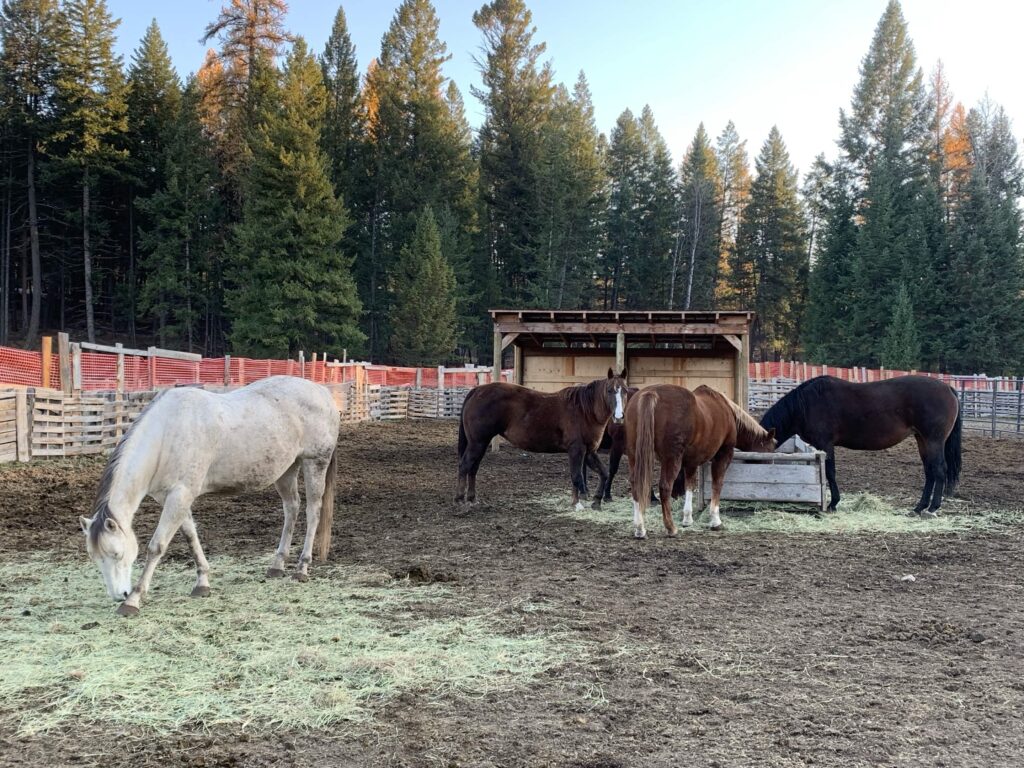
Grief and trauma are prevalent factors for individuals seeking help. This post will focus on the healing horses can provide from those facing these challenges and how just their presence can be enough. I have found two YouTube videos, one a personal story, and another looking into a horse program which offers services to help those experiencing grief, trauma, and so much more. In addition, I have found a short article on EAL and helping navigate grief and research journal article looking at EAL for children overcoming trauma. I believe these resources will offer a clear view into the power of healing through EAL and horses.
This video explores the story of a mother who lost her daughter to suicide. She was recommended to seek help through horses and came across one horse named Rebel. There were many times Rebel would move away when she approached him, seeming to avoid her touch. It reminded her of the physical and emotional distance from her daughter then and while she was still alive. However on one particularly difficult day, she was on the ground, sobbing, and he came over to standing above her, even pressing his head into her side until she settled. It seems he understood in that moment she needed connection and she says that was the first time she felt peace in years. She felt Rebel saw her and forgave her, connecting it to her daughter’s forgiveness. It helped her release the anger and pain she had been holding on to for so long. I found this personal story very emotional, and I was able to paint a vivid picture in my mind, understanding how this had impacted her. I find inspiration in this kind of story where something so simple from a horse can mean so much to someone struggling. It really makes me think horses have a keen understanding of their influence over us.
This video looks at the work of Ebony Horsewomen, an urban riding centre in Hartford, Connecticut, which uses horses to support individuals experiencing trauma, anxiety, and depression, particularly within urban and Black, Indigenous, and People of Color (BIPOC) communities. One thing I found particularly interesting is how horses are described as “natural soothers” due to their sensitivity to human emotions and energy. Through activities such as grooming, walking, and simply spending time with horses, individuals can experience relaxation, develop emotional regulation, and begin building trust. The horses also act as a bridge between clients and therapists, making it easier for individuals who may be withdrawn or anxious to engage in the therapeutic process. Although this video focuses on equine-assisted psychotherapy rather than EAL, I still think it offers some really valuable information and real-life examples of how horses can support individuals working through trauma and other mental health challenges. I particularly appreciate seeing how these practices are being used in an actual community setting and the accessibility they can provide to people who may otherwise struggle to access support.
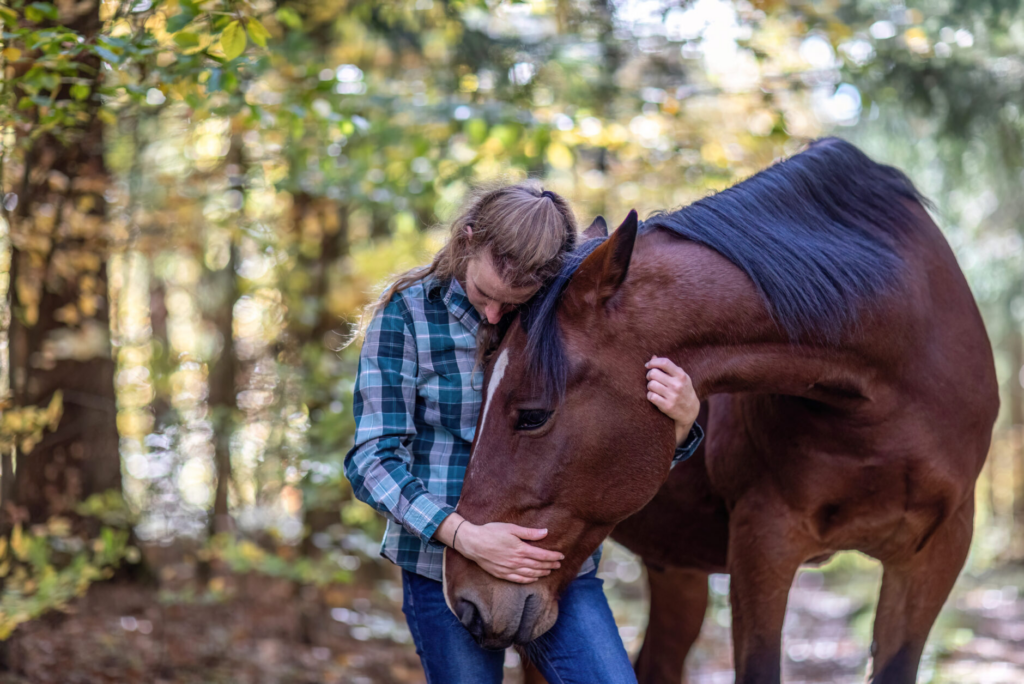
Mindset: Navigating Grief and Loss with the Help of Horses by Laurie Higgins-Kerley on Brick&Elm is an article looking at how horses help in the navigation of grief and loss. It explores how horses can offer support by providing companionship, connection, and a non-judgmental presence. I think one of the most meaningful takeaways is how horses allow people to experience connection without needing to communicate verbally or explain their emotions, people can just feel what they’re feeling without being alone. Activities such as grooming, leading, and simply spending time with horses can provide opportunities for grounding, reflection, and rebuilding trust. This is particularly meaningful when considering how grief can make it difficult to connect with others or process emotions. I wish I had had this opportunity at the time of my family dog’s passing earlier this year. We had gotten him when I was 15 and his sudden death was extremely difficult for us. I was alone as my fiancé was away for work and even with the company of my two dogs, the especially calming presence of horses would have helped.
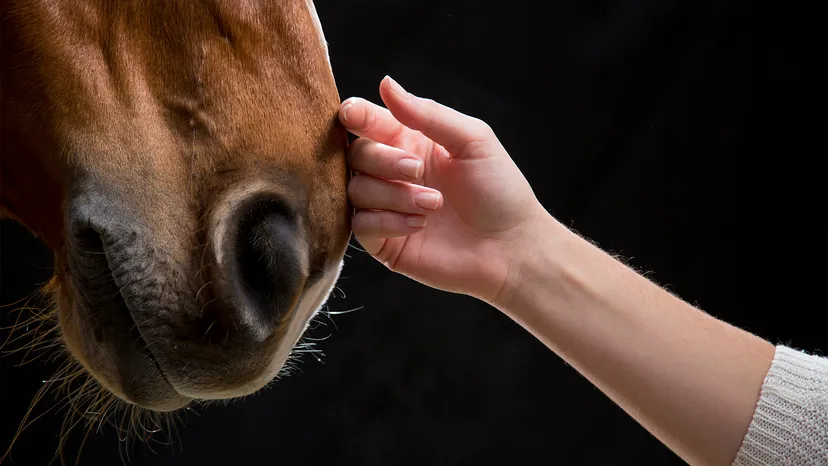
Equine-Assisted Learning for Children with Trauma and their Caregivers by Hopson et al. explores a seven-week EAL program called Resilience Reins, designed to support children who have experienced trauma. The program focuses on developing emotional regulation, communication, and self-efficacy through unmounted activities with horses. I find the focus on emotional regulation particularly interesting, as trauma can affect how children recognize, process, and respond to their emotions. Working with horses provides opportunities to practice communication, build confidence, and develop relationships in an environment that offers different experiences than traditional therapeutic or classroom settings.
Another important aspect of this study is that it recognizes the impact trauma can have on the entire family, not just the child. While children participated in Resilience Reins, their caregivers were invited to take part in a six-week Parent Café program focused on building social support, parenting knowledge, and protective factors. The findings showed significant improvements in family functioning and parenting knowledge, alongside improvements in children’s emotional problems, conduct, and hyperactivity. I particularly appreciate this approach because it recognizes how important a supportive home environment can be when helping children navigate difficult experiences. It also makes me realize how the benefits of EAL extend beyond just the time spent with horses, influencing how participants communicate and support one another in their everyday lives (Hopson et al., 2025).
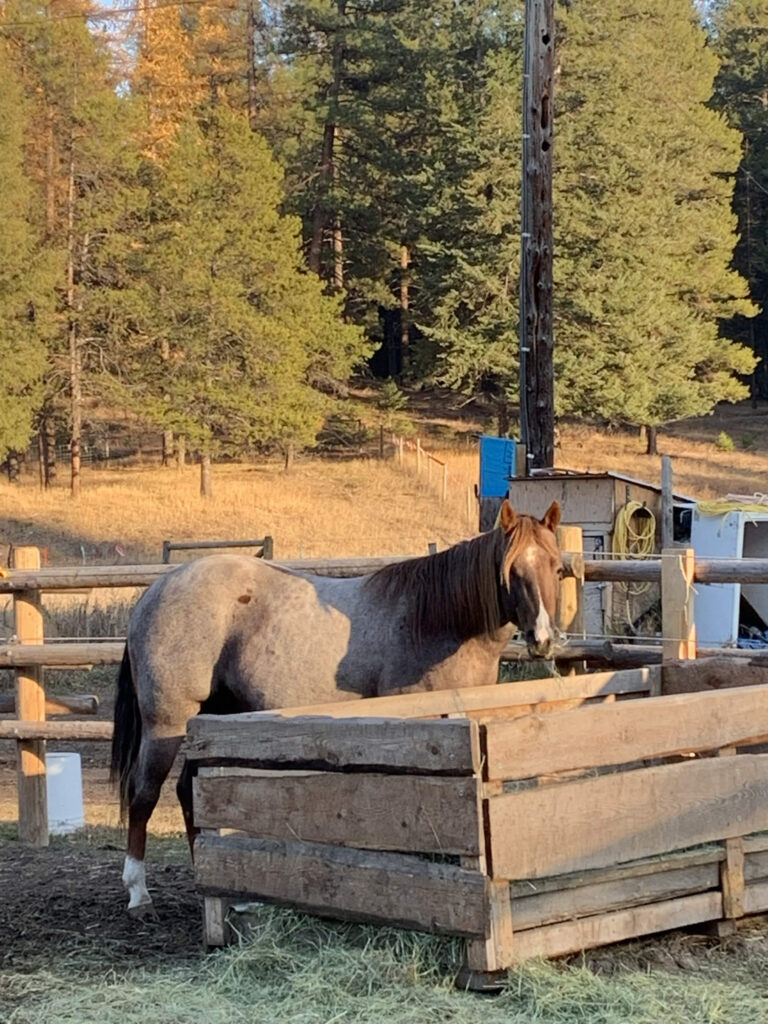
Looking at these resources has given me a much deeper appreciation for the role horses can play in helping individuals navigate some of life’s most difficult experiences. Whether it is grief, trauma, or the challenges that come with rebuilding trust and emotional connections, horses seem to offer something unique through their presence alone. I’m particularly interested in how they can provide a sense of safety and connection without the need for verbal communication, as well as how EAL can help develop emotional regulation and strengthen relationships beyond the individual. I also appreciate seeing how these approaches can support not only children but their families and wider communities. It makes me wonder how many people could benefit from having access to these opportunities, especially those who may struggle with more traditional forms of support. Once again, I’m left thinking about just how incredible the connection between humans and horses can be, and how much healing can come from something as simple as spending time together.
Leave a Reply
You must be logged in to post a comment.